

What Benefits Can You Get From a Lavender Essential Oil Bath?
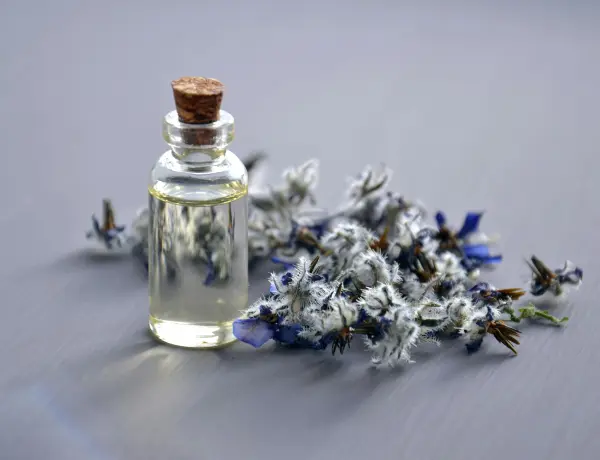
A lavender-infused bath works its magic through three simple natural routes: warm bathwater opens up your skin pores, you breathe in the aromatic scent with rising steam, and the oil seeps straight into your skin. Its core active ingredients, linalool and linalyl acetate, enter your nervous system via your sense of smell and travel into your bloodstream through your skin. This dual absorption lets your body and mind relax at the same time, making lavender baths a staple pick in modern aromatherapy all around the world.
I. Boost Nervous System Health:
1. Calm Anxiety and Release Mental & Physical Stress
Lavender’s fragrance travels from your nose along olfactory nerves right to your brain’s limbic system. It adjusts GABA calming receptors and brings down cortisol, the body’s primary stress hormone, quickly soothing overworked, hyperactive nerves. If you’re stuck under long-term stress, struggling with sleep loss, swamped by work pressure, or often snap out of irritation and anger, a quick 15-minute lavender bath loosens tight muscles and relieves issues like heart palpitations, restless feelings and unexplained mental unease.From clinical trial data: People who took nightly lavender baths for two full weeks saw their average daily cortisol levels drop by 12%, while anxiety test scores fell 18%.Best suited for: Students with exam stress, burnt-out office workers, women going through mood swings during menopause, anyone prone to overthinking and nervous exhaustion.
2. Upgrade Sleep Quality & Relieve Multiple Forms of Insomnia
Linalyl acetate helps you spend more time in deep, restorative slow-wave sleep and cuts the time you need to fall asleep by roughly 20%. It also reduces midnight wake-ups and vivid, disruptive dreams. After stepping out of a warm bath, your body temperature naturally drops; paired with lavender’s calming properties, your brain gradually builds a routine link: taking a bath means getting ready to fall asleep.This bathing routine helps fix trouble falling asleep, shallow rest, sleep schedule damage from late nights, mild postpartum sleep struggles and menopause hot flash-related insomnia. Healthy people who soak an hour before bed consistently notice around a 15% improvement in overall sleep quality.
3. Soothe Nerve-Related Headaches, Migraines and Stress-Tied Neck & Shoulder Aches
Lots of tension headaches pop up from stiff neck and shoulder muscles, while sleeplessness often triggers stress migraines. Warm bathwater widens your blood vessels, and lavender’s natural anti-inflammatory, pain-relieving compounds calm strained cranial nerves, easing throbbing, dull pressure and head discomfort. It’s a gentle natural fix for mild migraines and helps you rely less on over-the-counter pain pills.
II. Improve Skin Health: Fight Bacteria, Reduce Inflammation
Lavender improves your skin in four major ways: it kills unwanted bacteria, lowers inflammation, fights free radicals with antioxidants and balances excess skin oil. Its pH level sits between 5.6 and 5.9, matching your skin’s natural slightly acidic layer perfectly, so even sensitive complexions can use it safely.
1. Calm Skin Redness, Itchiness, Sensitivity and Mild Skin Inflammation
Lavender blocks inflammatory markers including TNF-α and interleukins, stabilizes skin mast cells and limits histamine release—the main culprit behind itchy, irritated skin. It eases seasonal allergic reactions, dry itchy skin, eczema, seborrheic dermatitis and inflamed bug bites. A quick post-sun soak rapidly cools sunburn redness and irritation while limiting skin damage caused by UV-triggered free radicals.Ideal users: Dry sensitive skin types, people recovering from steroid-dependent skin troubles, those dealing with recurring seasonal itch or frequent mild eczema flare-ups.
2. Cut Excess Oil, Clear Breakouts & Prevent Body Acne and Folliculitis
It actively targets acne-causing Propionibacterium acnes, staph bacteria and candida yeast. When you bathe with it, it unclogs chest and back pores, dissolves surplus skin oil and improves closed bumps, inflamed pimples, malassezia folliculitis and heat rash. Regular use keeps breakouts from coming back often and gradually fades leftover red acne marks and old scarring.
3. Soften Dead Skin, Lock in Moisture & Fix Rough, Bumpy Chicken Skin
Warm bathwater opens gaps in your outer skin’s keratin layer, and lavender’s natural plant oils repair your protective outer skin barrier to trap moisture and speed up dead skin shedding. This noticeably smooths rough patches, keratosis pilaris bumps, flaky or cracked skin on arms and legs. Once you finish your bath, a thin naturally moisturized layer covers your skin, so you won’t have to slather on lotion right away and your skin stays soft without tight dryness. Stick with it long-term, and your skin tone will look brighter and more even.
4. Speed Up Healing for Minor Surface Wounds
For small scrapes, shallow abrasions or minor mild burns in recovery, linalool encourages skin cell growth to form scabs and close wounds faster. It also stops bacteria from multiplying on injured skin to avoid pus and infection.
Note: Skip this for large open or badly infected wounds.
III. Natural Body Therapy: Loosen Sore Muscles, Reduce Pain & Beat Fatigue
1. Relieve Full-Body Muscle Aches and Post-Workout Lactic Acid Build-Up
Warm water expands tiny blood vessels just under your skin, and lavender’s anti-inflammatory, pain-soothing traits work alongside it to ease back and waist soreness, heavy legs and stiff neck/shoulders from intense workouts, manual labor or sitting/standing all day long. Fitness lovers can cut post-training recovery time with a lavender soak, speeding up lactic acid breakdown to shake off full-body sluggishness and exhaustion.
2. Ease Mild Joint Stiffness Triggered by Cold and Damp Weather
Its anti-inflammatory plant compounds sink into soft joint tissue to reduce wrist and knee stiffness and pain caused by cold or humid surroundings. If you always struggle with cold extremities, regular autumn and winter soaks chase away trapped cold and damp inside your body, easing hidden joint pain that often comes alongside perpetually cold hands and feet.
3. Wash Away Daily Fatigue and Fight General Physical Weakness
A full bath boosts blood flow all over your body, clearing everyday tiredness and easing common sub-health complaints like constant body heaviness, low mood and weak achy limbs. After soaking, most people feel light, refreshed and full of energy.
IV. Support Circulation & Endocrine Function:
1. Boost Overall Blood Flow and Fix Poor Circulation in Limbs
Warm water paired with lavender’s natural active plant ingredients dilates small peripheral blood vessels, easing chronically cold hands and feet caused by poor blood flow. Anyone stuck with a sedentary routine that leads to blood pooling and swollen lower legs can reduce mild leg edema thanks to improved fluid circulation from regular baths.
2. Help Stabilize Blood Pressure and Manage Mild High Blood Pressure
Linalool calms overactive sympathetic nerve activity, gently bringing systolic blood pressure down by 6 to 8 mmHg. It works well for people with mild hypertension who also battle anxiety or sleep trouble. Important reminder: Anyone with blood pressure readings above 160/100 mmHg must check with a doctor first; keep bath water under 38°C and limit soak time to 15 minutes maximum.
3. Naturally Alleviate Period-Related Discomfort
Plan your soaks 3 to 7 days after your heavy menstrual flow ends. The warm lavender bath relaxes your pelvic smooth muscles to reduce bloating and lower back aches brought on by cold in the uterus and blocked blood circulation. Never use these baths while your period flow is heavy.
V. Support Respiratory Wellness:
When you bathe, rising warm steam carries tiny lavender oil droplets into your nose and throat as you breathe normally. This simple inhalation eases scratchy dry throats, stuffy nasal passages and itchy symptoms from allergic rhinitis. During seasonal pollen flare-ups or mild upper respiratory discomfort, warm vapor coats and hydrates irritated airways, getting rid of that annoying foreign-body tickle and dryness while improving early-morning coughing and nasal blockages.
VI. Extra Wellness & Aromatherapy Benefits for Overall Health
Natural Deodorizing & Odor Control
Lavender slows down odor-causing bacteria growing in your sweat glands to cut unwanted body smells. After your bath, your skin holds a soft, natural lavender scent that lasts anywhere from 8 to 12 hours. It’s a fantastic natural swap for synthetic chemical perfumes while feeding nutrients to your skin at the same time.
Antioxidant Skin Brightening Benefits
It neutralizes harmful free radicals sitting on your skin’s surface, fading dull, sallow complexions brought on by stress and sleep deprivation to brighten your skin tone from deep within.
Build a Calming Self-Care Ritual
The soft floral lavender scent lifts negative moods, eases emotional burnout and mild low spirits to boost your mental wellness. It’s an affordable way to create luxury home spa moments whenever you need to unwind.
Safe Usage Tips to Maximize Benefits & Prevent Skin Irritation
- Dilution rules: Never pour pure undiluted essential oil straight into bathwater; floating concentrated oil droplets can irritate your skin. Mix 5 to 8 drops of lavender oil into one tablespoon of whole milk or carrier oil first before adding the blend to your tub. Alternatively, pop 30–50 grams of dried lavender blooms into a breathable cloth bath bag and leave it to steep in your bathwater.
- Bath setup: Keep water between 37°C and 39°C, soak for 15 to 20 minutes. Bathing before bedtime yields the best sleep-boosting results; stick to 2–4 baths weekly, and sensitive skin users cap usage at twice per week only.
- Who should skip use: Women in their first three months of pregnancy, people with severe heart conditions, large open skin wounds or confirmed lavender allergies. For baby baths, dilute down to no more than 2 total drops of essential oil.
How Do I Do a Patch Test to Check for Lavender Essential Oil Allergies?
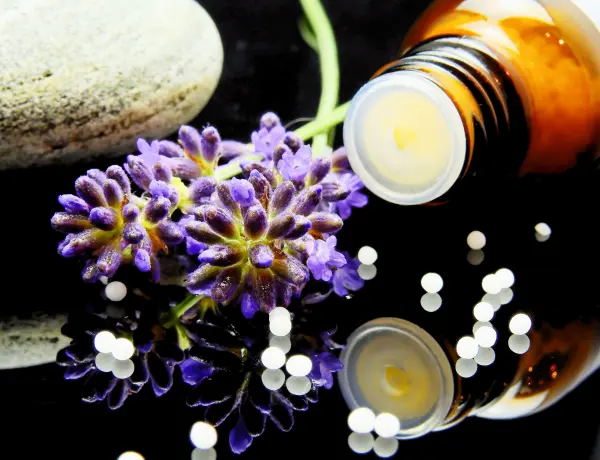
Always complete a standard skin patch test before full use to rule out lavender allergies; skip slathering large oil amounts on your skin or directly breathing concentrated oil fumes right away. Follow these straightforward step-by-step testing instructions below:
I. Gather Required Supplies
Your lavender essential oil sample, carrier oil (fractionated coconut, jojoba or sweet almond oil recommended for dilution), disposable cotton swabs or small droppers, breathable medical tape/regular band-aids plus plain soap and clean water.
II. Pre-Dilute Your Essential Oil
Even though lavender oil is relatively gentle, dilution is non-negotiable for initial allergy testing.
- Standard test mix: Combine 1 drop lavender oil with 3–5 mL carrier oil for a 1:10 ~ 1:15 dilution (roughly 3%–5% concentration). This slightly stronger blend helps draw out hidden allergic reactions easier than everyday skincare dilution ratios.
- Extra-sensitive skin adjustment: If your test spot has existing eczema or rosacea, cut strength down to a 1% mix (1 drop oil into 5 mL carrier oil).
III. Pick Your Test Spot
Top recommended areas: inner upper arm skin or behind your ear.
- Inner upper arm: Thin, easily visible skin that makes tracking reactions simple (most popular pick).
- Behind the ear: Skin matches facial skin sensitivity closely but is trickier to apply product neatly.Avoid testing on inner wrists, neck, eye surrounding areas or any broken, rash-covered skin.
IV. Run Your Patch Test
- Wash your chosen test spot with soap and water, then leave it to fully air dry—no lotion or skincare products on the area beforehand.
- Dip your cotton swab into diluted lavender mix and spread a thin layer sized like a standard coin onto clean skin.
- Don’t rub the liquid in; let it sit naturally for 10–15 minutes to sink into skin on its own.
- No mandatory covering needed (sealing skin traps moisture and raises irritation odds). If you worry about smearing, loosely cover with breathable medical tape only.
V. Track Reactions at Different Timelines & Read Results
- Instant reaction check (15–30 mins post-application) Normal: Zero odd sensations, or faint fleeting coolness from quick essential oil evaporation only. Immediate allergy/irritation: Redness, burning, stinging, intense itch or hives pop up → Rinse thoroughly with mild cleanser + cold water, apply cold compress and stop all future lavender oil use entirely.
- 24-hour short-term observationLeave test spot untouched (gentle water rinse allowed, skip soap). Normal: Skin stays completely unchanged.Delayed contact allergy: Breakouts, tiny bumps, flaky dry skin or persistent itching develops → Discontinue usage permanently.
- 3–5 day long-term monitoring for rare slow-onset allergiesFor uncommon delayed hypersensitivity cases, reapply your diluted oil mix on the same spot once daily over three straight days. Normal: Skin remains flawless through all testing days. Late allergy signs: Eczema-like patches, fluid-filled blisters or spreading red rash surface between day 2 and day 4 → Confirmed lavender allergy, avoid all products with this oil.
VI. Final Test Verdict
You’re cleared for regular lavender oil use only if your 3–5 day full test shows zero skin irritation or abnormal changes of any kind. Any rash, itch, redness or blister counts as a failed allergy test and means you cannot use this essential oil.
VII. Extra Important Safety Notes
- Minimal photosensitivity risk: Lavender barely triggers sun sensitivity, so no strict sun avoidance during testing. Still, heavy direct UV exposure can trigger rare pigmentation changes for a small subset of users; cover test skin with long sleeves outdoors just in case.
- Risk of false-negative results: Testing while taking oral anti-allergy pills or applying topical steroid creams skews test accuracy, so pause these products before starting your patch check.
- Inhalation allergies: A tiny group of people react to lavender’s airborne vapors with sneezes, runny nose or headaches. When first diffusing the oil indoors, crack open windows, stay in the room for 1–2 minutes then step outside and watch for several hours for any breathing-related discomfort.
- Kids & household pets: Always ask your pediatrician or vet before using lavender around children or cats. Cats struggle breaking down certain plant phenolic compounds; while lavender ranks low-risk, extra caution never hurts.
Quick Test Recap
Dilute your oil first, dab onto inner upper arm skin. No redness/itch after 15 minutes plus three consecutive days of trouble-free repeat application = safe to use normally. If uncomfortable irritation happens anytime mid-test, wipe residual oil away using plenty of carrier oil (not plain water). Severe swelling/redness requires immediate medical help.
How Can I Tell If My Lavender Essential Oil Is Pure ?
Judging pure lavender oil by color alone doesn’t work these days—advanced blending techniques let fake manufacturers mimic authentic hues effortlessly. Thankfully, everyday shoppers can test scent, texture and evaporation at home to filter out most low-grade synthetic or adulterated lavender oils with these easy practical checks:
1. Scent Test (Most Reliable Core Check)
Real natural lavender carries layered fragrance notes: top notes open with a fresh green, herbaceous kick, followed by soft floral middle tones and faint earthy, woody base undertones. Its aroma is rich but never overwhelming; prolonged sniffing won’t leave you dizzy or nauseous.Fake/blended synthetic oil smells flat and one-note from start to finish, often resembling artificial laundry detergent or cheap perfume. While the initial whiff might smell pleasant, extended exposure commonly causes stuffiness, throat irritation and lightheadedness.
2. Paper Evaporation Test
Drop one single oil droplet onto blank A4 or absorbent paper:
- Pure natural lavender evaporates rapidly, leaving nearly invisible or fully vanished marks within several hours to one full day with no permanent translucent greasy patch on paper.
- Blended oils loaded with mineral oil or synthetic fixatives leave thick, sticky transparent grease stains that linger for multiple days without evaporating away.
3. Cold Water Solubility Test
Essential oils naturally repel water and dissolve poorly in it. Add one drop into room-temperature plain water:
- Genuine lavender floats atop water to form a thin iridescent rainbow film; stirring creates temporary milky white emulsification that separates back into oil and water once resting still.
- Suspicious fake oil either sinks straight to the cup bottom or fully dissolves and discolors water (signaling heavy alcohol/chemical solvent additives).
4. Bottle Packaging & Texture Check
- Container rules: Authentic pure lavender eats away plastic and reacts to sunlight, so it always comes packaged inside dark amber, deep green or cobalt blue glass bottles. Any “pure lavender oil” sold in clear glass or plastic bottles is guaranteed diluted or synthetic fake.
- Hand texture test: Rub a tiny oil drop between your fingers. Real lavender’s tiny molecules sink into skin fast, leaving soft hydrated skin with no sticky oily residue. Mineral-oil-blended counterfeits sit atop your skin surface feeling slippery and greasy, absorbing extremely slowly.
5. Label & Price Reference Check (Supporting Judgment)
- Authentic products always print the official Latin botanical name (Lavandula angustifolia for true lavender); labels only marked generic “Lavender Oil” raise red flags.
- Pricing basics: Lavender isn’t ultra-premium rare oil, yet distilling finished extract needs massive quantities of fresh lavender blooms. A large 100mL bottle selling for just a couple dollars is almost certainly artificial fragrance blend instead of 100% pure essential oil.
Important Lavender Variety Pitfall Alert
Sometimes your oil is genuine plant-derived but smells odd due to differing lavender cultivars:
- True English Lavender: Gentle sweet floral aroma, ideal for skincare and sleep support (higher market price).
- Spike Lavender: Strong camphor-heavy scent similar to bug repellent, mostly made for industrial cleaning and air fresheners (budget friendly pricing).
- Lavandin: Extra potent camphor notes, primarily used for congestion relief and commercial manufacturing.
Final Buying Tip
First-time buyers should stick to well-established reputable brands and request official third-party lab test certificates from sellers. Three easy golden rules to avoid scams: smells clean without inducing dizziness, housed in dark glass bottles and fully evaporates when dropped onto paper.
Does Long-Term Regular Lavender Bath Use Cause Physical Dependency?
Using lavender essential oil long-term won’t create physical bodily addiction or painful withdrawal symptoms after stopping use, though mild habitual psychology or gradual scent tolerance can develop over time.Unlike prescription sleeping pills or addictive medication, lavender is natural plant-derived wellness support with zero addictive chemical makeup; quitting cold turkey brings no adverse physical side effects. Full breakdown plus usage advice below:
Why No Physical Addiction Occurs
True physical dependency forms when your body rewrites internal metabolism to rely on specific foreign chemicals, triggering unpleasant withdrawal like worsening insomnia, sharp pain or agitation upon stopping intake.Lavender never alters your brain’s reward chemical pathways the way controlled sedative drugs do, so sudden discontinuation never sparks shakes, vomiting or crippling anxiety typical of drug withdrawal.
Possible Mild Psychological Habituation or Olfactory Tolerance
While physically non-addictive, consistent daily use may bring two minor concerns:
- Mental routine habit: If you grow accustomed to lavender’s scent as your nightly bedtime trigger, traveling without your oil might trigger situational anxiety and temporary sleep trouble. This is a learned mental habit rather than genuine physical addiction.
- Scent fatigue: Human smell receptors adapt to constant identical fragrances. Round-the-clock exposure dulls your nose’s sensitivity over time, making lavender’s calming and sleep-enhancing benefits feel weaker than before.
Smart Long-Term Usage Guidelines to Avoid Reduced Effectiveness
- Use intermittently instead of daily: Reserve lavender baths for high-stress days, poor sleep nights or physical discomfort spells. Treat it as occasional wellness aid rather than an unavoidable daily necessity.
- Rotate different essential oils: Swap lavender with bergamot, cedarwood or sweet orange oil for bedtime aromatherapy periodically to refresh your sense of smell and prevent tolerance build-up.
- Watch out for cheap adulterated oil: If you experience severe bodily discomfort right after quitting an oil brand, your product likely contains hidden synthetic chemical additives from dishonest manufacturers; long-term synthetic fume inhalation harms overall health.
Closing Takeaway
Feel free to incorporate lavender baths into your self-care routine confidently, just avoid over-reliance. View it as a lovely lifestyle enhancement and natural helper instead of your sole medical fix for chronic health issues.
Can I Dump Undiluted Essential Oil Straight Into My Bath water?
Putting pure essential oil directly into your tub is an extremely common yet risky mistake you’ll want to avoid entirely!All essential oils repel water and mix poorly with it. When poured straight into bathwater, concentrated lavender oil floats as separated oily droplets on top. Once you settle into the tub, these undiluted oil beads cling across large swathes of your skin, easily triggering chemical burns, stinging redness or sudden allergic breakouts even with mild lavender oil.Use one of these three safe carrier mixing methods to disperse oil evenly for gentle enjoyable bathing:
Three Safe Dilution Options (Pick One Only)
- Carrier Base Oil Mix (Top Recommended Option, Best for Skin Benefits)Blend 3–5 drops lavender oil into 10–20mL carrier oil (sweet almond, shea, olive oil all work fine; regular kitchen olive oil is acceptable for home use). Stir thoroughly before pouring the full mixture into bathwater.Pros: Full uniform dilution eliminates irritation risk, leaves a nourishing protective moisturizing film across your skin post-soak.
- Full-Fat Milk or Raw Honey Mix (Luxury Hydrating Option)Add 3–5 drops oil into half a cup full-fat milk or one big spoon of raw honey; stir well so milk fat/honey molecules wrap around oil droplets before adding into your tub.Pros: Milk and honey deliver extra skin hydration for a premium spa-style bathing experience.
- Unscented Bath Salt/Fragrance-Free Body Wash (Fast Convenient Pick)Stir your lavender drops into a handful of plain unscented bath salt or fragrance-free body wash, wait until oil fully absorbs into the base then add to bathwater.Pros: Perfect quick fix when you have no carrier oil or milk available at home.
Handy Bath Best Practices
- Oil dosage control: Stick to 3–5 drops maximum per full tub; excessive concentration leads to bathroom air overload that causes dizziness and skin irritation.
- Optimal water temperature: Keep water between 38°C–40°C. Overly hot water speeds up fast essential oil evaporation, wasting product and creating overpowering enclosed bathroom fumes that cause breathlessness.
- Soaking length: Limit every bath to 15–20 minutes; longer sessions strain heart function and risk mild dehydration.
- Vulnerable user warning: Expectant parents, chronic hypertension/heart disease sufferers and anyone with open skin wounds must get professional approval from a doctor or certified aromatherapist before lavender bathing.
