Lavender essential oil
Lavender essential oil
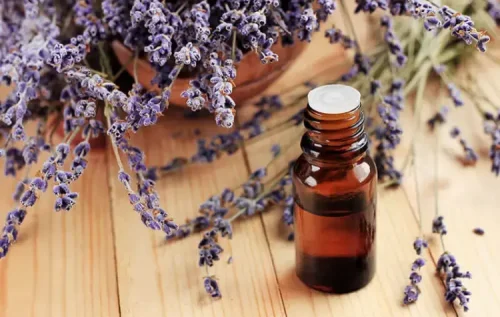
avender essential oil is widely popular for its calming, soothing, and versatile properties. It is one of the most commonly used and widely recognized essential oils in aromatherapy and personal care products.Please make sure to contact us at info@wingengroup.com if you have demand of this product, we will feedback back to you within 12 hours.

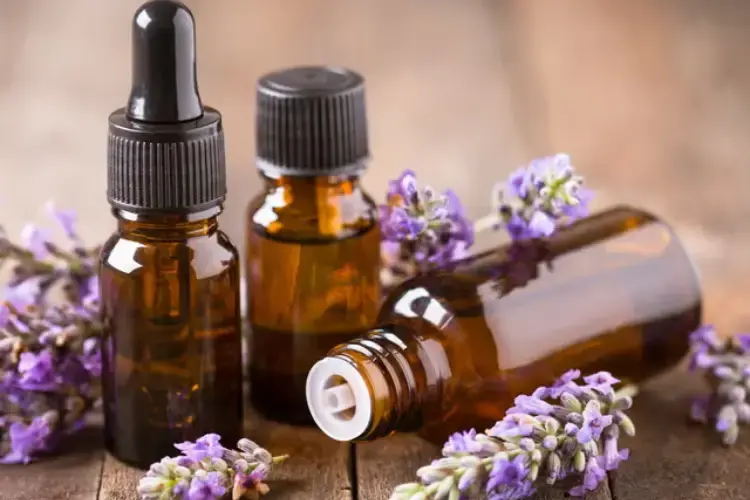


Latin Name:Lavandula angustifolia
Main Assay:Lavender essential oil
CAS No.:8000-28-0
MOQ:1.0KGS
Quality Control
All goods we carry are manufactured with the best quality,leading the quality of life and fashion trends.










Lavender essential oil
avender essential oil is widely popular for its calming, soothing, and versatile properties. It is one of the most commonly used and widely recognized essential oils in aromatherapy and personal care products.Please make sure to contact us at info@wingengroup.com if you have demand of this product, we will feedback back to you within 12 hours.
Latin Name:
Main Assay:
CAS No.:
MOQ:
Lavandula angustifolia
Lavender essential oil
8000-28-0
1.0KGS
Quality Control
All goods we carry are manufactured with the best quality,leading the quality of life and fashion trends.








Description
Lavender essential oil is derived from the flowers of the Lavandula angustifolia plant through steam distillation. Known for its calming, soothing, and versatile properties, lavender essential oil is one of the most popular and widely used essential oils in aromatherapy and personal care products.
Key Characteristics of Lavender Essential Oil:
Color: Typically clear to pale yellow or light green, depending on purity and extraction methods.
Scent: Fresh, floral, herbal, and calming. Its sweet, floral fragrance is highly favored for its therapeutic effects on mind and body.
Main Components: The primary chemical constituents of lavender oil include linalool (a terpene alcohol) and linalyl acetate (an ester). These compounds are responsible for its soothing effects.
Overall, Lavender essential oil has a clear, light appearance and a light color, and its most notable feature is its aroma.
Application of Lavender Essential Oil
Lavender essential oil is widely used in many different products due to its versatility and gentle nature. Here are some common application areas and product types:
1. Aromatherapy products
Aromatherapy candles: Lavender essential oil is often added to aromatherapy candles because of its refreshing and relaxing aroma to help create a comfortable and quiet environment.
Air fresheners: Lavender essential oil can be used in air fresheners to purify the air and provide a pleasant aroma.
Diffusers/aromatherapy essential oils: Diffusing lavender essential oil into the air through heating or a diffuser can help relieve stress and improve sleep.
2. Skin care and personal care products
Skin creams/face creams: Lavender essential oil has anti-inflammatory and soothing properties and is often used in skin care products that fight acne, anti-allergy, and soothe the skin.
Facial cleansing products: The antibacterial effect of lavender essential oil makes it an ideal ingredient for cleaning facial oils and bacteria, suitable for facial cleansers, cleansing milks, etc.
Shower gel and shampoo: Lavender essential oil is often added to help relax the mood, while also soothing and cleaning the scalp.
Massage oil: Lavender essential oil is often mixed with base oil and used in massage products to help relax muscles and relieve stress.
Anti-acne and scar repair products: Lavender’s antibacterial and healing properties make it found in many acne and scar removal products.
3. Therapeutic products
Essential oil therapy: As a single essential oil, lavender essential oil is widely used in aromatherapy to relieve anxiety, insomnia, headaches and other problems.
Therapeutic aromatherapy: Used in essential oil mixtures to relieve tension, anxiety, stress, and even help improve sleep quality.
Analgesic and soothing creams: Lavender essential oil is often used in some plasters or sprays to relieve muscle soreness and joint pain due to its analgesic and anti-inflammatory effects.
4. Home care products
Cleaners: Lavender essential oil is often used as part of household cleaning products, such as cleaning sprays and floor cleaners, due to its natural antibacterial and antiviral properties.
Fabric spray: Spray on sheets, pillows, clothing, etc., lavender essential oil can provide a fresh aroma and help eliminate bacteria.
Laundry detergent and washing powder: Lavender essential oil is often used in laundry detergent, which not only provides a natural aroma, but also has an antibacterial effect.
5. Other products
Pet care: Some pet care products, such as pet bath liquid and pet spray, may also add a small amount of lavender essential oil to relieve pet anxiety and promote skin health.
Insect repellent products: Lavender essential oil has a certain repellent effect on insects such as mosquitoes, and is often added to products such as insect repellent spray and mosquito repellent patches.
6. Food and beverages
Fragrances and food additives: Although less used, lavender essential oil is used as a natural fragrance or seasoning in some high-end restaurants, especially in desserts, teas, etc.
Beverage flavoring: Lavender essential oil may also be added to some special flavors of tea or drinks to add a fresh floral scent.
Benefit of Lavender
Essential Oil
Lavender essential oil offers a wide range of benefits due to its calming, soothing, and therapeutic properties. Here are some key benefits:
1. Promotes Relaxation & Reduces Stress: Lavender oil is widely known for its ability to reduce anxiety and stress, promoting a sense of calm and relaxation.
2. Improves Sleep: It helps improve sleep quality and can assist with insomnia by creating a calming environment.
3. Relieves Pain & Muscle Tension: Lavender oil can relieve headaches, migraines, and muscle pain, offering soothing effects on the body.
4. Supports Skin Health: It has antibacterial and anti-inflammatory properties, making it effective for treating acne, soothing skin irritation, and promoting wound healing.
5. Boosts Mood & Mental Clarity: Lavender oil can uplift mood, reduce feelings of irritability, and improve mental focus.
6. Respiratory Health: It helps relieve cough, congestion, and respiratory discomfort by clearing airways.
7. Natural Insect Repellent: Lavender oil is effective in repelling mosquitoes and other insects.
Production Process of Lavender Essential Oil
The production process of lavender essential oil is mainly extracted by steam distillation. The following are the production steps:
1. Raw material collection
The production of lavender essential oil begins with the collection of fresh or dried lavender flowers. To ensure the quality of the essential oil, lavender flowers are usually picked when they are in full bloom, because the essential oil components contained in the flowers are the richest at this time. The ideal picking time is usually in the morning, after the dew evaporates, but before the sun shines strongly.
2. Drying (optional)
Sometimes, lavender flowers are dried before extraction for better storage and transportation. The drying process needs to avoid excessive sunlight exposure to prevent the loss of essential oil components. The dried flowers still retain more aroma and essential oils.
3. Steam distillation
This is the most common method for extracting lavender essential oil:
Steam heating: Put the lavender flowers in a distillation pot and use water vapor to release the essential oil components in the plant cells.
Condensation and separation: When the steam passes through the flowers, it takes away the essential oil in the plant and cools through the condenser to form a liquid. During the cooling process, the essential oil is separated from the water and the essential oil floats on the water surface.
Collecting essential oil: The upper layer of essential oil is collected through a separator or sedimentation method. This part is lavender essential oil. The lower layer of water is called “Lavender Hydrosol” and can also be used in cosmetics and fragrance products.
4. Filtration and purification
The collected lavender essential oil may contain some tiny impurities or water, so it is usually necessary to filter and purify it. By filtering, excess impurities are removed to ensure the purity and quality of the essential oil.
5. Storage and packaging
After the essential oil is extracted, it needs to be stored in a light-proof, sealed container, kept at a low temperature and dry environment to prevent the essential oil from oxidation. Dark glass bottles (such as blue or amber bottles) are usually used for storage to protect the essential oil from light. Before packaging, quality inspection is also carried out to ensure that the essential oil meets quality standards.
6. Product production
After essential oil extraction, filtration and storage, lavender essential oil can be used in the production of various products, such as aromatherapy, massage oil, skin care products, detergents, etc.
Specification
| ITEMS | SPECIFICATION | RESULTS |
|---|---|---|
| Appearance | Light yellow to yellow liquid | Conforms |
| Odor | Characteristic | Conforms |
| Relative Density(20℃) | 0.876-0.895 | 0.8789 |
| Refractive(20℃) | 1.457-1.464 | 1.462 |
| Optical Activity(20℃) | -12°~ -6° | -9.6° |
| Peroxide Value | 10mmol/kg Max | 3.38mmol/kg |
| α-pinene | --- | 3.84% |
| C-ocimene | --- | 2.06% |
| Linalool | --- | 33.08% |
| Linalyl acetate | --- | 26.49% |
| Lavandin acetate | --- | 5.16% |
| Camphor | --- | 0.2% |
| Total plate count | 1000cfu/ml Max | Conforms |
| Molds and Yeast | 100cfu/ml Max | Conforms |
| E.coli | Negative | Negative |
| Salmonella | Negative | Negative |
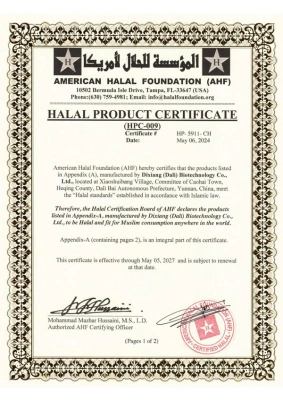
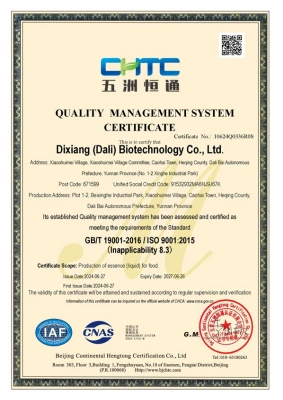
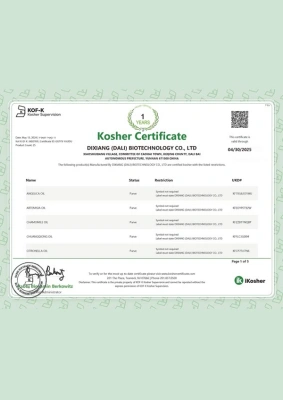
Certification
Precautions
Factory Purchasing Lavender Essential Oil Precautions
When factories purchase lavender essential oil, they need to pay attention to the following points:
1. Purity and quality: Make sure the essential oil is 100% pure and natural lavender essential oil, and avoid mixed oils. Require a component analysis report.
2. Extraction method: Steam distillation is preferred, and essential oils extracted with chemical solvents should be avoided.
3. Source of raw materials: Confirm that the raw materials come from reliable origins and organic certification.
4. Aroma and color: Check whether the aroma of the essential oil is natural and lasting, and the color should be transparent or light yellow, without impurities.
5. Packaging and storage: Make sure the essential oil is packaged in dark glass bottles and stored in a dry and cool place.
6. Supplier qualifications: Choose suppliers with ISO and GMP certification to ensure stable and reliable quality.
7. Price and supply stability: The price should be reasonable to ensure long-term supply stability.
Related Products
Contact Us
info@wingengroup.com
+86-21-39652034
+86-17717633275
Address
Room 207, Building 3, No. 2216 Jingao Road, Pudong New Area, Shanghai, China

Description
Lavender essential oil is derived from the flowers of the Lavandula angustifolia plant through steam distillation. Known for its calming, soothing, and versatile properties, lavender essential oil is one of the most popular and widely used essential oils in aromatherapy and personal care products.
Key Characteristics of Lavender Essential Oil:
Color: Typically clear to pale yellow or light green, depending on purity and extraction methods.
Scent: Fresh, floral, herbal, and calming. Its sweet, floral fragrance is highly favored for its therapeutic effects on mind and body.
Main Components: The primary chemical constituents of lavender oil include linalool (a terpene alcohol) and linalyl acetate (an ester). These compounds are responsible for its soothing effects.
Overall, Lavender essential oil has a clear, light appearance and a light color, and its most notable feature is its aroma.

Application of Lavender Essential Oil
Lavender essential oil is widely used in many different products due to its versatility and gentle nature. Here are some common application areas and product types:
1. Aromatherapy products
Aromatherapy candles: Lavender essential oil is often added to aromatherapy candles because of its refreshing and relaxing aroma to help create a comfortable and quiet environment.
Air fresheners: Lavender essential oil can be used in air fresheners to purify the air and provide a pleasant aroma.
Diffusers/aromatherapy essential oils: Diffusing lavender essential oil into the air through heating or a diffuser can help relieve stress and improve sleep.
2. Skin care and personal care products
Skin creams/face creams: Lavender essential oil has anti-inflammatory and soothing properties and is often used in skin care products that fight acne, anti-allergy, and soothe the skin.
Facial cleansing products: The antibacterial effect of lavender essential oil makes it an ideal ingredient for cleaning facial oils and bacteria, suitable for facial cleansers, cleansing milks, etc.
Shower gel and shampoo: Lavender essential oil is often added to help relax the mood, while also soothing and cleaning the scalp.
Massage oil: Lavender essential oil is often mixed with base oil and used in massage products to help relax muscles and relieve stress.
Anti-acne and scar repair products: Lavender’s antibacterial and healing properties make it found in many acne and scar removal products.
3. Therapeutic products
Essential oil therapy: As a single essential oil, lavender essential oil is widely used in aromatherapy to relieve anxiety, insomnia, headaches and other problems.
Therapeutic aromatherapy: Used in essential oil mixtures to relieve tension, anxiety, stress, and even help improve sleep quality.
Analgesic and soothing creams: Lavender essential oil is often used in some plasters or sprays to relieve muscle soreness and joint pain due to its analgesic and anti-inflammatory effects.
4. Home care products
Cleaners: Lavender essential oil is often used as part of household cleaning products, such as cleaning sprays and floor cleaners, due to its natural antibacterial and antiviral properties.
Fabric spray: Spray on sheets, pillows, clothing, etc., lavender essential oil can provide a fresh aroma and help eliminate bacteria.
Laundry detergent and washing powder: Lavender essential oil is often used in laundry detergent, which not only provides a natural aroma, but also has an antibacterial effect.
5. Other products
Pet care: Some pet care products, such as pet bath liquid and pet spray, may also add a small amount of lavender essential oil to relieve pet anxiety and promote skin health.
Insect repellent products: Lavender essential oil has a certain repellent effect on insects such as mosquitoes, and is often added to products such as insect repellent spray and mosquito repellent patches.
6. Food and beverages
Fragrances and food additives: Although less used, lavender essential oil is used as a natural fragrance or seasoning in some high-end restaurants, especially in desserts, teas, etc.
Beverage flavoring: Lavender essential oil may also be added to some special flavors of tea or drinks to add a fresh floral scent.
Benefit of Lavender Essential Oil
Lavender essential oil offers a wide range of benefits due to its calming, soothing, and therapeutic properties. Here are some key benefits:
1. Promotes Relaxation & Reduces Stress: Lavender oil is widely known for its ability to reduce anxiety and stress, promoting a sense of calm and relaxation.
2. Improves Sleep: It helps improve sleep quality and can assist with insomnia by creating a calming environment.
3. Relieves Pain & Muscle Tension: Lavender oil can relieve headaches, migraines, and muscle pain, offering soothing effects on the body.
4. Supports Skin Health: It has antibacterial and anti-inflammatory properties, making it effective for treating acne, soothing skin irritation, and promoting wound healing.
5. Boosts Mood & Mental Clarity: Lavender oil can uplift mood, reduce feelings of irritability, and improve mental focus.
6. Respiratory Health: It helps relieve cough, congestion, and respiratory discomfort by clearing airways.
7. Natural Insect Repellent: Lavender oil is effective in repelling mosquitoes and other insects.

Production Process of Lavender Essential Oil
The production process of lavender essential oil is mainly extracted by steam distillation. The following are the production steps:
1. Raw material collection
The production of lavender essential oil begins with the collection of fresh or dried lavender flowers. To ensure the quality of the essential oil, lavender flowers are usually picked when they are in full bloom, because the essential oil components contained in the flowers are the richest at this time. The ideal picking time is usually in the morning, after the dew evaporates, but before the sun shines strongly.
2. Drying (optional)
Sometimes, lavender flowers are dried before extraction for better storage and transportation. The drying process needs to avoid excessive sunlight exposure to prevent the loss of essential oil components. The dried flowers still retain more aroma and essential oils.
3. Steam distillation
This is the most common method for extracting lavender essential oil:
Steam heating: Put the lavender flowers in a distillation pot and use water vapor to release the essential oil components in the plant cells.
Condensation and separation: When the steam passes through the flowers, it takes away the essential oil in the plant and cools through the condenser to form a liquid. During the cooling process, the essential oil is separated from the water and the essential oil floats on the water surface.
Collecting essential oil: The upper layer of essential oil is collected through a separator or sedimentation method. This part is lavender essential oil. The lower layer of water is called “Lavender Hydrosol” and can also be used in cosmetics and fragrance products.
4. Filtration and purification
The collected lavender essential oil may contain some tiny impurities or water, so it is usually necessary to filter and purify it. By filtering, excess impurities are removed to ensure the purity and quality of the essential oil.
5. Storage and packaging
After the essential oil is extracted, it needs to be stored in a light-proof, sealed container, kept at a low temperature and dry environment to prevent the essential oil from oxidation. Dark glass bottles (such as blue or amber bottles) are usually used for storage to protect the essential oil from light. Before packaging, quality inspection is also carried out to ensure that the essential oil meets quality standards.
6. Product production
After essential oil extraction, filtration and storage, lavender essential oil can be used in the production of various products, such as aromatherapy, massage oil, skin care products, detergents, etc.

Specification
| ITEMS | SPECIFICATION | RESULTS |
|---|---|---|
| Appearance | Light yellow to yellow liquid | Conforms |
| Odor | Characteristic | Conforms |
| Relative Density(20℃) | 0.876-0.895 | 0.8789 |
| Refractive(20℃) | 1.457-1.464 | 1.462 |
| Optical Activity(20℃) | -12°~ -6° | -9.6° |
| Peroxide Value | 10mmol/kg Max | 3.38mmol/kg |
| α-pinene | --- | 3.84% |
| C-ocimene | --- | 2.06% |
| Linalool | --- | 33.08% |
| Linalyl acetate | --- | 26.49% |
| Lavandin acetate | --- | 5.16% |
| Camphor | --- | 0.2% |
| Total plate count | 1000cfu/ml Max | Conforms |
| Molds and Yeast | 100cfu/ml Max | Conforms |
| E.coli | Negative | Negative |
| Salmonella | Negative | Negative |
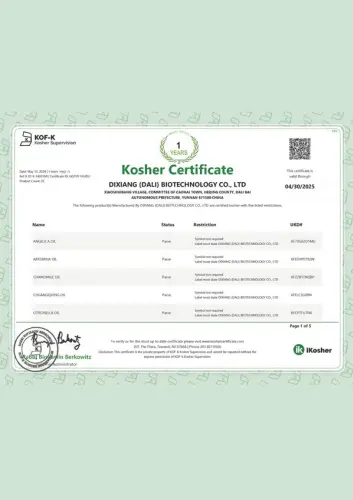
Certification


Precautions
Factory Purchasing Lavender Essential Oil Precautions
When factories purchase lavender essential oil, they need to pay attention to the following points:
1. Purity and quality: Make sure the essential oil is 100% pure and natural lavender essential oil, and avoid mixed oils. Require a component analysis report.
2. Extraction method: Steam distillation is preferred, and essential oils extracted with chemical solvents should be avoided.
3. Source of raw materials: Confirm that the raw materials come from reliable origins and organic certification.
4. Aroma and color: Check whether the aroma of the essential oil is natural and lasting, and the color should be transparent or light yellow, without impurities.
5. Packaging and storage: Make sure the essential oil is packaged in dark glass bottles and stored in a dry and cool place.
6. Supplier qualifications: Choose suppliers with ISO and GMP certification to ensure stable and reliable quality.
7. Price and supply stability: The price should be reasonable to ensure long-term supply stability.