Thuja Essential Oil
Thuja Essential Oil
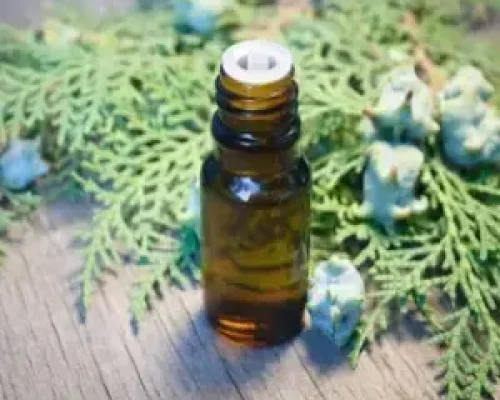
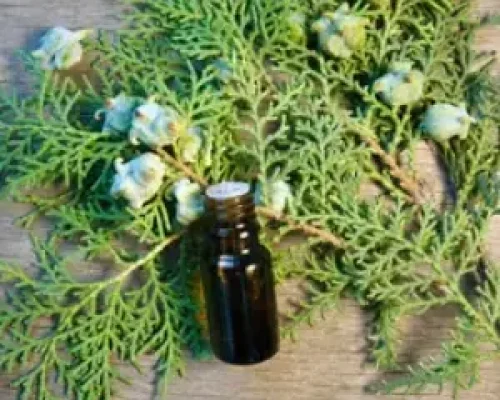
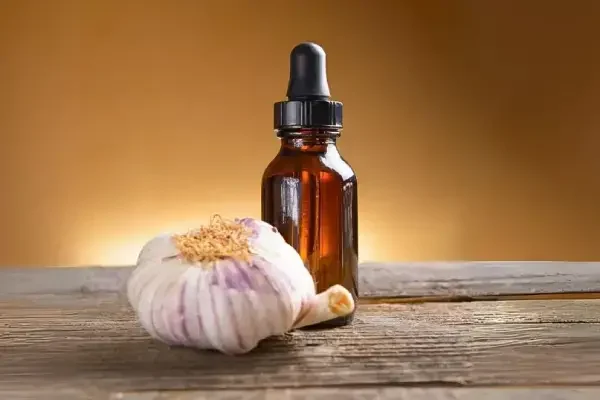
Thuja essential oil is an essential oil extracted from the leaves and branches of the Thuja occidentalis (Oriental White Fir) tree, which has a strong woody aroma and is widely used in aromatherapy and skin care.Please make sure to contact us at info@wingengroup.com if you have demand of this product, we will feedback back to you within 12 hours.
Main Assay:Thuja Essential Oil
CAS No.:8000-44-6
MOQ:100.0KGS
Quality Control
All goods we carry are manufactured with the best quality,leading the quality of life and fashion trends.
Thuja Essential Oil
Thuja essential oil is an essential oil extracted from the leaves and branches of the Thuja occidentalis (Oriental White Fir) tree, which has a strong woody aroma and is widely used in aromatherapy and skin care.Please make sure to contact us at info@wingengroup.com if you have demand of this product, we will feedback back to you within 12 hours.
Main Assay:
CAS No.:
MOQ:
Thuja Essential Oil
8000-44-6
100.0KGS
Quality Control
All goods we carry are manufactured with the best quality,leading the quality of life and fashion trends.
Description
Thuja Essential Oil is an essential oil derived from the Thuja occidentalis tree, commonly known as the Eastern White Cedar or Arborvitae. The oil is extracted through steam distillation from the leaves, twigs, and branches of this evergreen tree.
Key Characteristics
Botanical Name: Platycladus orientalis
Method of Extraction: Steam distillation.
Color and aroma characteristics: Yellow liquid, with a hint of fruity flavor.
Color: Pale yellow to greenish-yellow
Main chemical components: thuja sutchuenensis, thuja sutchuenensis, thuja sutchuenensis, thuja sutchuenensis, thuja sutchuenensis.
Origin distribution: Thuja mainly produced in China’s Sichuan Daba Mountain, North China Taihang Mountains, generally growing in the 700-2100 meters above sea level in the cliff crevices.
Benefits of Thuja Essential Oil
Thuja essential oil offers a variety of benefits due to its rich chemical profile and therapeutic properties.
1. Antibacterial and Antiviral: Thuja essential oil can effectively fight bacteria, viruses and fungi, and help treat skin infections and fungal infections.
2. Skin Care: Thuja essential oil helps to clear warts, acne and skin inflammation, and promote wound healing.
3. Respiratory Support: Thuja essential oil helps relieve colds, coughs and nasal congestion, and clears the respiratory tract.
4. Immunity Enhancer: Thuja occidentalis oil improves the function of the immune system and helps fight infection.
5. Antibacterial: Thuja essential oil has a natural insect repellent effect, especially against mosquitoes.
6. Anti-inflammatory: Thuja essential oil reduces arthritis, muscle pain and swelling.
7. Stress Relief: Thuja occidentalis oil helps to reduce stress, anxiety, and improve mood and mental focus.
Application of Thuja Essential Oil
Thuja Essential Oil can be used in a variety of products, mainly due to its powerful antibacterial, antiviral and anti-inflammatory properties. Here are some common product types:
1. Skin Care Products
Skin Creams and Lotions: Due to its antibacterial and anti-inflammatory properties, Thuja Essential Oil is often used to cleanse the skin and treat skin problems such as warts, acne, and eczema.
Anti-Acne Products: Thuja Essential Oil helps control the occurrence of acne and reduce skin inflammation.
Natural Face Masks: Thuja Essential Oil can be added to face masks to help cleanse the skin and reduce acne, warts, and other problems.
Wound Treatment Creams: During the healing process, Thuja Essential Oil can help promote wound healing and prevent infection.
2. Respiratory Products
Cough Syrup: Its antibacterial and antiviral properties make Thuja Essential Oil suitable for treating colds, coughs, and other respiratory issues.
Nasal Spray: As a respiratory support, it can help clear a stuffy nose and relieve cold symptoms.
Respiratory Spray or Aromatherapy: Thuja Essential Oil is often used in air purifiers or aromatherapy to promote smoother breathing.
3. Personal Care Products
Shampoos and Conditioners: Thuja Essential Oil can be used to prevent dandruff and improve scalp health due to its antibacterial and antifungal properties.
Antibacterial Spray: Thuja Essential Oil is used to freshen the air, especially in environments where antibacterial and antiviral effects are required.
4.Insect Repellent Products
Natural Insect Repellent: Thuja essential oil has a natural insect repellent effect and is often used in mosquito repellent products such as mosquito repellent sprays, insect repellent aromatherapy and mosquito repellent patches.
Sheet and Clothing Spray: It can be used as a natural ingredient to repel insects and prevent insects from your sheets or clothing.
5. Household Cleaning Products
Natural Cleaners: Due to its antibacterial properties, mugwort essential oil can be used as an ingredient in natural cleaning products, especially for disinfecting and surface cleaning.
Laundry Detergents: It can be added to laundry detergents or fabric softeners to help disinfect and provide a fresh scent to clothes.
6. Aromatherapy
Aromatherapy oil: As one of the essential oils for aromatherapy, Thuja essential oil helps relieve tension, anxiety, and promote psychological relaxation. It is often used in diffusers or steam therapy.
Massage oil: It can be mixed with carrier oil and used for massage to help relieve muscle tension and relieve pain.
7. Natural Health Products
Immunity Boosting Formulas: Due to its immune boosting properties, Thuja Essential Oil can be used as part of a health supplement to help support the immune system.
Detoxifying Formulas: Thuja Essential Oil can be added to natural detoxifying formulas to help promote the elimination of toxins from the body.
Specification
| Testing Items | Standard Requirements | Testing Result |
|---|---|---|
| Appearance | Light yellow to yellow | Qualified |
| Scent | Characteristic odor | Qualified |
| Relative Density(20℃) | 0.910~0.930 | 0.915 |
| Refractive Index(20℃) | 1.470~1.480 | 1.473 |
| Thujone | Content(%) | 38.510 |
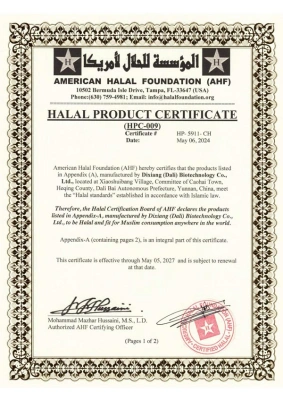
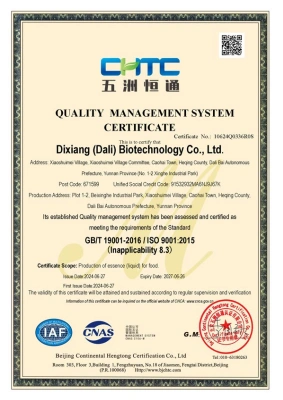
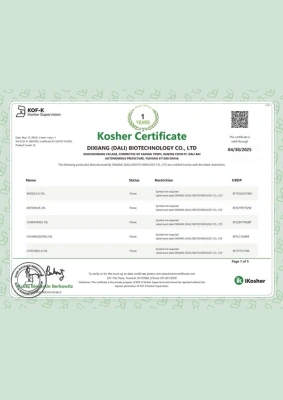
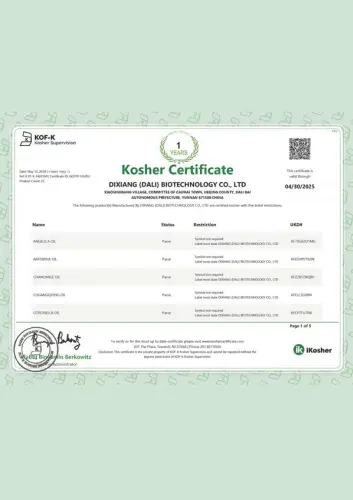
Certification


Precautions
When a factory sources Thuja Essential Oil, key considerations include:
1. Quality: Ensure the essential oil is pure, distilled, and free of contaminants.
2. Certification: Verify if the essential oil is organic, non-GMO, or meets any industry-specific quality standards.
3. Supplier reputation: Choose a trusted supplier with a proven track record of providing essential oils.
4. Quantity: Factories require large quantities of essential oils, buy in bulk to get more competitive pricing, and confirm storage and shelf life.
5. Safety and compliance: Ensure the product complies with local regulations, especially when used in skincare or food-related products.
6. Delivery time: Confirm delivery schedules to ensure the product arrives when needed.
Related Products
Contact Us
info@wingengroup.com
+86-21-39652034
+86-17717633275
Address
Room 207, Building 3, No. 2216 Jingao Road, Pudong New Area, Shanghai, China
Description
Thuja Essential Oil is an essential oil derived from the Thuja occidentalis tree, commonly known as the Eastern White Cedar or Arborvitae. The oil is extracted through steam distillation from the leaves, twigs, and branches of this evergreen tree.
Key Characteristics
Botanical Name: Platycladus orientalis
Method of Extraction: Steam distillation.
Color and aroma characteristics: Yellow liquid, with a hint of fruity flavor.
Color: Pale yellow to greenish-yellow
Main chemical components: thuja sutchuenensis, thuja sutchuenensis, thuja sutchuenensis, thuja sutchuenensis, thuja sutchuenensis.
Origin distribution: Thuja mainly produced in China’s Sichuan Daba Mountain, North China Taihang Mountains, generally growing in the 700-2100 meters above sea level in the cliff crevices.
Benefits of Thuja Essential Oil
Thuja essential oil offers a variety of benefits due to its rich chemical profile and therapeutic properties.
1. Antibacterial and Antiviral: Thuja essential oil can effectively fight bacteria, viruses and fungi, and help treat skin infections and fungal infections.
2. Skin Care: Thuja essential oil helps to clear warts, acne and skin inflammation, and promote wound healing.
3. Respiratory Support: Thuja essential oil helps relieve colds, coughs and nasal congestion, and clears the respiratory tract.
4. Immunity Enhancer: Thuja occidentalis oil improves the function of the immune system and helps fight infection.
5. Antibacterial: Thuja essential oil has a natural insect repellent effect, especially against mosquitoes.
6. Anti-inflammatory: Thuja essential oil reduces arthritis, muscle pain and swelling.
7. Stress Relief: Thuja occidentalis oil helps to reduce stress, anxiety, and improve mood and mental focus.
Application of Thuja Essential Oil
Thuja Essential Oil can be used in a variety of products, mainly due to its powerful antibacterial, antiviral and anti-inflammatory properties. Here are some common product types:
1. Skin Care Products
Skin Creams and Lotions: Due to its antibacterial and anti-inflammatory properties, Thuja Essential Oil is often used to cleanse the skin and treat skin problems such as warts, acne, and eczema.
Anti-Acne Products: Thuja Essential Oil helps control the occurrence of acne and reduce skin inflammation.
Natural Face Masks: Thuja Essential Oil can be added to face masks to help cleanse the skin and reduce acne, warts, and other problems.
Wound Treatment Creams: During the healing process, Thuja Essential Oil can help promote wound healing and prevent infection.
2. Respiratory Products
Cough Syrup: Its antibacterial and antiviral properties make Thuja Essential Oil suitable for treating colds, coughs, and other respiratory issues.
Nasal Spray: As a respiratory support, it can help clear a stuffy nose and relieve cold symptoms.
Respiratory Spray or Aromatherapy: Thuja Essential Oil is often used in air purifiers or aromatherapy to promote smoother breathing.
3. Personal Care Products
Shampoos and Conditioners: Thuja Essential Oil can be used to prevent dandruff and improve scalp health due to its antibacterial and antifungal properties.
Antibacterial Spray: Thuja Essential Oil is used to freshen the air, especially in environments where antibacterial and antiviral effects are required.
4.Insect Repellent Products
Natural Insect Repellent: Thuja essential oil has a natural insect repellent effect and is often used in mosquito repellent products such as mosquito repellent sprays, insect repellent aromatherapy and mosquito repellent patches.
Sheet and Clothing Spray: It can be used as a natural ingredient to repel insects and prevent insects from your sheets or clothing.
5. Household Cleaning Products
Natural Cleaners: Due to its antibacterial properties, mugwort essential oil can be used as an ingredient in natural cleaning products, especially for disinfecting and surface cleaning.
Laundry Detergents: It can be added to laundry detergents or fabric softeners to help disinfect and provide a fresh scent to clothes.
6. Aromatherapy
Aromatherapy oil: As one of the essential oils for aromatherapy, Thuja essential oil helps relieve tension, anxiety, and promote psychological relaxation. It is often used in diffusers or steam therapy.
Massage oil: It can be mixed with carrier oil and used for massage to help relieve muscle tension and relieve pain.
7. Natural Health Products
Immunity Boosting Formulas: Due to its immune boosting properties, Thuja Essential Oil can be used as part of a health supplement to help support the immune system.
Detoxifying Formulas: Thuja Essential Oil can be added to natural detoxifying formulas to help promote the elimination of toxins from the body.
Specification
| Testing Items | Standard Requirements | Testing Result |
|---|---|---|
| Appearance | Light yellow to yellow | Qualified |
| Scent | Characteristic odor | Qualified |
| Relative Density(20℃) | 0.910~0.930 | 0.915 |
| Refractive Index(20℃) | 1.470~1.480 | 1.473 |
| Thujone | Content(%) | 38.510 |
Precautions
When a factory sources Thuja Essential Oil, key considerations include:
1. Quality: Ensure the essential oil is pure, distilled, and free of contaminants.
2. Certification: Verify if the essential oil is organic, non-GMO, or meets any industry-specific quality standards.
3. Supplier reputation: Choose a trusted supplier with a proven track record of providing essential oils.
4. Quantity: Factories require large quantities of essential oils, buy in bulk to get more competitive pricing, and confirm storage and shelf life.
5. Safety and compliance: Ensure the product complies with local regulations, especially when used in skincare or food-related products.
6. Delivery time: Confirm delivery schedules to ensure the product arrives when needed.