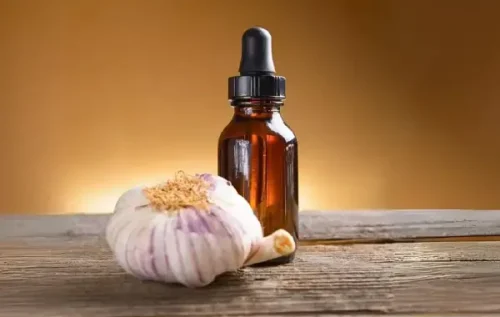
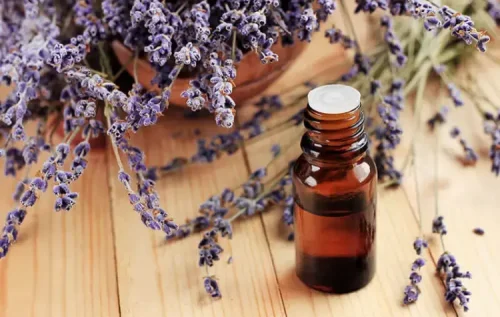
Tea Tree Essential Oil
Tea Tree Essential Oil
Tea Tree Essential Oil, also known as melaleuca oil, is an essential oil distilled from the leaves of the tea plant.Please make sure to contact us at info@wingengroup.com if you have demand of this product, we will feedback back to you within 12 hours.


Main Assay:Tea Tree Essential Oil
CAS No.:68647-73-4
MOQ:1.0KGS
Quality Control
All goods we carry are manufactured with the best quality,leading the quality of life and fashion trends.










Tea Tree Essential Oil
Tea Tree Essential Oil, also known as melaleuca oil, is an essential oil distilled from the leaves of the tea plant.Please make sure to contact us at info@wingengroup.com if you have demand of this product, we will feedback back to you within 12 hours.
Main Assay:
CAS No.:
MOQ:
Tea Tree Essential Oil
68647-73-4
1.0KGS
Quality Control
All goods we carry are manufactured with the best quality,leading the quality of life and fashion trends.








Description
Tea tree essential oil from China is an essential oil extracted from the leaves of the tea tree (scientific name: Melaleuca alternifolia). It is mainly produced in Australia, but China has also begun to produce this essential oil.
Tea tree essential oil is widely used in personal care, skin care, cleaning products and medical fields due to its powerful antibacterial, antiviral, anti-inflammatory and antioxidant properties.
Tea tree essential oil is usually produced in China by steam distillation from the leaves and branches of the tea tree. This essential oil has a fresh, slightly herbal aroma and is often used to relieve skin problems such as acne, wound healing, athlete’s foot, etc. It can also be used as an air freshener.
Key Characteristics
Appearance: Clear to pale yellow liquid with a fresh, camphoraceous odor.
Extraction Method: Steam distillation from the leaves and twigs of the tea tree plant.
Main Components: Terpinen-4-ol, γ-terpinene, α-terpinene, and other monoterpenes.
Benefits of Tea Tree Essential Oil
Tea tree essential oil offers a variety of benefits, primarily due to its potent antibacterial, antifungal, antiviral, anti-inflammatory, and antimicrobial properties. Here are some of the key benefits of tea tree essential oil:
1. Antibacterial and antiviral: Tea tree essential oil is known for its powerful antibacterial, antiviral and antifungal properties and is widely used in skin care and hygiene products.
2. Air Purifier: With a refreshing aroma, it is often used in air fresheners and aromatherapy to help remove bacteria and viruses from the air.
3. Promote skin health: It can help relieve skin problems such as acne and dermatitis, and has anti-inflammatory and antibacterial effects.
4. Immune system support: It helps to enhance immunity and is often used to enhance the body’s natural resistance.
5. Mental relaxation: It can help relieve stress, anxiety, and improve sleep quality.
Tea tree essential oil is a natural and versatile product that is widely used in many fields such as health, personal care and cleaning.
Application of Tea Tree Essential Oil
1. Antimicrobial Properties
Antibacterial: Tea tree essential oil is known for its ability to kill a broad spectrum of bacteria, which makes it effective for preventing and treating infections, including skin infections, acne, and wounds.
Antifungal: It is commonly used to treat fungal infections like athlete’s foot, ringworm, and nail fungus due to its strong antifungal effects.
Antiviral: Tea tree essential oil can help fight viral infections and is sometimes used as a preventive measure during flu season or to reduce the severity of colds and respiratory infections.
2. Supports Skin Health
Acne Treatment: Tea tree essential oil is a natural acne remedy, known for its ability to fight acne-causing bacteria and reduce inflammation, making it a common ingredient in many acne treatments.
Reduces Inflammation: The anti-inflammatory properties of Tea tree essential oil help reduce redness, swelling, and irritation from conditions like eczema, psoriasis, and dermatitis.
Wound Healing: Due to its antiseptic qualities, tea tree oil can be used to disinfect minor cuts, scrapes, and burns, promoting faster healing and preventing infection.
Soothes Itchy Skin: It helps relieve itching caused by insect bites, rashes, and allergies.
3. Promotes Healthy Hair
Dandruff Treatment: Tea tree essential oil is often used in shampoos to treat dandruff and other scalp conditions like seborrheic dermatitis. It helps to balance oil production and remove dead skin cells, improving overall scalp health.
Lice Prevention: Tea tree essential oil can be an effective natural remedy for lice infestations, due to its insecticidal properties.
Stimulates Hair Growth: Some believe that tea tree oil can help promote hair growth by stimulating blood circulation in the scalp, though more research is needed on this benefit.
4. Supports Respiratory Health
Clears Nasal Passages: Tea tree essential oil is often used in steam inhalations or diffusers to help clear nasal passages, reduce sinus congestion, and alleviate symptoms of colds, flu, or allergies.
Treats Cough and Sore Throat: Its antibacterial and antiviral properties make it a good remedy for soothing a sore throat or reducing the severity of a cough.
Air Purification: When used in diffusers, tea tree oil helps purify the air by killing airborne bacteria, viruses, and fungi, making it beneficial for maintaining a clean and healthy indoor environment.
5. Promotes Mental Clarity
Mood Upliftment: Tea tree essential oil has a refreshing, invigorating scent that can help clear the mind, reduce mental fatigue, and promote a feeling of alertness. It’s commonly used in aromatherapy for boosting concentration and mental clarity.
Reduces Stress and Anxiety: When used in a diffuser or applied in a diluted form during massage, tea tree oil can have a calming effect on the body, helping to reduce anxiety and stress.
6. Natural Insect Repellent
Repels Insects: The strong smell of tea tree oil acts as a natural insect repellent, keeping mosquitoes, fleas, and other pests away.
Treats Insect Bites: Tea tree essential oil can be applied topically (when diluted with a carrier oil) to soothe the irritation and inflammation caused by insect bites and stings.
7. Oral Health Benefits
Fights Bad Breath: Tea tree essential oil is a common ingredient in natural mouthwashes and toothpastes. Its antibacterial properties help combat the bacteria that cause bad breath, gum disease, and plaque buildup.
Prevents Gum Disease: Regular use of tea tree oil-based oral care products may help prevent gingivitis and other oral infections by reducing the bacterial load in the mouth.
8. Helps with Pain Relief and Enhances Immune Function
Muscle and Joint Pain: When diluted and massaged into the skin, Tea tree essential oil can help relieve muscle soreness, joint pain, and inflammation due to its anti-inflammatory and analgesic properties.
Headache Relief: Some people find that inhaling tea tree oil or massaging it onto the temples helps alleviate headache symptoms.
Boosts Immunity: The antimicrobial and antiviral properties of tea tree oil can help bolster the immune system, making the body more resistant to infections. This can be particularly beneficial in preventing seasonal illnesses like colds and flu.
Specification
| Testing Items | Standard Requirements | Testing Result | Single Conclusion |
|---|---|---|---|
| Appearance | Colorless to light yellow | Qualified | Confirmed |
| Scent | With a strong herbal fragrance and a slight spicy taste | Qualified | Confirmed |
| Relative Density | 0.885-0.906 g/cm³(20°C) | 0.895 | Confirmed |
| Refractive Index | 1.475-1.482(20°C) | 1.479 | Confirmed |
| Acid Value | ≤1.0 mg KOH/g | 0.35mg KOH/g | Confirmed |
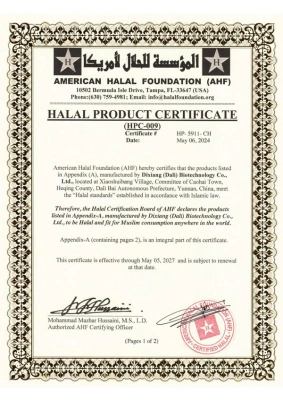
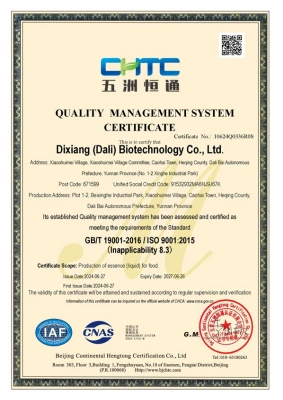
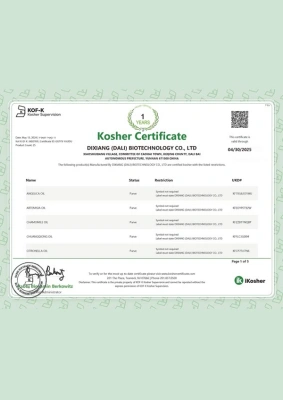
Certification
Precautions
Here are some things to keep in mind when purchasing tea tree essential oil:
1. Quality certification: Make sure the product has a legitimate quality certification, such as a GC-MS (gas chromatography-mass spectrometry) report to verify its purity and composition.
2. Origin and source: Choose a trusted manufacturer, confirm the source of the tea tree, and ensure that its planting and extraction process meets the standards.
3. Storage conditions: Essential oils should be stored in a dark, low-temperature environment to prevent oxidation or deterioration.
4. Packaging and labeling: Pay attention to whether the packaging meets international standards. The label should indicate the purity, production date and expiration date of the essential oil.
5. Batch and supply chain stability: Confirm that the supplier can provide a stable supply chain to ensure the continuity of bulk purchases and product consistency.
These measures can effectively ensure that the quality of the purchased tea tree essential oil meets the requirements and is suitable for long-term use.
Related Products


Contact Us
info@wingengroup.com
+86-21-39652034
+86-17717633275
Address
Room 207, Building 3, No. 2216 Jingao Road, Pudong New Area, Shanghai, China

Description
Tea tree essential oil from China is an essential oil extracted from the leaves of the tea tree (scientific name: Melaleuca alternifolia). It is mainly produced in Australia, but China has also begun to produce this essential oil. Tea tree essential oil is widely used in personal care, skin care, cleaning products and medical fields due to its powerful antibacterial, antiviral, anti-inflammatory and antioxidant properties.
Tea tree essential oil is usually produced in China by steam distillation from the leaves and branches of the tea tree. This essential oil has a fresh, slightly herbal aroma and is often used to relieve skin problems such as acne, wound healing, athlete’s foot, etc. It can also be used as an air freshener.
Key Characteristics
Appearance: Clear to pale yellow liquid with a fresh, camphoraceous odor.
Extraction Method: Steam distillation from the leaves and twigs of the tea tree plant.
Main Components: Terpinen-4-ol, γ-terpinene, α-terpinene, and other monoterpenes.
Benefits of Tea Tree Essential Oil
Tea tree essential oil offers a variety of benefits, primarily due to its potent antibacterial, antifungal, antiviral, anti-inflammatory, and antimicrobial properties. Here are some of the key benefits of tea tree essential oil:
1. Antibacterial and antiviral: Tea tree essential oil is known for its powerful antibacterial, antiviral and antifungal properties and is widely used in skin care and hygiene products.
2. Air Purifier: With a refreshing aroma, it is often used in air fresheners and aromatherapy to help remove bacteria and viruses from the air.
3. Promote skin health: It can help relieve skin problems such as acne and dermatitis, and has anti-inflammatory and antibacterial effects.
4. Immune system support: It helps to enhance immunity and is often used to enhance the body’s natural resistance.
5. Mental relaxation: It can help relieve stress, anxiety, and improve sleep quality.
Tea tree essential oil is a natural and versatile product that is widely used in many fields such as health, personal care and cleaning.

Application of Tea Tree Essential Oil
1. Antimicrobial Properties
Antibacterial: Tea tree essential oil is known for its ability to kill a broad spectrum of bacteria, which makes it effective for preventing and treating infections, including skin infections, acne, and wounds.
Antifungal: It is commonly used to treat fungal infections like athlete’s foot, ringworm, and nail fungus due to its strong antifungal effects.
Antiviral: Tea tree essential oil can help fight viral infections and is sometimes used as a preventive measure during flu season or to reduce the severity of colds and respiratory infections.
2. Supports Skin Health
Acne Treatment: Tea tree essential oil is a natural acne remedy, known for its ability to fight acne-causing bacteria and reduce inflammation, making it a common ingredient in many acne treatments.
Reduces Inflammation: The anti-inflammatory properties of Tea tree essential oil help reduce redness, swelling, and irritation from conditions like eczema, psoriasis, and dermatitis.
Wound Healing: Due to its antiseptic qualities, tea tree oil can be used to disinfect minor cuts, scrapes, and burns, promoting faster healing and preventing infection.
Soothes Itchy Skin: It helps relieve itching caused by insect bites, rashes, and allergies.
3. Promotes Healthy Hair
Dandruff Treatment: Tea tree essential oil is often used in shampoos to treat dandruff and other scalp conditions like seborrheic dermatitis. It helps to balance oil production and remove dead skin cells, improving overall scalp health.
Lice Prevention: Tea tree essential oil can be an effective natural remedy for lice infestations, due to its insecticidal properties.
Stimulates Hair Growth: Some believe that tea tree oil can help promote hair growth by stimulating blood circulation in the scalp, though more research is needed on this benefit.
4. Supports Respiratory Health
Clears Nasal Passages: Tea tree essential oil is often used in steam inhalations or diffusers to help clear nasal passages, reduce sinus congestion, and alleviate symptoms of colds, flu, or allergies.
Treats Cough and Sore Throat: Its antibacterial and antiviral properties make it a good remedy for soothing a sore throat or reducing the severity of a cough.
Air Purification: When used in diffusers, tea tree oil helps purify the air by killing airborne bacteria, viruses, and fungi, making it beneficial for maintaining a clean and healthy indoor environment.
5. Promotes Mental Clarity
Mood Upliftment: Tea tree essential oil has a refreshing, invigorating scent that can help clear the mind, reduce mental fatigue, and promote a feeling of alertness. It’s commonly used in aromatherapy for boosting concentration and mental clarity.
Reduces Stress and Anxiety: When used in a diffuser or applied in a diluted form during massage, tea tree oil can have a calming effect on the body, helping to reduce anxiety and stress.
6. Natural Insect Repellent
Repels Insects: The strong smell of tea tree oil acts as a natural insect repellent, keeping mosquitoes, fleas, and other pests away.
Treats Insect Bites: Tea tree essential oil can be applied topically (when diluted with a carrier oil) to soothe the irritation and inflammation caused by insect bites and stings.
7. Oral Health Benefits
Fights Bad Breath: Tea tree essential oil is a common ingredient in natural mouthwashes and toothpastes. Its antibacterial properties help combat the bacteria that cause bad breath, gum disease, and plaque buildup.
Prevents Gum Disease: Regular use of tea tree oil-based oral care products may help prevent gingivitis and other oral infections by reducing the bacterial load in the mouth.
8. Helps with Pain Relief and Enhances Immune Function
Muscle and Joint Pain: When diluted and massaged into the skin, Tea tree essential oil can help relieve muscle soreness, joint pain, and inflammation due to its anti-inflammatory and analgesic properties.
Headache Relief: Some people find that inhaling tea tree oil or massaging it onto the temples helps alleviate headache symptoms.
Boosts Immunity: The antimicrobial and antiviral properties of tea tree oil can help bolster the immune system, making the body more resistant to infections. This can be particularly beneficial in preventing seasonal illnesses like colds and flu.

Specification
| Testing Items | Standard Requirements | Testing Result | Single Conclusion |
|---|---|---|---|
| Appearance | Colorless to light yellow | Qualified | Confirmed |
| Scent | With a strong herbal fragrance and a slight spicy taste | Qualified | Confirmed |
| Relative Density | 0.885-0.906 g/cm³(20°C) | 0.895 | Confirmed |
| Refractive Index | 1.475-1.482(20°C) | 1.479 | Confirmed |
| Acid Value | ≤1.0 mg KOH/g | 0.35mg KOH/g | Confirmed |
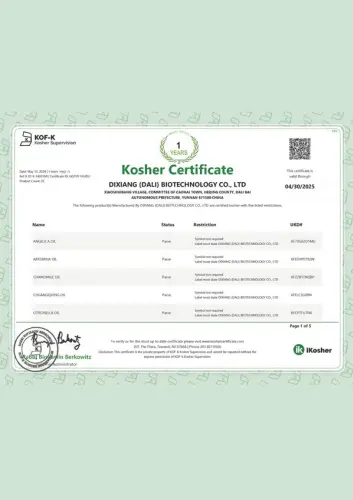
Certification


Precautions
Here are some things to keep in mind when purchasing tea tree essential oil:
1. Quality certification: Make sure the product has a legitimate quality certification, such as a GC-MS (gas chromatography-mass spectrometry) report to verify its purity and composition.
2. Origin and source: Choose a trusted manufacturer, confirm the source of the tea tree, and ensure that its planting and extraction process meets the standards.
3. Storage conditions: Essential oils should be stored in a dark, low-temperature environment to prevent oxidation or deterioration.
4. Packaging and labeling: Pay attention to whether the packaging meets international standards. The label should indicate the purity, production date and expiration date of the essential oil.
5. Batch and supply chain stability: Confirm that the supplier can provide a stable supply chain to ensure the continuity of bulk purchases and product consistency.
These measures can effectively ensure that the quality of the purchased tea tree essential oil meets the requirements and is suitable for long-term use.