Mugwort Essential Oil
Mugwort Essential Oil
Mugwort essential oil is an essential oil extracted from the leaves and flowers of wormwood (Artemisia vulgaris).Please make sure to contact us at info@wingengroup.com if you have demand of this product, we will feedback back to you within 12 hours.


Main Assay:Mugwort Essential Oil
CAS No.:8022-37-5
MOQ:25.0KGS
Quality Control
All goods we carry are manufactured with the best quality,leading the quality of life and fashion trends.










Mugwort Essential Oil
Mugwort essential oil is an essential oil extracted from the leaves and flowers of wormwood (Artemisia vulgaris).Please make sure to contact us at info@wingengroup.com if you have demand of this product, we will feedback back to you within 12 hours.
Main Assay:
CAS No.:
MOQ:
Mugwort Essential Oil
8022-37-5
25.0KGS
Quality Control
All goods we carry are manufactured with the best quality,leading the quality of life and fashion trends.








Description
Mugwort Essential Oil is a high-quality essential oil derived from the Artemisia vulgaris plant, specifically cultivated and harvested in China. This variety of mugwort is known for its unique therapeutic properties, which have been utilized in traditional Chinese medicine for centuries. The oil is extracted from the leaves and flowering tops of the mugwort plant, typically through steam distillation, to preserve its potent aromatic and healing compounds.
China has a long history of using mugwort for its medicinal, spiritual, and culinary benefits, and the essential oil is no exception. The growing interest in natural remedies and aromatherapy has brought China Mugwort Essential Oil into the global market, where it is recognized for its exceptional purity and potency.
Characteristics of Mugwort Essential Oil
1. Aroma: The scent of China Mugwort Essential Oil is rich, herbal, and slightly bitter, with earthy and woody undertones. It also has a subtle, almost sweet or anise-like fragrance, which makes it both calming and refreshing. This distinctive aroma is highly valued in aromatherapy for its ability to promote relaxation and mental clarity.
2. Color: The oil typically appears pale yellow to light green, reflecting its plant origin and the distillation process.
3. Chemical Composition: The primary active compounds in China Mugwort Essential Oil include thujone, camphor, cineole, beta-pinene, and other terpenes. These components contribute to the oil’s antiseptic, anti-inflammatory, digestive, and calming properties.
Application of Mugwort Essential Oil
Mugwort Essential Oil, with its various therapeutic effects and natural properties, can be used in a wide range of products. Below are some common application areas:
1. Aromatherapy Products
Air Fresheners: Mugwort essential oil has antibacterial and antifungal properties, making it a great ingredient for air fresheners to purify indoor air.
Diffusers and Aromatherapy Oils: Used in aromatherapy to alleviate stress, anxiety, and promote relaxation.
Sleep Sprays: Commonly used in sleep and relaxation sprays to help improve sleep quality.
2. Skincare Products
Creams and Lotions: With its anti-inflammatory and soothing properties, mugwort essential oil is an ideal ingredient for calming sensitive, inflamed, and irritated skin.
Masks and Cleansing Products: Used in deep-cleansing skincare products to help with acne, allergies, and other skin issues.
Body Lotions and Massage Oils: Its relaxing and soothing effects make it a popular ingredient in body care products, including massage oils.
3. Personal Care Products
Shampoos and Conditioners: Can be used to improve scalp health and relieve issues like dandruff and dryness.
Oral Care: Used in natural mouthwashes to help cleanse the mouth and reduce bacteria.
Pain Relief Patches and Balms: Used in topical products such as pain relief balms or patches for muscle and joint pain.
4. Health and Wellness Products
Digestive Supplements: Mugwort essential oil can be added to digestive health products to help with indigestion, bloating, and other digestive issues.
Menstrual Care Products: Mugwort essential oil can help regulate the menstrual cycle and alleviate menstrual cramps, often included in women’s health products.
Immune Support Products: With its antibacterial and immune-boosting properties, it is suitable for use in supplements that support immune health.
5. Household Cleaning Products
Natural Cleaners: Due to its antibacterial properties, mugwort essential oil can be used as an ingredient in natural cleaning products, especially for disinfecting and surface cleaning.
Laundry Detergents: It can be added to laundry detergents or fabric softeners to help disinfect and provide a fresh scent to clothes.
6. Food and Beverages (When Used in Moderation)
Herbal Beverages: Mugwort essential oil can be used in herbal teas to improve digestion and provide a calming effect.
Food Additives: It can be used as a flavoring agent in some natural health foods, but care must be taken to ensure the usage is within safe limits.
7. Pet Care Products
Pet Sprays: Mugwort essential oil can be included in pet care products like sprays and bath liquids to help disinfect and keep pets’ fur fresh.
Insect Repellents: Mugwort essential oil has natural insect-repellent properties and is used in pet insect repellent sprays.
Mugwort essential oil’s multifunctional properties make it suitable for a variety of product categories, especially in aromatherapy, skincare, health, and cleaning products. It is widely used in formulations for natural, plant-based, and organic products.
Specification
| Testing Items | Standard Requirements | Testing Result | Single Conclusion |
|---|---|---|---|
| Appearance | Light blue or dark blue transparent liquid | Qualified | Confirmed |
| Scent | It has a strong aroma of mugwort, along with the scents of herbs and camphor. | Qualified | Confirmed |
| Relative Density | 0.910- 0.940 | 0.9236 | Confirmed |
| Refractive Index | 1.470~1.490 | 1.480 | Confirmed |
| Acid Value | ≤1.0 mg KOH/g | 0.35mg KOH/g | Confirmed |
| Saponification Value | 180~220 mg KOH/g | 190mg KOH/g | Confirmed |
| Peroxide Value | ≤10 meq/kg | 3.5meq/kg | Confirmed |
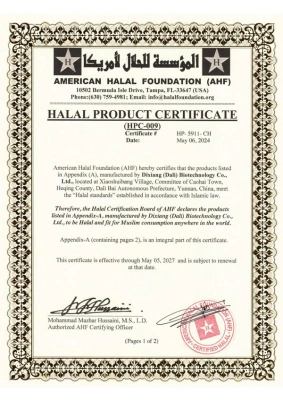
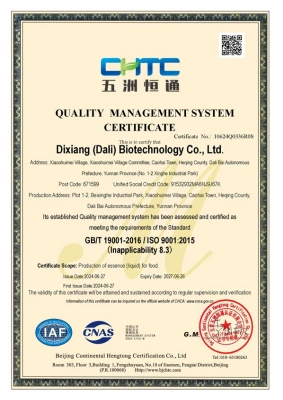
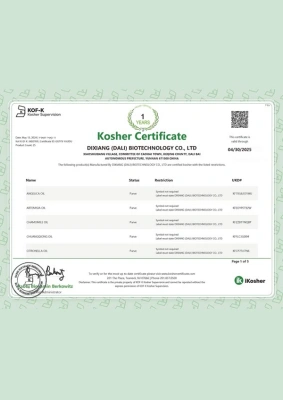
Certification
Precautions
When purchasing mugwort essential oil for factory use, consider the following precautions:
1. Purity & Quality: Ensure the oil is 100% pure and of high quality, with no adulterants or fillers. Request a Certificate of Analysis (COA) to confirm its purity.
2. Source & Origin: Verify the origin of the mugwort oil to ensure it meets industry standards for essential oils. The plant’s cultivation practices (e.g., organic, pesticide-free) should also be checked.
3. Extraction Method: Mugwort essential oil is typically extracted by steam distillation. Confirm this method to ensure the best quality oil, as other methods may compromise its integrity.
4. Storage & Packaging: Ensure proper storage and packaging to maintain the oil’s potency. It should be stored in dark glass bottles to protect it from light and air, and the oil should be sealed tightly.
5. Compliance: Check if the oil complies with regulatory standards in your country, such as the ISO standards for essential oils or other relevant certifications.
6. Shelf Life: Confirm the shelf life of the essential oil, as it can degrade over time. Ensure the oil has a reasonable expiration date for use in manufacturing.
7. Safety & Handling: Ensure proper handling procedures and safety data are provided, as mugwort oil may have potent effects.
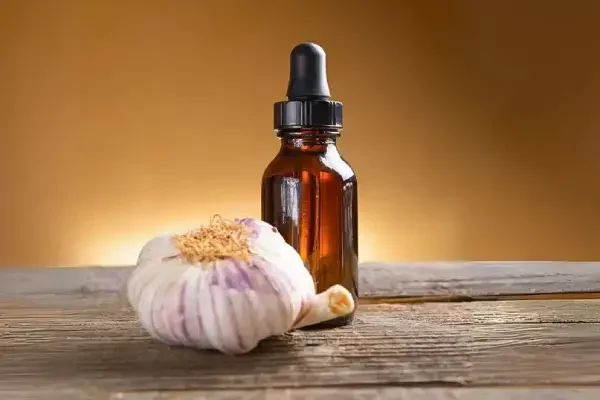
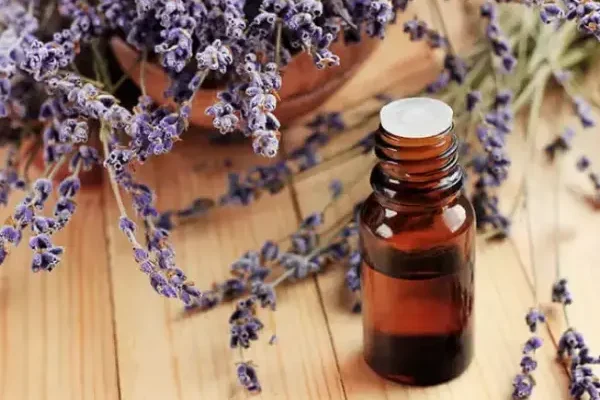
Related Products


Contact Us
info@wingengroup.com
+86-21-39652034
+86-17717633275
Address
Room 207, Building 3, No. 2216 Jingao Road, Pudong New Area, Shanghai, China

Description
Mugwort Essential Oil is a high-quality essential oil derived from the Artemisia vulgaris plant, specifically cultivated and harvested in China. This variety of mugwort is known for its unique therapeutic properties, which have been utilized in traditional Chinese medicine for centuries. The oil is extracted from the leaves and flowering tops of the mugwort plant, typically through steam distillation, to preserve its potent aromatic and healing compounds.
China has a long history of using mugwort for its medicinal, spiritual, and culinary benefits, and the essential oil is no exception. The growing interest in natural remedies and aromatherapy has brought China Mugwort Essential Oil into the global market, where it is recognized for its exceptional purity and potency.
Characteristics of Mugwort Essential Oil
1. Aroma: The scent of China Mugwort Essential Oil is rich, herbal, and slightly bitter, with earthy and woody undertones. It also has a subtle, almost sweet or anise-like fragrance, which makes it both calming and refreshing. This distinctive aroma is highly valued in aromatherapy for its ability to promote relaxation and mental clarity.
2. Color: The oil typically appears pale yellow to light green, reflecting its plant origin and the distillation process.
3. Chemical Composition: The primary active compounds in China Mugwort Essential Oil include thujone, camphor, cineole, beta-pinene, and other terpenes. These components contribute to the oil’s antiseptic, anti-inflammatory, digestive, and calming properties.

Application of Mugwort Essential Oil
Mugwort Essential Oil, with its various therapeutic effects and natural properties, can be used in a wide range of products. Below are some common application areas:
1. Aromatherapy Products
Air Fresheners: Mugwort essential oil has antibacterial and antifungal properties, making it a great ingredient for air fresheners to purify indoor air.
Diffusers and Aromatherapy Oils: Used in aromatherapy to alleviate stress, anxiety, and promote relaxation.
Sleep Sprays: Commonly used in sleep and relaxation sprays to help improve sleep quality.
2. Skincare Products
Creams and Lotions: With its anti-inflammatory and soothing properties, mugwort essential oil is an ideal ingredient for calming sensitive, inflamed, and irritated skin.
Masks and Cleansing Products: Used in deep-cleansing skincare products to help with acne, allergies, and other skin issues.
Body Lotions and Massage Oils: Its relaxing and soothing effects make it a popular ingredient in body care products, including massage oils.
3. Personal Care Products
Shampoos and Conditioners: Can be used to improve scalp health and relieve issues like dandruff and dryness.
Oral Care: Used in natural mouthwashes to help cleanse the mouth and reduce bacteria.
Pain Relief Patches and Balms: Used in topical products such as pain relief balms or patches for muscle and joint pain.
4. Health and Wellness Products
Digestive Supplements: Mugwort essential oil can be added to digestive health products to help with indigestion, bloating, and other digestive issues.
Menstrual Care Products: Mugwort essential oil can help regulate the menstrual cycle and alleviate menstrual cramps, often included in women’s health products.
Immune Support Products: With its antibacterial and immune-boosting properties, it is suitable for use in supplements that support immune health.
5. Household Cleaning Products
Natural Cleaners: Due to its antibacterial properties, mugwort essential oil can be used as an ingredient in natural cleaning products, especially for disinfecting and surface cleaning.
Laundry Detergents: It can be added to laundry detergents or fabric softeners to help disinfect and provide a fresh scent to clothes.
6. Food and Beverages (When Used in Moderation)
Herbal Beverages: Mugwort essential oil can be used in herbal teas to improve digestion and provide a calming effect.
Food Additives: It can be used as a flavoring agent in some natural health foods, but care must be taken to ensure the usage is within safe limits.
7. Pet Care Products
Pet Sprays: Mugwort essential oil can be included in pet care products like sprays and bath liquids to help disinfect and keep pets’ fur fresh.
Insect Repellents: Mugwort essential oil has natural insect-repellent properties and is used in pet insect repellent sprays.
Mugwort essential oil’s multifunctional properties make it suitable for a variety of product categories, especially in aromatherapy, skincare, health, and cleaning products. It is widely used in formulations for natural, plant-based, and organic products.

Specification
| Testing Items | Standard Requirements | Testing Result | Single Conclusion |
|---|---|---|---|
| Appearance | Light blue or dark blue transparent liquid | Qualified | Confirmed |
| Scent | It has a strong aroma of mugwort, along with the scents of herbs and camphor. | Qualified | Confirmed |
| Relative Density | 0.910- 0.940 | 0.9236 | Confirmed |
| Refractive Index | 1.470~1.490 | 1.480 | Confirmed |
| Acid Value | ≤1.0 mg KOH/g | 0.35mg KOH/g | Confirmed |
| Saponification Value | 180~220 mg KOH/g | 190mg KOH/g | Confirmed |
| Peroxide Value | ≤10 meq/kg | 3.5meq/kg | Confirmed |
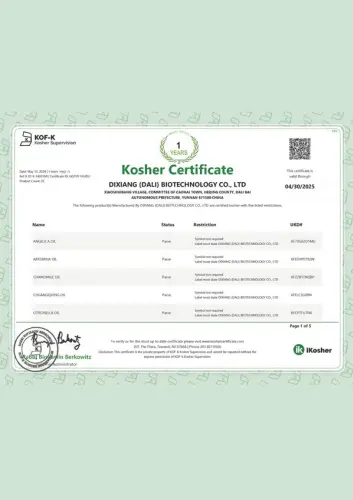
Certification


Precautions
When purchasing mugwort essential oil for factory use, consider the following precautions:
1. Purity & Quality: Ensure the oil is 100% pure and of high quality, with no adulterants or fillers. Request a Certificate of Analysis (COA) to confirm its purity.
2. Source & Origin: Verify the origin of the mugwort oil to ensure it meets industry standards for essential oils. The plant’s cultivation practices (e.g., organic, pesticide-free) should also be checked.
3. Extraction Method: Mugwort essential oil is typically extracted by steam distillation. Confirm this method to ensure the best quality oil, as other methods may compromise its integrity.
4. Storage & Packaging: Ensure proper storage and packaging to maintain the oil’s potency. It should be stored in dark glass bottles to protect it from light and air, and the oil should be sealed tightly.
5. Compliance: Check if the oil complies with regulatory standards in your country, such as the ISO standards for essential oils or other relevant certifications.
6. Shelf Life: Confirm the shelf life of the essential oil, as it can degrade over time. Ensure the oil has a reasonable expiration date for use in manufacturing.
7. Safety & Handling: Ensure proper handling procedures and safety data are provided, as mugwort oil may have potent effects.