Matcha Powder

Matcha Powder

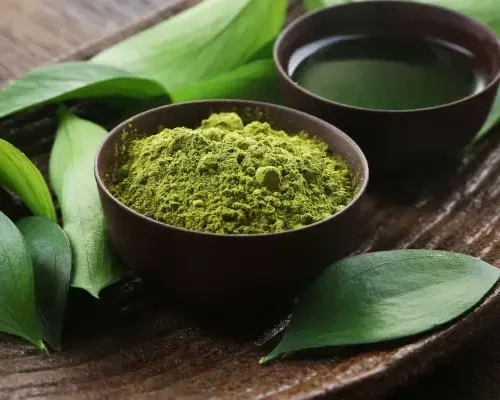
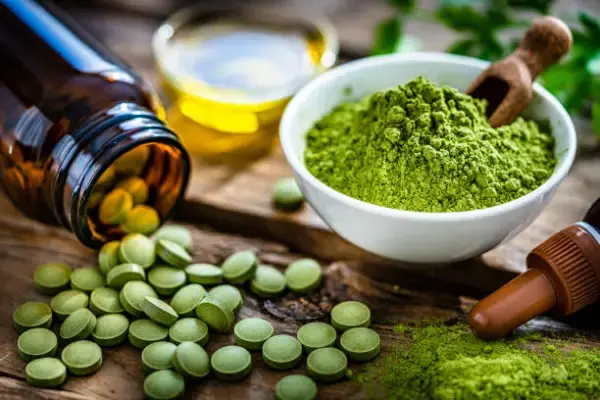
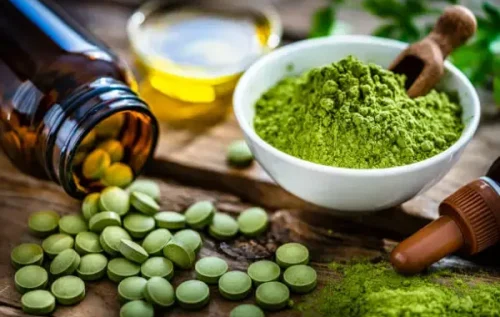
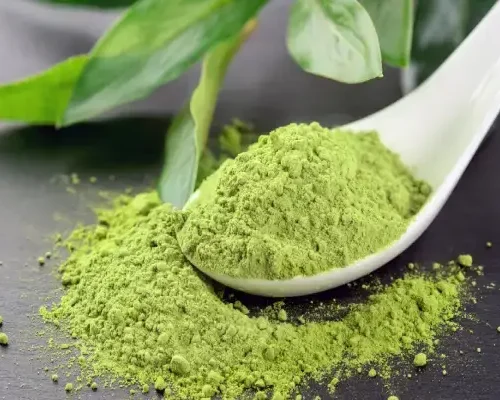
Matcha powder is a powder made from high-quality green tea leaves, commonly used in drinks, desserts, and cooking. Unlike traditional green tea, matcha is made by grinding the entire green tea leaf into a very fine powder and then stirring it with hot water. Because the entire leaf is consumed, matcha provides more nutrients than regular green tea.Please make sure to contact us at info@wingengroup.com if you have demand of this product, we will feedback back to you within 12 hours.

Main Assay:Matcha Powder

CAS No.:84650-60-2

MOQ:25KGs

Quality Control

All goods we carry are manufactured with the best quality,leading the quality of life and fashion trends.

Matcha Powder

Matcha powder is a powder made from high-quality green tea leaves, commonly used in drinks, desserts, and cooking. Unlike traditional green tea, matcha is made by grinding the entire green tea leaf into a very fine powder and then stirring it with hot water. Because the entire leaf is consumed, matcha provides more nutrients than regular green tea.Please make sure to contact us at info@wingengroup.com if you have demand of this product, we will feedback back to you within 12 hours.

Main Assay:

CAS No.:

MOQ:

Matcha Powder

84650-60-2

25KGs

Quality Control

All goods we carry are manufactured with the best quality,leading the quality of life and fashion trends.

Description

Matcha powder is a finely ground, vibrant green powder made from specially grown and processed green tea leaves. It is traditionally used in Japanese tea ceremonies, but its popularity has spread worldwide due to its unique taste, health benefits, and versatility in various food and beverage applications.


Key Characteristics


Source: Matcha is mainly made from green tea leaves (especially “tencha”) cultivated in Japan. These tea leaves are usually shaded a few weeks before picking to promote the increase of chlorophyll and enhance the bright green color of the tea leaves.


Production process: After picking, the tea leaves are steamed to stop the oxidation process and then dried. Finally, these dried tea leaves are ground into a fine powder to preserve their freshness and nutrients.


Nutritional value: Matcha is rich in antioxidants (such as EGCG), vitamins, minerals, and fiber. It provides more nutrition than ordinary green tea because it is a powder of whole tea leaves.


Taste: Matcha has a unique taste, with a fresh tea aroma and a hint of bitterness. It usually has a strong taste, so it often needs to be paired with sweetness when consumed.


Matcha powder is celebrated for its rich flavor, nutritional benefits, and versatility in various culinary applications.


Nutritional Value of Matcha Powder


Matcha powder is considered one of the healthiest teas due to its high concentration of beneficial compounds:


1. Antioxidants: Matcha is packed with catechins, particularly EGCG (Epigallocatechin gallate), which is a powerful antioxidant known for its potential anti-cancer, anti-inflammatory, and heart-protective benefits.


2. Caffeine: Matcha contains caffeine, though in a much lower quantity compared to coffee. The caffeine in matcha is gradually absorbed, offering a more sustained energy boost without the jitters often associated with coffee.


3. L-theanine: This amino acid helps balance the stimulating effects of caffeine, providing a calm yet focused energy.


4. Vitamins & Minerals: It is rich in vitamin C, potassium, calcium, and iron.


Health Benefits


Boosts Metabolism: Matcha has been shown to help with fat burning and boosting metabolism due to its high antioxidant content, particularly EGCG.


Enhances Focus and Alertness: Thanks to L-theanine, matcha provides a state of calm focus, which makes it popular among students, professionals, and people looking to improve their productivity.


Detoxifies the Body: Matcha’s high chlorophyll content is said to help with detoxifying the body by removing heavy metals and toxins.


Supports Heart Health: The antioxidants in matcha can help reduce bad cholesterol levels and improve blood circulation, thus supporting heart health.


Rich in Fiber: Because matcha is made from whole tea leaves, it contains more fiber compared to traditional green tea.


Flavor Profile

Matcha powder has a unique flavor that can range from mildly sweet to slightly bitter, with rich umami notes. The flavor can vary depending on the grade:

Ceremonial Grade: Smooth, delicate, and slightly sweet with minimal bitterness.


Culinary Grade: More robust and bitter, which is ideal for mixing with other ingredients in drinks and desserts.

Specification

ItemRequirementsResultsTest Method
AppearanceGreen medium fine powderConformsOrganoleptic Evaluation
Aroma and FlavourWith fresh tea leaf note taste and sea
weed odour
ConformsOrganoleptic Evaluation
Liquor ColourBright GreenConformsOrganoleptic Evaluation
IdentificationPositive byTLCConformsTLC
Particle sizeMT95% through 200 mesh
MT60% through 1000 mesh
ConformsSieve Analysisi
Bulk Density, g/LFree Flow: 250-
350g/L
305GB/T18798.5-2013
Loss on drying, %LT 6.0%5.18%3 hours@105℃
Ash/Residue on Ignition, %LT 8.0%5.9%GB 5009.3-2016
Polyphenols, %MT 8.0%13.5%GB/T8313-2018
CatechinsReported9.82%GB/T8313-2018
L-theanineReported1.42%HPLC
Caffeine, %MT24.3%GB/T8313-2018
Lead(Pb)LT3ppm0.683ppmGB5009.12-2017(AAS)
Arsenic (As)LT2ppm0.214ppmGB5009.11-2014(AFS)
Mercury(Hg)LT0.1ppm0ppmGB5009.17-2014(AFS)
Cadmium(Cd)LT1ppm0.049ppmGB5009.15-2014(AAS)
Total Plate CountLT10,000 cfu/gLT5000 cfu/gISO 4833-1-2013
Moulds and YeastsLT300 cfu/g50 cfu/gGB4789.15-2016
EnterobacteriaceaeLT10 cfu/gLT10 cfu/gGB4789.3-2016
E.coliAbsent/gAbsent/gISO 16649-2-2001
SalmonellaAbsent/10gAbsent/10gGB4789.4-2016
Staphylococcus aureusAbsent/10gAbsent/10gGB4789.10-2016

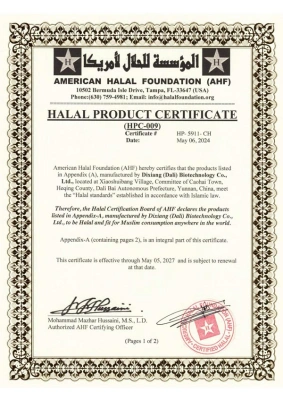
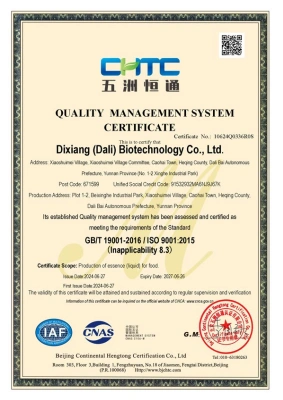
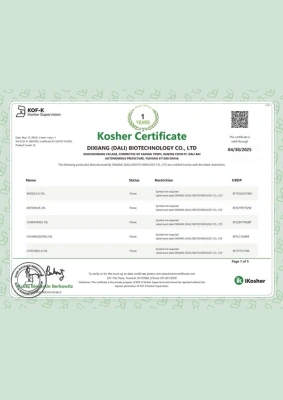
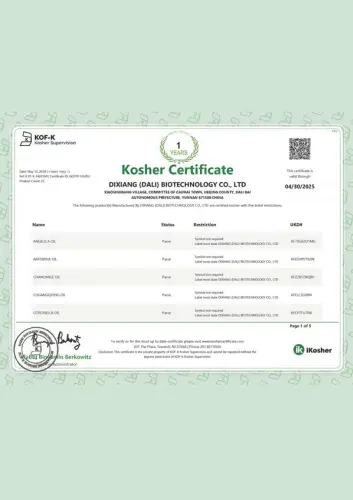
Certification

Difference of Matcha powder and Green tea powder

CharacteristicMatcha PowderGreen Tea Powder
SourceMade from high-quality shade-grown tea leaves, specifically the "tencha" varietyMade from regular tea leaves that are not shade-grown
Leaf ProcessingUses whole leaves, including stems and veins, providing rich nutrientsUses young or cut leaves, with fewer nutrients compared to matcha
ColorBright green color, rich in chlorophyllLight green or yellowish-green color
FlavorRich, umami (savory) flavor with a mild bitternessLight flavor, can be slightly bitter or grassy
Caffeine ContentHigher caffeine content (but lower than coffee), provides steady energyLower caffeine content, offers a mild boost of alertness
Nutritional ValueHigh in antioxidants, amino acids, chlorophyll, and dietary fiberContains antioxidants but generally in lower amounts than matcha
UsageCommonly used in tea, desserts, drinks, and baking; can be consumed directlyUsed in regular tea, drinks, and sometimes in baking; typically needs to be brewed
Health BenefitsStrong antioxidants, boosts metabolism, enhances focus, strengthens immunityAntioxidants, improves metabolism, stress relief, ideal for daily consumption
StorageShould be stored in a sealed container, kept away from light and air, ideally refrigeratedShould be stored in a sealed container, away from moisture and light
Processing MethodSpecial shading cultivation and fine milling processRegular cultivation and milling process

Related Products

Contact Us

+86-21-58930128
          info@wingengroup.com
+86-21-39652034
+86-17717633275

Address

Room 207, Building 3, No. 2216 Jingao Road, Pudong New Area, Shanghai, China

Description

Matcha powder is a finely ground, vibrant green powder made from specially grown and processed green tea leaves. It is traditionally used in Japanese tea ceremonies, but its popularity has spread worldwide due to its unique taste, health benefits, and versatility in various food and beverage applications.

Key Characteristics

Source: Matcha is mainly made from green tea leaves (especially “tencha”) cultivated in Japan. These tea leaves are usually shaded a few weeks before picking to promote the increase of chlorophyll and enhance the bright green color of the tea leaves.

Production process: After picking, the tea leaves are steamed to stop the oxidation process and then dried. Finally, these dried tea leaves are ground into a fine powder to preserve their freshness and nutrients.

Nutritional value: Matcha is rich in antioxidants (such as EGCG), vitamins, minerals, and fiber. It provides more nutrition than ordinary green tea because it is a powder of whole tea leaves.

Taste: Matcha has a unique taste, with a fresh tea aroma and a hint of bitterness. It usually has a strong taste, so it often needs to be paired with sweetness when consumed.

Matcha powder is celebrated for its rich flavor, nutritional benefits, and versatility in various culinary applications.

Nutritional Value of Matcha Powder


Matcha powder is considered one of the healthiest teas due to its high concentration of beneficial compounds:

1. Antioxidants: Matcha is packed with catechins, particularly EGCG (Epigallocatechin gallate), which is a powerful antioxidant known for its potential anti-cancer, anti-inflammatory, and heart-protective benefits.

2. Caffeine: Matcha contains caffeine, though in a much lower quantity compared to coffee. The caffeine in matcha is gradually absorbed, offering a more sustained energy boost without the jitters often associated with coffee.

3. L-theanine: This amino acid helps balance the stimulating effects of caffeine, providing a calm yet focused energy.

4. Vitamins & Minerals: It is rich in vitamin C, potassium, calcium, and iron.

Health Benefits

Boosts Metabolism: Matcha has been shown to help with fat burning and boosting metabolism due to its high antioxidant content, particularly EGCG.

Enhances Focus and Alertness: Thanks to L-theanine, matcha provides a state of calm focus, which makes it popular among students, professionals, and people looking to improve their productivity.

Detoxifies the Body: Matcha’s high chlorophyll content is said to help with detoxifying the body by removing heavy metals and toxins.

Supports Heart Health: The antioxidants in matcha can help reduce bad cholesterol levels and improve blood circulation, thus supporting heart health.

Rich in Fiber: Because matcha is made from whole tea leaves, it contains more fiber compared to traditional green tea.

Flavor Profile

Matcha powder has a unique flavor that can range from mildly sweet to slightly bitter, with rich umami notes. The flavor can vary depending on the grade:

Ceremonial Grade: Smooth, delicate, and slightly sweet with minimal bitterness.

Culinary Grade: More robust and bitter, which is ideal for mixing with other ingredients in drinks and desserts.
Specification

ItemRequirementsResultsTest Method
AppearanceGreen medium fine powderConformsOrganoleptic Evaluation
Aroma and FlavourWith fresh tea leaf note taste and sea
weed odour
ConformsOrganoleptic Evaluation
Liquor ColourBright GreenConformsOrganoleptic Evaluation
IdentificationPositive byTLCConformsTLC
Particle sizeMT95% through 200 mesh
MT60% through 1000 mesh
ConformsSieve Analysisi
Bulk Density, g/LFree Flow: 250-
350g/L
305GB/T18798.5-2013
Loss on drying, %LT 6.0%5.18%3 hours@105℃
Ash/Residue on Ignition, %LT 8.0%5.9%GB 5009.3-2016
Polyphenols, %MT 8.0%13.5%GB/T8313-2018
CatechinsReported9.82%GB/T8313-2018
L-theanineReported1.42%HPLC
Caffeine, %MT24.3%GB/T8313-2018
Lead(Pb)LT3ppm0.683ppmGB5009.12-2017(AAS)
Arsenic (As)LT2ppm0.214ppmGB5009.11-2014(AFS)
Mercury(Hg)LT0.1ppm0ppmGB5009.17-2014(AFS)
Cadmium(Cd)LT1ppm0.049ppmGB5009.15-2014(AAS)
Total Plate CountLT10,000 cfu/gLT5000 cfu/gISO 4833-1-2013
Moulds and YeastsLT300 cfu/g50 cfu/gGB4789.15-2016
EnterobacteriaceaeLT10 cfu/gLT10 cfu/gGB4789.3-2016
E.coliAbsent/gAbsent/gISO 16649-2-2001
SalmonellaAbsent/10gAbsent/10gGB4789.4-2016
Staphylococcus aureusAbsent/10gAbsent/10gGB4789.10-2016

Certification

Difference of Matcha powder and Green tea powder

CharacteristicMatcha PowderGreen Tea Powder
SourceMade from high-quality shade-grown tea leaves, specifically the "tencha" varietyMade from regular tea leaves that are not shade-grown
Leaf ProcessingUses whole leaves, including stems and veins, providing rich nutrientsUses young or cut leaves, with fewer nutrients compared to matcha
ColorBright green color, rich in chlorophyllLight green or yellowish-green color
FlavorRich, umami (savory) flavor with a mild bitternessLight flavor, can be slightly bitter or grassy
Caffeine ContentHigher caffeine content (but lower than coffee), provides steady energyLower caffeine content, offers a mild boost of alertness
Nutritional ValueHigh in antioxidants, amino acids, chlorophyll, and dietary fiberContains antioxidants but generally in lower amounts than matcha
UsageCommonly used in tea, desserts, drinks, and baking; can be consumed directlyUsed in regular tea, drinks, and sometimes in baking; typically needs to be brewed
Health BenefitsStrong antioxidants, boosts metabolism, enhances focus, strengthens immunityAntioxidants, improves metabolism, stress relief, ideal for daily consumption
StorageShould be stored in a sealed container, kept away from light and air, ideally refrigeratedShould be stored in a sealed container, away from moisture and light
Processing MethodSpecial shading cultivation and fine milling processRegular cultivation and milling process

Related Products

滚动至顶部

Leave your details below, and Get a Free Quote