

What Is Lavender Oil?
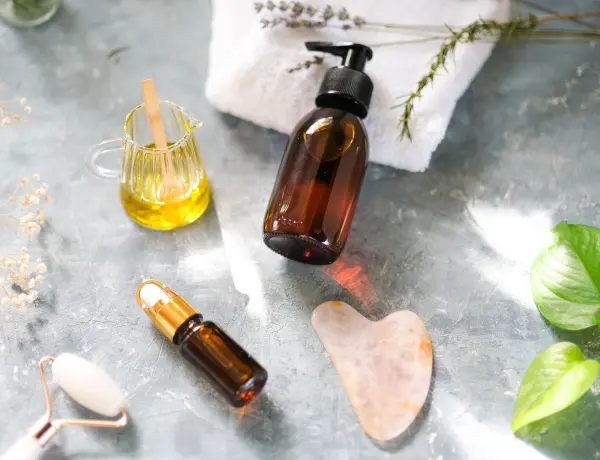
Lavender oil is a fragrant, volatile oil extracted from fresh lavender flower buds using steam distillation. It ranges from clear to pale yellow and has that soft, sweet floral scent we all know. Its power comes from its complex mix of natural compounds, mainly linalool and linalyl acetate.
Most people know lavender oil for calming nerves and supporting better sleep in aromatherapy. But scientists are also taking a close look at its potential to help with hair growth.
How Lavender Oil May Support Hair Growth
Research points to several key ways lavender oil works on your scalp and hair follicles:
Boosts key hair‑growth factors
This is its biggest hair‑growth mechanism. Studies show lavender oil ramps up several critical growth signals inside hair follicles.
Keratinocyte growth factor (KGF) & Hepatocyte growth factor (HGF): These trigger hair‑follicle cells to multiply and mature — basically sending the signal for hair to start growing.Insulin‑like growth factor‑1 (IGF‑1) & Vascular endothelial growth factor (VEGF): IGF‑1 feeds follicles to keep them healthy. VEGF improves blood vessel formation around follicles, so hair gets more oxygen and nutrients.
Improves hair‑follicle structure
In animal tests, lavender oil changed how follicles look under a microscope. Test subjects grew more hair follicles; follicles sat deeper in skin, and the dermal skin layer thickened. All of this creates a healthier foundation for hair to thrive.
Antioxidant & anti‑scalp‑irritation protection
Oxidative damage to scalp cells is one common cause of hair loss. Lavender oil fights harmful reactive oxygen species in hair‑follicle dermal papilla cells. It cuts down cell damage caused by UV light and keeps follicles working properly. Its anti‑inflammatory and antibacterial properties also help balance overall scalp health.
Kicks follicles into active growth mode
Studies show lavender oil lowers the number of overactive mast cells in your scalp. Mast cells release histamine and other substances that slow hair growth. Fewer of these cells means hair can stay in its active growth phase longer.
What the Research Shows
Here is a quick breakdown of notable findings, mostly from animal studies:
Growth‑factor activity: KGF mRNA levels rose 10‑15%; IGF‑1 mRNA rose 21‑29%; HGF mRNA rose 14‑36%.Skin‑tissue changes: More hair follicles, deeper follicles, and thicker dermal tissue.Hair‑length results: When delivered via special nano‑carrier formulations, lavender oil increased average hair length by 132% compared to placebo.
Important note: Most of these results come from animal lab models. Human scalps are far more complex, and results will differ from person to person. Even so, existing research makes lavender oil a very promising natural ingredient for scalp care and hair support.
How Rosemary Oil Works for Hair Growth
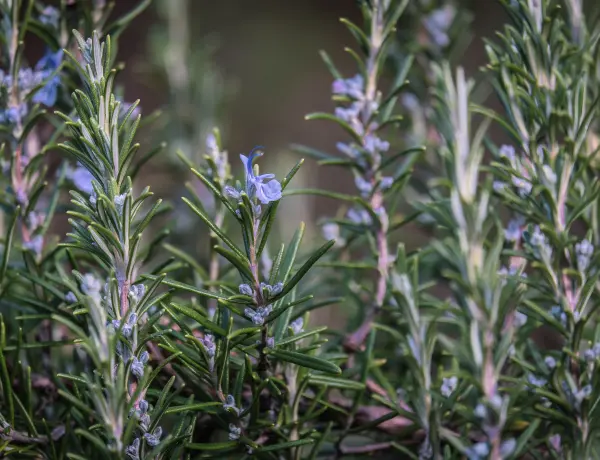
Rosemary oil comes from steam‑distilled leaves and flowers of Rosmarinus officinalis. Its main active compounds include α‑pinene, camphor, verbascoside, and borneol, which create its unique biological effects.
When it comes to hair growth, rosemary oil is one of the most well‑studied natural essential oils available. Some of its effects even hold up against popular over‑the‑counter hair‑loss treatments.
Rosemary Oil’s Hair‑Growth Mechanisms
It targets multiple drivers of androgenetic alopecia (AGA, common hereditary hair loss):
Blocks DHT production (key difference from lavender oil)
This is rosemary oil’s superpower. It inhibits 5α‑reductase — the enzyme that turns testosterone into DHT, the hormone that shrinks hair follicles. By lowering DHT levels, it helps shield follicles from hormone‑driven damage. That is why it shows real promise for hereditary hair loss.
Boosts scalp blood flow
Rosemary oil increases blood flow through tiny scalp capillaries. More blood means more oxygen and nutrients reach follicles, setting the stage for healthier hair.
Turns on hair‑growth signals
Animal research found topical rosemary oil raises skin‑tissue IGF‑1 levels — a major biological trigger telling follicles “start growing hair”.
Fights scalp damage and inflammation
Just like other beneficial essential oils, rosemary oil neutralizes scalp free radicals, eases follicle inflammation, and supports a balanced scalp environment.
Key Research Findings
The most famous study on rosemary oil is a 2015 clinical trial comparing it directly against minoxidil, a widely used hair‑growth drug.
Similar results to minoxidil: 100 people with androgenetic alopecia took part. One group used 2% minoxidil; the other used rosemary oil. After six months, both groups saw noticeably thicker hair. There was no meaningful statistical gap between the two groups’ hair‑growth results. This means rosemary oil can deliver comparable benefits to low‑strength minoxidil.Milder side effects: Scalp itchiness was the main complaint for both groups — but it happened less often with rosemary oil than minoxidil.
New Research & Real‑World Use Tips
Scientists keep uncovering new ways to use rosemary oil. One newer study mixed rosemary oil with quercetin and adenosine inside special nanoemulsion droplets. This blend activated the Wnt/β‑catenin biological pathway to help regenerate hair follicles. This shows modern product formulation can unlock even more of rosemary oil’s hair‑supporting potential.
Critical safety reminder Never apply undiluted rosemary oil straight onto your scalp. Always mix it with carrier oils like jojoba or coconut oil. Research uses concentrations around 3.7 mg/mL or up to 3%. Always run a skin‑sensitivity patch test before full‑scalp use.
Lavender Oil vs Rosemary Oil for Hair Growth
Neither oil is universally “better”. Your hair‑loss cause decides which fits you best. They work through completely separate biological pathways — so it is less of a winner‑takes‑all contest and more about matching the remedy to your issue.
Quick cheat sheet:
Hereditary hair loss (slow thinning on top of your head): rosemary oil is the better fit.Hair loss tied to stress, scalp irritation, or environmental damage: lavender oil may work better for you.
Core Mechanism Side‑by‑Side
Rosemary Oil
Main goal: Block DHT to fight hereditary hair loss by inhibiting 5α‑reductase.Best‑for hair loss: Androgenetic alopecia (AGA).How it acts: Hormone balance + improved scalp blood flow.Key actives: α‑pinene, camphor and other DHT‑inhibiting compounds.
Lavender Oil
Main goal: Trigger growth factors + calm scalp inflammation. Improves your scalp’s overall micro‑environment.Best‑for hair loss: Stress‑related shedding, scalp irritation, oxidative‑damage‑driven hair loss.How it acts: Growth‑factor signaling + antioxidant / anti‑inflammatory effects.Key actives: linalool, linalyl acetate, which drive growth‑factor activation.
What Research Says About Each
Rosemary oil’s standout proof: Human clinical trials show it delivers hair‑growth results comparable to 2% minoxidil for people with hereditary hair loss. This makes it one of the most respected natural alternatives for genetic thinning.
Lavender oil’s strengths: Animal studies confirm it boosts follicle count, deepens follicles, and thickens dermal skin. In one nano‑carrier animal test, lavender oil increased hair length by 132% versus control. Mixed‑essential‑oil blends containing lavender also showed encouraging results in alopecia research. Keep in mind: strong human‑only‑lavender data is still limited.
Better Together: The Synergy Effect
Even though they work differently, studies often test lavender and rosemary oil together — and the combined results look promising.
One 2025 animal study tested a nano‑emulsion blend of lavender, rosemary and mint oils. It hit a 73.33% hair‑regrowth rate by day 14, nearly matching 2% minoxidil’s 76.66%.A separate 2025 human clinical trial also looked at a lavender‑rosemary blended oil.
For most people, picking a well‑formulated blended product may be simpler and more well‑rounded than forcing yourself to choose just one oil.
Practical Recommendations
Confirmed hereditary hair loss: Prioritize products centered around rosemary oil.Shedding from stress, sensitive or irritated scalp: Lean toward lavender‑based options.Unsure what is causing your hair loss, or want broad‑spectrum support: Try a rosemary‑lavender blend.
Do Lavender & Rosemary Oil Actually Regrow Hair?
Important reality check: Neither oil can make brand‑new hair follicles. They can only wake up follicles that are still alive, not fully destroyed or closed off. If follicles are already dead, essential oils will not bring them back.
Rosemary oil has solid human clinical backing. Most lavender oil supporting data comes from animal lab work; human‑only‑lavender trials are limited.
These are scalp‑care aids, not medicines. They cannot replace proven prescription or OTC hair‑loss treatments like minoxidil or finasteride.
Rosemary Oil
When you might see new fine hairs Works on living but shrunken follicles stuck in resting mode: early‑stage hereditary thinning, widened hair‑parts, finer‑feeling strands, stress‑driven resting‑phase shedding.
Human randomized trials: Six months of consistent topical use delivered hair‑count improvements close to 2% minoxidil. Many participants noticed fine new baby hairs and less shedding; scalp itch was less common than with minoxidil.How it works physically: Opens small scalp blood vessels, fights oxidative stress, and pushes dormant‑but‑alive follicles back into active growth. It revives what you already have; it does not create brand‑new follicles.Also helps stress‑ or postpartum‑related shedding: Helps follicles get back onto their normal hair‑growth cycle, so you may spot small new hairs.
What rosemary oil cannot do
Will not regrow hair on areas where follicles are completely dead and scalp is smooth/shiny.DHT‑blocking effect is moderate; results vary a lot between individuals. Not everyone gets new hair.Takes commitment: Expect at least six months of diluted, 2‑3 times‑per‑week use. You will not see progress after just one or two months.Risk note: More irritating than lavender oil. Sensitive scalps may feel stinging or burning.
Lavender Oil
When you might notice improvements
Animal lab tests confirm topical lavender oil boosts follicle numbers, deepens follicles and supports regrowth. There are no standalone human clinical trials proving lavender oil alone grows new hair.One older alopecia areata study used a multi‑oil mix (lavender + rosemary + thyme + cypress) plus scalp massage. 44% of participants saw improvements. But we cannot tell how much credit belongs to lavender alone — massage and the other oils also contributed.Real‑world human use: Lavender oil mostly calms inflamed scalps and cuts down inflammation‑related shedding. You will likely see less hair fall and better‑feeling hair quality.
Solid proof it generates large amounts of new hair is lacking.Good for stress‑triggered shedding: Reduces abnormal hair loss and may let dormant follicles recover indirectly. Its direct regrowth power is weaker than rosemary oil.
What lavender oil cannot do
Do not expect lots of new baby hairs from lavender oil alone.Offers zero DHT‑blocking benefit, so help for hereditary hair loss is limited.Contains farnesol, a known allergen. Even though it is gentler overall, pure undiluted oil on skin can trigger rashes or allergic contact dermatitis.
Quick Side‑by‑Side of Regrowth Potential
Rosemary oil: Supported by human trial data. Many users report fine new baby hairs. Best at waking up living, dormant follicles. Higher‑level evidence.
Lavender oil: Great animal‑study results, weak direct human‑trial proof. Main value: scalp protection and reduced shedding; new hair growth is a secondary bonus.
Mixing Both Oils
Rosemary oil drives follicle‑activation and growth; lavender oil soothes scalp irritation and softens rosemary oil’s irritant potential. Combined‑oil clinical data shows blends can outperform single oils for hair thickness and growth speed.
Even mixed together, they still cannot revive fully dead follicles.
Common Misconceptions
Myth: Essential oils will give you thick new hair.
Truth: They only activate follicles that are still alive. Dead follicles cannot be rescued by any essential oil.
Myth: Loads of new hair will pop out in 2‑4 weeks.
Truth: Hair cycles move slowly. Plan for a minimum of 3‑6 months before judging results.
Myth: Higher concentration = faster hair growth.
Truth: Concentrations above 2‑3% only raise irritation and allergy risk, with zero extra hair‑growth benefit.
Myth: Essential oils replace hair‑loss medication.
Truth: For significant hereditary balding, visit a dermatologist for standard medical treatment. Essential oils work as complementary support only.
Can You Expect New Hair Growth from Essential Oils?
Good odds of seeing baby hairs, if:
Your hair‑part has widened, but fine tiny hairs are still visible on your scalp (follicles are not totally gone).Shedding comes from stress, poor sleep, or postpartum changes, and your follicles remain intact.
Almost no chance for new hair, if:
Scalp in problem spots is completely smooth with zero fine hairs visible.Long‑term advanced hereditary balding where follicles have already withered and died.
Do Lavender & Rosemary Oil Help Fine, Flat Hair?
Yes. Beyond supporting hair growth, modern research shows these oils tackle core fine‑hair concerns: boosting hair density, thickening individual strands, and strengthening hair roots.
They work by improving scalp and follicle health at the source:
Better blood flow + activated follicles:
Rosemary oil ramps up scalp microcirculation. Follicles receive more oxygen and nutrition, supporting thicker‑growing hair.
Longer active‑growth phase:
One 2025 clinical study tested rosemary‑lavender blended oil. Participants saw a 184.07% jump in the ratio of hair in active‑growth phase versus resting phase. This means follicles spend more time producing hair, leading to longer, denser strands.
Healthier scalp environment:
Both oils fight inflammation and bacteria. They ease dryness, itching, and excess scalp buildup. A healthy scalp is the foundation for healthy hair.
Supporting Research
Recent human clinical data carries more weight than animal lab results. A 2025 study on people with thinning hair:
Subjects using rosemary‑lavender blended oil saw meaningful improvements in hair thickness, density, strand length, root strength, and overall hair appearance.Study routine: Apply three times weekly, massage scalp for 5‑10 minutes, leave oil on scalp for minimum four hours (or overnight).
A separate 2025 animal study formulated rosemary and lavender oil into nanoemulsions. Its hair‑growth effect matched 2% minoxidil, with full hair coverage on animal test subjects by day 21.
If you have naturally thin hair or thinning from shedding, these oils offer science‑backed potential improvements. Success depends on months of consistent use plus proper dilution and scalp massage.

Safe‑Use Guide for Essential Oils
Safe essential‑oil use boils down to proper dilution and smart practices. Never put pure essential oil straight onto your scalp. Always blend it with carrier oil first.
Step‑by‑Step Safe Routine
Always dilute your oils
Pure essential oil directly on scalp can cause sharp irritation, burns, or allergic rashes.Starting‑out safe dilution: 1‑3%. If you have a sensitive scalp, begin at 1%.Quick drop math: Standard droppers deliver roughly 20 drops per mL of essential oil. For 30 mL carrier oil (~2 tablespoons):1% dilution: ~6 drops essential oil2% dilution: ~12 drops essential oil3% dilution: ~18 drops essential oil
Reference formulation idea: One 2025 clinical study blended rosemary and lavender oil with castor oil and jojoba oil. Another referenced formula: 1‑5 parts lavender oil + 1‑3 parts rosemary oil mixed with 86‑97 parts jojoba oil.
Application routine (based on clinical‑study protocols)
Take roughly 15 mL of your pre‑mixed oil blend.Spread over your scalp, then massage gently with fingertips for 5‑10 minutes to boost circulation.Leave the oil mixture on scalp for at least four hours; overnight application works too.Wash thoroughly with mild shampoo once time is up.Use this routine three times per week.
Patch test before full‑scalp use
Before covering your whole scalp, test for skin allergies:Dab a small amount of your diluted oil blend onto inner arm or behind your ear (thin‑skin spots).Cover lightly with a band‑aid and wait 48 hours.If no redness, itching, or rash appears during that window, it should be safe for scalp use.
Extra Important Notes
Shop smart: Check ingredient labels for official Latin plant names e.g. Rosmarinus officinalis. Skip products that only list fragrance instead of real essential oil. Look for amber‑ or cobalt‑blue glass bottles; they block light and slow oil breakdown. Words like “professional grade” are mostly marketing — they are not official certifications.
Special‑population caution: Children, pregnant people, and breastfeeding people should avoid these oils or use them strictly under doctor guidance. There are documented case reports linking lavender and tea‑tree oil exposure in young boys to pre‑puberty breast‑tissue growth (gynecomastia), so take extra care.
Manage expectations: Hair improvement with essential oils is slow. Plan for multiple months (90+ days) of consistent application before you notice visible changes.
