

What benefits does jasmine oil bring to your hair?
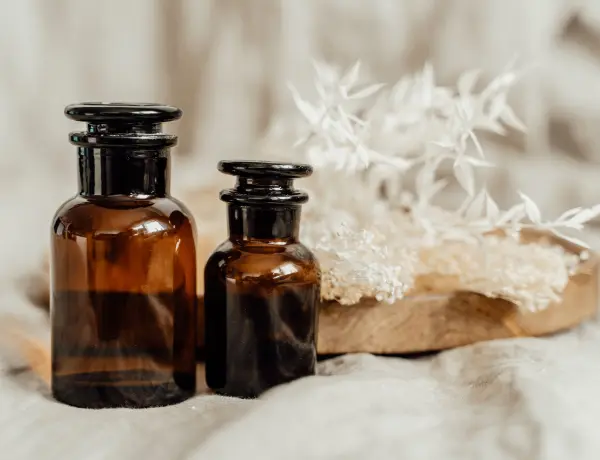
1. Tames dry, frizzy, chemically‑damaged hair for softer, silkier locks
Jasmine essential oil is loaded with aromatic esters and alcohols. When mixed with a carrier oil, it smooths down your hair cuticles, cuts down static, and makes dry, rough or bleached hair feel far softer and silkier — plus it boosts shine.
Best for: Chemically‑processed, coarse, dry or damaged hair.
Important reality check: It cannot fix already‑split broken hair ends. It only makes them look smoother temporarily. You still need to trim split ends off.
2. Calms irritated scalps and eases dry, itchy feelings
Jasmine has naturally calming aromatic properties. Dilute it and massage it into your scalp, and it can take the edge off tight, dry scalp irritation. It works really well if you feel stressed out or have a sensitive, tense scalp.
Heads‑up: Essential oils are NOT medical treatments. They won’t fix scalp conditions like seborrheic dermatitis, scalp ringworm, or inflamed, flaky skin. Stick to them for everyday hair care only. Never put them on raw, inflamed or broken scalp skin.
3. Mood‑boosting hair care thanks to its lovely scent
Jasmine has a rich, luxurious floral aroma. Dab a little on your hair ends or use it in a pre‑shampoo hair treatment, and your hair will carry a nice long‑lasting fragrance that covers unwanted smells. The scent also helps you unwind from stress — so you get emotional comfort alongside nicer‑looking hair.
4. Gentle support for your scalp’s protective barrier (indirect effect)
Jasmine essential oil has mild antioxidant and antimicrobial properties. When properly diluted, it can help neutralize scalp free radicals caused by sun exposure, heat styling tools, and chemical hair treatments. That said, it is not a disinfectant, and it will not clear up bad dandruff.
5. Hair growth & hair loss: setting realistic expectations
Jasmine essential oil does not directly make hair grow faster.
It can support overall scalp health indirectly by lowering stress levels and improving scalp comfort. But it cannot treat genetic pattern baldness (androgenetic alopecia) or patchy hair loss (alopecia areata). Rosemary essential oil has way more research backing its hair‑related benefits. Jasmine shines for scent and soothing, not stopping hair loss or sparking new hair growth.
Safe jasmine oil hair‑use rules
Dilution guide (hair & scalp)
Scalp massage: 1% dilution (10 mL carrier oil + 2 drops jasmine essential oil)Hair‑end‑only application (keep away from scalp): Max 2% dilution (10 mL carrier oil + 4 drops jasmine oil)
Jasmine oil triggers skin sensitivities more easily than many other essential oils. Never go above these recommended strengths.
Easy ways to use it
Pre‑shampoo hair mask: Mix your diluted oil, work it into your scalp and hair, leave it on for 30‑60 minutes, then shampoo thoroughly.
Leave‑in treatment for damp hair ends: Rub a tiny amount of diluted oil onto damp hair tips. No rinsing needed.
Mix into conditioner: Stir 1‑2 drops into your conditioner. Try not to get it directly on your scalp.
Things you should avoid
Never apply undiluted jasmine essential oil straight onto your scalp.Don’t leave oil sitting on your scalp overnight. It can clog pores and make hair greasy; skip this entirely if you have an oily scalp.
Risks & key warnings
Allergy risk: Jasmine oil contains jasmone, which can trigger skin reactions in some people. Always do a patch test before full‑on use.
Pregnancy notes: Skip scalp massages with jasmine oil in early pregnancy. If you want to use it later in pregnancy, play it safe and check with an aromatherapist first.Skip use if your scalp has open wounds, sores, redness, or active seborrheic dermatitis.
Oily scalps: Jasmine oil itself is not heavy, but the carrier oil you mix it with can add grease. Use only small amounts on hair ends and keep it off your scalp.
Sun safety: Unlike citrus oils, jasmine oil is NOT photosensitive. You can head out into sunlight after applying it with no worries.
Great for: Dry, chemically‑damaged, coarse, frizzy or brittle hair; people with tight, dry scalps; anyone who loves soft, long‑wear floral perfume in their hair.
Not for: People with scalp allergies or active scalp inflammation; oily‑scalp users who slather it all over their scalp; anyone hoping it will regrow hair or cure dandruff.
What benefits does sweet almond oil give your hair?
1. Locks in moisture and revives dry, frizzy, damaged hair
Sweet almond oil is packed with oleic acid, so it sinks easily into gaps in your hair cuticles. It forms a thin protective layer over each hair strand. This locks moisture inside, tames frizz, cuts static, and leaves hair softer and shinier.
Perfect for: Bleached, damaged, coarse, dry or frizzy hair.
Limitation: It cannot mend already‑broken split ends. It only makes them look smoother temporarily. You still need to trim real split ends away.
2. Softens scalp; eases dryness and tightness
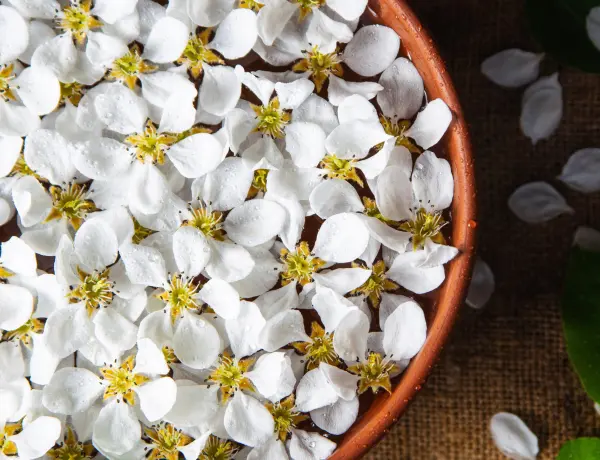
Linoleic acid and vitamin E in almond oil help keep your scalp’s natural protective lipid layer intact. It relieves tight, dry, itchy scalp caused by dehydration. Massaging it in can ease mild seasonal flaking that is not caused by inflammation.
Note: It won’t fix dandruff caused by seborrheic dermatitis or scalp fungus. Too much oil can actually make oily‑scalp problems worse.
3. Cuts down physical hair damage
It creates a slippery protective coating. That means less friction while brushing or blow‑drying your hair, so you get fewer broken strands. It offers minor extra defense against heat from flat irons and hot tools — but it is no replacement for dedicated heat‑protect hair sprays, and its heat‑shielding power is limited.
4. Softens hair ends and improves coarse‑hair texture
It is lighter and less thick than coconut oil. It won’t weigh hair down or leave it stiff. Coarse hair feels softer after application and tangles far less easily.
5. Gentle antioxidant protection
Vitamin E acts as an antioxidant. It shields hair from environmental damage from sun and pollution, helping slow hair dryness and yellowing over time.
6. Real talk: hair loss and hair growth
Sweet almond oil does not trigger new hair growth.
It hydrates your scalp and reduces hair breakage. That helps with so‑called “fake hair loss” — strands that get pulled out while brushing. But it cannot make hair follicles sprout new hair. It will not help with genetic baldness or patchy alopecia areata.
Practical ways to use sweet almond oil for hair
Leave‑in end treatment (most popular use)
Drop 2‑3 drops into your palms, rub hands together to warm the oil, then smooth it over mid‑lengths and ends of semi‑dry or fully dry hair. Keep it off your scalp. No rinsing required. Great for taming day‑to‑day frizz.
Pre‑shampoo deep‑conditioning mask
Smooth 5‑10 mL almond oil all over dry hair; massage into scalp and every hair strand. Leave it on for 30‑60 minutes, then shampoo it out.
Dry hair: 1‑2 times weekly
Oily hair: Only apply to hair ends; skip scalp massage and cut leave‑on time to under 20 minutes.
Mix into conditioner
Add 1‑3 drops to your conditioner, focus it mainly on hair ends.
Use as a carrier oil for essential oils
Mix it with essential oils such as jasmine or lavender for scalp massage — this is the well‑known jasmine‑and‑almond‑oil blend.
Risks, side effects & precautions
Nut allergy warning: Sweet almond is a tree nut. If you have nut allergies, avoid letting it touch your scalp or hair. It may trigger redness, itching, or skin rashes. Always run a patch test behind your ear or on a small patch of skin before your first full use.
Oily‑scalp caution: Too much oil massaged into your scalp can build up, clog pores, trigger extra greasiness, itching, or small scalp bumps. Oily‑scalp folks should stick to applying it only on hair ends.
Oil spoilage: It is high in unsaturated fats, so it goes rancid quickly once opened. Spoiled oil irritates your scalp and causes itching and soreness.
Store: Seal it tight, keep it cool and away from light. Finish it within 6‑12 months after opening. Throw it out right away if you catch a stale, off smell.Do not leave almond oil sitting on your scalp overnight. Long‑term oil coverage can create scalp troubles.
Great for: Dry, damaged, chemically‑processed, coarse or frizzy hair; people wanting a lightweight moisturizing hair oil; anyone needing a carrier oil to dilute essential oils.
Not for: Anyone with nut allergies; oily‑scalp people who slather it on their scalp; scalps with open sores or active inflammation.
Quick comparison with other common carrier oils
Sweet almond oil: Lightweight, smooth‑feeling, very versatile
Jojoba oil: Mimics your scalp’s natural sebum; better for scalp care
Coconut oil: Very thick and heavy; can flatten fine, soft hair
Jasmine essential oil VS sweet almond oil for hair
Jasmine essential oil: Concentrated aromatic essential oil — must always be diluted. It delivers soothing effects and beautiful fragrance, and offers almost no standalone moisturizing benefits.
Sweet almond oil: Plant‑based carrier oil, safe to use neat (undiluted). It nourishes and lubricates hair deeply, with barely any scent or therapeutic aroma.
These two work beautifully side‑by‑side. You don’t need to pick one over the other.
Key differences broken down
| Comparison Item | Jasmine Absolute | Sweet Almond Oil (Almond Oil) |
|---|---|---|
| Substance Type | Aromatic absolute/essential oil, high‑concentration active extract | Plant carrier oil, cold‑pressed nut oil |
| Direct scalp application | Never apply neat; must be diluted | Safe for direct application, no further dilution required |
| Key hair‑care strengths | Scalp calming, fragrance & long‑lasting scent, mild antioxidant & antibacterial effects | Hair nourishment, cuticle smoothing, friction reduction, conditioning dry & damaged hair |
| Moisturizing & nourishing power | Barely any lipid nourishment; no hydrating or sealing effect | Excellent sealing & moisturizing for dry, frizzy hair |
| Effects on frizz & split ends | Auxiliary only; benefits come from carrier oil; no lubricating properties on its own | Primary benefit: smooths cuticles, reduces static, improves heat‑ or dye‑damaged hair |
| Effects on scalp | Relieves stress‑related scalp tension & discomfort; mild antioxidant & antibacterial properties; no moisturizing effect | Repairs scalp lipid barrier, eases dry flaking; works purely via lipid‑based conditioning |
| Fragrance | Rich, long‑lasting floral aroma, adds scent to hair | Very faint nutty note, virtually fragrance‑free |
| Protection against breakage | Negligible; forms no lubricating film | Excellent; lowers mechanical damage from combing & heat styling |
| Hair‑growth & anti‑hair‑loss effects | No direct hair‑growth effect. Only indirect benefit via stress relief | No hair‑growth effect. Reduces breakage to minimise pseudo‑hair‑loss |
| Concentration limits | Max. 1% for scalp massage; max. 2% for hair‑ends only. Higher concentrations raise irritation risk | No fixed concentration limit; over‑application causes greasiness & weighed‑down hair |
| Sensitisation risk | Moderate‑high. Jasmine ketones may irritate skin; patch test is mandatory | Risk for nut‑allergic users; low irritation for most people |
| Use for oily scalps | Use sparingly, preferably only on hair ends; greasiness comes from carrier oil | Best restricted to hair ends; scalp application may clog pores and increase greasiness |
Softening & smoothing power (biggest difference)
Jasmine essential oil contains no fatty oils on its own. One drop alone cannot smooth frizzy hair. All smoothing results come from whatever carrier oil you blend it with (like sweet almond or jojoba). Pure, undiluted jasmine oil on dry hair will only irritate your scalp — it will not fix frizz.
Sweet almond oil delivers actual lubrication. It builds protective films and locks moisture in. It is what makes damaged, chemically‑treated, frizzy hair feel smoother, cuts static and boosts shine.
Simply put: Sweet almond oil physically softens your hair. Jasmine oil adds calming scalp benefits and wonderful floral scent.
Effects on your scalp Jasmine essential oil
Aromatherapy benefits: Calms nerves; eases stress‑driven scalp tightness and itching; mild antioxidant and antibacterial properties.Drawbacks: Zero moisturizing effect. High concentrations irritate scalps. Not okay for inflamed or damaged scalps.
Sweet almond oil
Physically replenishes scalp lipids, easing dryness, flaking and itching for dry scalps.Drawbacks: Too much makes oily‑scalp or seborrheic dermatitis symptoms worse. It has no antibacterial or calming therapeutic effects — its value comes purely from oil‑based nourishment.
Scent & feel
Jasmine essential oil: Strong, long‑lasting floral aroma; leaves hair smelling lovely; aromatherapy mood benefits are one of its main draws. Sweet almond oil: Very faint nutty smell; almost fragrance‑free.
Potential risks
Jasmine essential oil: Skin irritation or allergic reactions from its potent active compounds. Concentration matters most. Use extra care in early pregnancy. Not photosensitizing. Sweet almond oil: Nut‑allergic reactions; pore‑clogging or extra grease if over‑used on oily scalps; risk of turning rancid. Generally very gentle for most people.
How to choose based on your needs
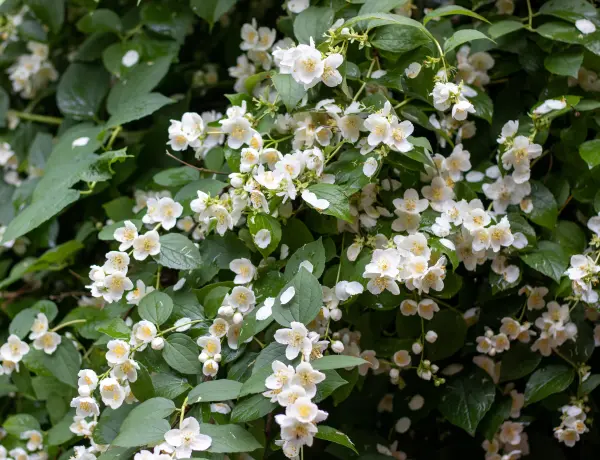
Use only sweet almond oil
Best if: You want to fix dry, damaged or coarse frizzy hair; cut down hair breakage while brushing; you don’t care about floral hair perfume; and you want to skip the hassle of diluting essential oils. How to use: 2‑3 drops straight onto hair ends; use as a pre‑shampoo mask.
Using jasmine essential oil alone (NOT recommended)
You cannot use it neat. It always needs mixing with carrier oil. Undiluted jasmine oil can burn or irritate your scalp.
Perfect combo: Jasmine essential oil + sweet almond oil
This is the most popular hair‑care blend.
Formula: 10 mL sweet almond oil + 2 drops jasmine essential oil (1% dilution, safe for scalp massage)
Sweet almond oil softens, nourishes and lubricates your scalp and strands. Jasmine oil brings scalp‑calming comfort, gorgeous long‑wear floral scent, and mild antioxidant support.
Busting common hair‑oil myths
Myth: “Jasmine essential oil alone makes hair smooth.”
Fact: That soft smooth feel comes from your carrier oil (almond oil). Jasmine oil mostly adds fragrance and soothing comfort.
Myth: “Almond oil kills bacteria and stops itching.”
Fact: Almond oil is just nourishing plant oil. It eases itch only when itch comes from dryness. Jasmine’s aromatic calming action handles stress‑related itching.
Myth: Both oils make hair grow faster.
Fact: Neither one wakes hair follicles to sprout new strands. Jasmine improves scalp comfort by lowering stress; almond oil cuts down physical hair breakage.
Quick guide for picking
Go with sweet almond oil as your base: You have chemically‑treated, dry, coarse or frizzy static‑prone hair, and you want real‑world softness and easier‑to‑manage hair.Add jasmine essential oil on top: You want extra scalp comfort, beautiful floral scent, plus aromatherapy benefits layered over your oil‑based hair nourishment.
Can jasmine essential oil and sweet almond oil fix split ends and hair loss?
These two oils can improve the look of split ends, but they cannot repair hair that has already split open. They can ease certain kinds of hair loss, but they will not treat serious medical‑related hair‑loss conditions.
About split ends: Preventing is better than fixing
Once hair strands split, the damaged hair cells cannot heal themselves. Trimming those split ends off is the only real fix. These oils shine at prevention and cosmetic improvement:
Better appearance for split ends: Their nourishing compounds fill gaps in hair strands and build a surface‑protective film. Dry hair looks smoother, friction drops, and existing split ends won’t get worse as fast.
Stop new split ends from forming: Consistent use of moisturizing, elasticity‑boosting oil treatments lowers your chances of developing new split ends.
About hair loss: They condition hair; they are NOT medicine
They cannot treat severe hair loss caused by hormones or genetics. But they can improve your scalp environment and help with non‑medical hair‑loss triggers:
Sweet almond oil nourishes hair follicles with vitamin E and other nutrients. It helps hair loss linked to nutritional gaps.Jasmine essential oil’s aroma relaxes your mind and body. It helps indirectly with hair loss triggered by heavy stress and sleep deprivation by calming your mood.
Practical hair‑care tips
For existing split ends: Snip away the damaged parts first. Then use these oils to lock in moisture and keep splits from coming back quickly.For serious hair loss: If you shed over 100 hairs every day or see obvious bald patches, hair oils will not solve this. Go see a dermatologist to check hormones and follicle health.
Best dilution ratios for jasmine essential oil & sweet almond oil
These two work very differently. Sweet almond oil works as your base carrier oil that you can use directly. Jasmine essential oil is super‑concentrated and must be diluted. Always dilute jasmine oil into almond oil — never do it the other way around.
Jasmine essential oil dilution guidelines
Pure jasmine essential oil is highly potent; putting it straight on skin or scalp causes irritation. Below are safe, widely‑accepted dilution standards for hair care:
Everyday hair care (safe working range): 1‑3% dilution
Example: Add 2‑6 drops of jasmine essential oil into 10 mL sweet almond oil. This range balances safety and good results.
Upper‑limit intensive care reference: ~3‑4% dilution
Some hair‑oil formulas use this level. Treat this as your absolute maximum strength for occasional deep care — do not go higher.
How to use sweet almond oil
Sweet almond oil is a gentle carrier oil safe to use all by itself on hair and scalp.
As a carrier oil: Mix it in to dilute potent essential oils like jasmine.Used neat on its own: Warm a small amount and massage it into your scalp, or smooth it onto hair ends for deep conditioning.
Quick safety recap
Rule of thumb: Dilute jasmine essential oil with sweet almond carrier oil. Best starting point for scalp use or first‑time users: Stick to 1% dilution (2 drops jasmine oil per 10 mL almond oil). Watch for any skin reaction.
Always run a patch test behind your ear or on your inner wrist before first‑time use. Double‑check you have no nut allergy before using sweet almond oil.
What other essential oils blend well for hair care?
You can mix many different essential oils with sweet almond oil to target specific hair‑care concerns. Below are practical blend ideas sorted by what you want to achieve with your hair.
Blends for supporting hair health & reducing shedding
Rosemary essential oil
Well‑loved for hair support. It boosts scalp blood flow and helps keep hair follicles active.
Blend: 30 mL sweet almond oil + 5 drops rosemary +10 drops ginger +5 drops atlantic cedar How to use: Rub a small amount onto your scalp, focus on thinner‑looking areas. Wash it out in the morning.
Cedarwood essential oil
Supports stronger hair roots, reduces breakage, offers mild help for seborrheic alopecia.
Blend: 10 mL sweet almond oil +3 drops cedarwood +2 drops rosemary How to use: Massage into scalp for 10 minutes pre‑shampoo. Leave on 30 min, then wash out.
Ginger essential oil
Warming oil that boosts scalp circulation. Good for shedding caused by poor blood flow.
Blend:10 mL sweet almond oil +2 drops ginger +1 drop cedarwood How to use: Massage into scalp, leave on for 30 min. Use 2‑3 times per week.
Blends for smooth, shiny hair
Lavender essential oil
Fights roughness, boosts hair elasticity, restores shine to dry hair.
Blend: 20 mL sweet almond oil +2 drops jasmine +1 drop lavender How to use: Smooth over 80%‑dry hair post‑shower. No rinse needed.
Rose essential oil
Luxury nourishment, boosts shine; fantastic for perm‑ or color‑damaged hair.
Blend:10 mL jojoba oil +3 drops jasmine +1 drop rose How to use: Rub gently over half‑dry hair for about 30 seconds.
Cedarwood essential oil
Long‑lasting moisture, silky‑smooth finish; builds a breathable protective scalp layer.
Blend:10 mL sweet almond oil +1 drop jasmine +2 drops cedarwood How to use: Apply to hair; use twice weekly.
Oil‑control & anti‑dandruff blends
Tea tree essential oil
Naturally antibacterial; cuts excess scalp oil. Great for oily scalps and dandruff.
Blend: 10 mL sweet almond oil +3 drops tea tree +1 drop peppermint How to use: Massage scalp for 5 min, leave on 20 min then shampoo out. Twice weekly.
Peppermint essential oil
Cool, refreshing feel; controls oil and boosts scalp circulation.
Blend: 20 mL sweet almond oil +1 drop peppermint +3 drops rosemary How to use: Apply pre‑shampoo, leave on 15 min then wash out.
Soothing & repairing scalp blends
Lavender essential oil
All‑round versatile oil. Calms scalp irritation and reduces hair breakage; works for most hair types.
Blend: 10 mL sweet almond oil +4 drops lavender +2 drops jasmine How to use: Smooth over hair or massage into scalp before shampooing.
Geranium essential oil
Balances scalp oil production. Works for both dry and oily scalps.
Blend:20 mL sweet almond oil +2 drops geranium +1 drop jasmine How to use: Massage through post‑wash hair for smooth, shiny strands.
Chamomile essential oil
Mild and calming. Perfect for sensitive scalps; eases redness and scalp itchiness.
Blend: 10 mL sweet almond oil +2 drops chamomile How to use: Gently apply to scalp morning and evening.
For general everyday hair maintenance
Go‑to essential oils: Lavender, geranium
Important blending safety notes
Watch your total essential‑oil strength: For scalp massage, combined essential‑oil drops in 10 mL carrier oil should never exceed 6 drops (total 3% dilution maximum).
Photosensitive citrus oils: Lemon, sweet orange and other citrus oils make skin sun‑sensitive. If you use them during daytime, wear a hat for sun protection. Night‑time application is safer.
Pregnancy safety: Skip stimulating oils such as rosemary, ginger and peppermint. Stick to gentler choices like lavender and chamomile.
Always patch‑test new blends: Dab a tiny amount behind your ear, wait 24 hours. If you get no redness or itching, you are safe to use the blend on your hair and scalp.
