lsooctyl Palmitate

lsooctyl Palmitate

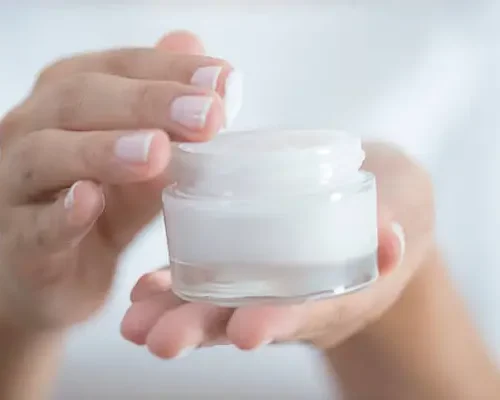
Isooctyl Palmitate is a synthetic ester formed by the reaction of isooctyl alcohol (a branched-chain alcohol) and palmitic acid (a saturated fatty acid). It is commonly used in cosmetics and personal care products as an emollient, solvent, and texture enhancer.If you have any needs for this product, please be sure to contact us at info@wingengroup.com and we will respond to you within 12 hours.

Main Assay:lsooctyl Palmitate

CAS No.:1341-38-4

MOQ:1 Ton

Quality Control

All goods we carry are manufactured with the best quality,leading the quality of life and fashion trends.

lsooctyl Palmitate

Isooctyl Palmitate is a synthetic ester formed by the reaction of isooctyl alcohol (a branched-chain alcohol) and palmitic acid (a saturated fatty acid). It is commonly used in cosmetics and personal care products as an emollient, solvent, and texture enhancer.If you have any needs for this product, please be sure to contact us at info@wingengroup.com and we will respond to you within 12 hours.

Main Assay:

CAS No.:

MOQ:

lsooctyl Palmitate

1341-38-4

1 Ton

Quality Control

All goods we carry are manufactured with the best quality,leading the quality of life and fashion trends.

Description

Isooctyl Palmitate as an emulsifier and wetting agent for cosmetics, with excellentpenetration,moisturizing, and softening effects on the skin

Nature and Use​

1)Softeners, thickeners, and lubricant additives.


2) As an oily ingredient, it has good skincare and stretchability.


3) Good permeability, softener, stable performance, not easy to oxidize or produce odors, a goodsolvent for pigments.


Packaging

This product is isooctyl palmitate in liquid form. Barrels can be used for packaging, and thepackaging should be firm and not leak.Or package according to user requirements.
whentransportina products, they must be loaded and unloaded with care, and should be covered to avoiddirect sunlight and rain.Avoid packaging damage.


Transportation and storage

1 During product transportation, there must be a cover to prevent rain and water seepage, and toisolate sparks.Throwing is strictly prohibited during unloading


2 lt should be stored in a dry and ventilated warehouse, with a height of at least 10cm above theground. when stored outdoors, it should be covered and kept away from sources of fire to avoidheating,freezing, and moisture.

Suppler Introduction of Caprylic/Capric Triglyceride

WINGEN GROUP LIMITED is an independent R&D center and modern factory. We have planting bases are located in Anhui and Yunnan, while we have a R&D center in Yunnan and Shanghai with modern production technology and clean workshops. At the same time, we have a variety of utility model patents and trademarks.


Advantages of our company(WINGEN GROUP LIMITED)

1. Efficient production technology to ensure high purity and high concentration of extracts.


2. Strict quality control to ensure product stability and consistency.


3. R&D and innovation capabilities to provide customized formulas and new product development.


4. Traceable raw material supply to ensure safety and environmental protection.


5. Global market coverage, widely used in health care products, cosmetics and other industries.


Here are some quick reasons to choose Wingen Group Isopropyl Palmitate:


High Quality Sourcing: Wingen Group ensures a pure and reliable product.


Versatility: Suitable for a wide range of applications in industries such as cosmetics, food, pharmaceuticals and health, making it a highly adaptable ingredient for different formulations.


Environmentally Friendly: Wingen Group focuses on sustainability, emphasizing responsible sourcing and production practices to ensure minimal environmental impact.


Global Presence and Expertise: With years of experience and a strong global network, Wingen Group is a trusted partner for high-quality, safe and effective ingredient solutions.


Choosing Wingen Group means working with a company that is committed to quality, reliability and sustainability in every product. Please contact us for more information.

Specification

PropertyValue
Appearance (physical state, color, etc.)Colorless to light yellow transparent oily liquid
OdorCurrently unavailable
Odor limitCurrently unavailable
pHCurrently unavailable
Melting point/freezing point<2 ℃, with a pressure of approximately 1013 hpa
Boiling point and boiling range<200 ℃, air pressure 2 hpa
Flash point210 ℃, with a pressure of approximately 1013 hpa
Evaporation rate (n-butyl acetate=1)Currently unavailable
FlammabilityCurrently unavailable
Upper/lower combustion or explosion limitCurrently unavailable
Saturated vapor pressure0 pa
SolubilityDissolved in chloroform
Steam densityCurrently unavailable
Specific gravity0.859 g/cm3
Distribution coefficient (octanol/water)Currently unavailable
Autoignition temperatureCurrently unavailable

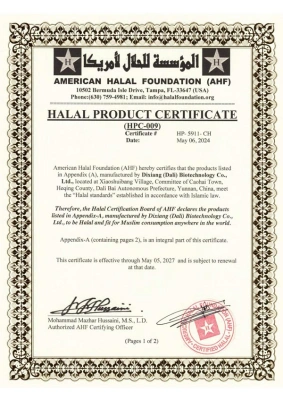
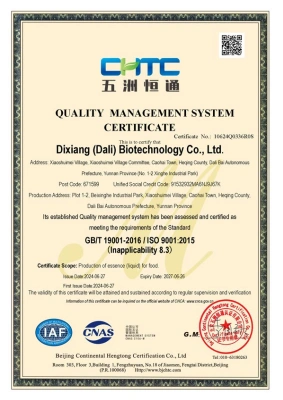
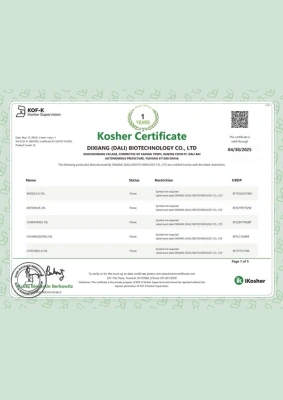
Certification

Precautions

When factories are using Isopropyl Palmitate (IPP), certain precautions should be followed to ensure safety and optimal product quality. Here are some key considerations:

1. Proper Ventilation

Ensure adequate ventilation in the production area to avoid inhalation of fumes or vapors, as prolonged exposure to high concentrations can cause respiratory irritation.

2. Personal Protective Equipment (PPE)

Workers should wear appropriate PPE, such as gloves, safety goggles, and lab coats, to prevent skin and eye contact, as the chemical can cause mild irritation.

3. Storage Conditions

Store Isopropyl Palmitate in a cool, dry place away from direct sunlight and heat sources. Ensure the containers are tightly sealed to prevent contamination.

4. Avoid Contamination

Ensure the equipment used for processing is clean and free from contaminants to maintain the quality of the final product and prevent chemical reactions that could degrade the ingredient.

5. Handling Spills

In case of spills, use absorbent materials (like sand or vermiculite) to contain and clean up the spill immediately. Avoid using water for cleaning, as it could spread the chemical.

6. Fire Safety

Isopropyl Palmitate is flammable, so ensure proper fire extinguishing equipment is available in the production area and that workers are trained in fire safety procedures.

7. Proper Labeling

Ensure all containers of Isopropyl Palmitate are clearly labeled with hazard warnings and handling instructions according to local regulations.

8. Health Monitoring

Regularly monitor workers for any signs of skin irritation, respiratory issues, or allergic reactions, especially if they are frequently exposed.

9. Waste Disposal

Dispose of any waste materials containing Isopropyl Palmitate according to local environmental and safety regulations. Avoid releasing it into water sources or drains.

By following these precautions, factories can safely handle Isopropyl Palmitate and ensure a safe working environment.

Related Products

Contact Us

+86-21-58930128
          info@wingengroup.com
+86-21-39652034
+86-17717633275

Address

Room 207, Building 3, No. 2216 Jingao Road, Pudong New Area, Shanghai, China

Description

Isooctyl Palmitate as an emulsifier and wetting agent for cosmetics, with excellentpenetration,moisturizing, and softening effects on the skin

Nature and Use​

1)Softeners, thickeners, and lubricant additives.

2) As an oily ingredient, it has good skincare and stretchability.

3) Good permeability, softener, stable performance, not easy to oxidize or produce odors, a goodsolvent for pigments.

Packaging

This product is isooctyl palmitate in liquid form. Barrels can be used for packaging, and thepackaging should be firm and not leak.Or package according to user requirements. whentransportina products, they must be loaded and unloaded with care, and should be covered to avoiddirect sunlight and rain.Avoid packaging damage.

Transportation and storage

1 During product transportation, there must be a cover to prevent rain and water seepage, and toisolate sparks.Throwing is strictly prohibited during unloading

2 lt should be stored in a dry and ventilated warehouse, with a height of at least 10cm above theground. when stored outdoors, it should be covered and kept away from sources of fire to avoidheating,freezing, and moisture.

Suppler Introduction of Caprylic/Capric Triglyceride


WINGEN GROUP LIMITED is an independent R&D center and modern factory. We have planting bases are located in Anhui and Yunnan, while we have a R&D center in Yunnan and Shanghai with modern production technology and clean workshops. At the same time, we have a variety of utility model patents and trademarks.

Advantages of our company(WINGEN GROUP LIMITED)

1. Efficient production technology to ensure high purity and high concentration of extracts.

2. Strict quality control to ensure product stability and consistency.

3. R&D and innovation capabilities to provide customized formulas and new product development.

4. Traceable raw material supply to ensure safety and environmental protection.

5. Global market coverage, widely used in health care products, cosmetics and other industries.

Here are some quick reasons to choose Wingen Group Isopropyl Palmitate:

High Quality Sourcing: Wingen Group ensures a pure and reliable product.

Versatility: Suitable for a wide range of applications in industries such as cosmetics, food, pharmaceuticals and health, making it a highly adaptable ingredient for different formulations.

Environmentally Friendly: Wingen Group focuses on sustainability, emphasizing responsible sourcing and production practices to ensure minimal environmental impact.

Global Presence and Expertise: With years of experience and a strong global network, Wingen Group is a trusted partner for high-quality, safe and effective ingredient solutions.

Choosing Wingen Group means working with a company that is committed to quality, reliability and sustainability in every product. Please contact us for more information.

Specification

PropertyValue
Appearance (physical state, color, etc.)Colorless to light yellow transparent oily liquid
OdorCurrently unavailable
Odor limitCurrently unavailable
pHCurrently unavailable
Melting point/freezing point<2 ℃, with a pressure of approximately 1013 hpa
Boiling point and boiling range<200 ℃, air pressure 2 hpa
Flash point210 ℃, with a pressure of approximately 1013 hpa
Evaporation rate (n-butyl acetate=1)Currently unavailable
FlammabilityCurrently unavailable
Upper/lower combustion or explosion limitCurrently unavailable
Saturated vapor pressure0 pa
SolubilityDissolved in chloroform
Steam densityCurrently unavailable
Specific gravity0.859 g/cm3
Distribution coefficient (octanol/water)Currently unavailable
Autoignition temperatureCurrently unavailable

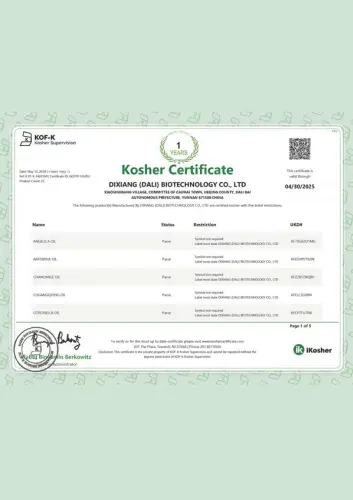
Certification

Precautions

When factories are using Isopropyl Palmitate (IPP), certain precautions should be followed to ensure safety and optimal product quality. Here are some key considerations:

1. Proper Ventilation

Ensure adequate ventilation in the production area to avoid inhalation of fumes or vapors, as prolonged exposure to high concentrations can cause respiratory irritation.

2. Personal Protective Equipment (PPE)

Workers should wear appropriate PPE, such as gloves, safety goggles, and lab coats, to prevent skin and eye contact, as the chemical can cause mild irritation.
3. Storage Conditions

Store Isopropyl Palmitate in a cool, dry place away from direct sunlight and heat sources. Ensure the containers are tightly sealed to prevent contamination.

4. Avoid Contamination

Ensure the equipment used for processing is clean and free from contaminants to maintain the quality of the final product and prevent chemical reactions that could degrade the ingredient.

5. Handling Spills

In case of spills, use absorbent materials (like sand or vermiculite) to contain and clean up the spill immediately. Avoid using water for cleaning, as it could spread the chemical.

6. Fire Safety

Isopropyl Palmitate is flammable, so ensure proper fire extinguishing equipment is available in the production area and that workers are trained in fire safety procedures.

7. Proper Labeling

Ensure all containers of Isopropyl Palmitate are clearly labeled with hazard warnings and handling instructions according to local regulations.

8. Health Monitoring

Regularly monitor workers for any signs of skin irritation, respiratory issues, or allergic reactions, especially if they are frequently exposed.

9. Waste Disposal

Dispose of any waste materials containing Isopropyl Palmitate according to local environmental and safety regulations. Avoid releasing it into water sources or drains.

By following these precautions, factories can safely handle Isopropyl Palmitate and ensure a safe working environment.

Related Products

滚动至顶部

Leave your details below, and Get a Free Quote