

1. How to Use Ginger Essential Oil for Upset Stomach
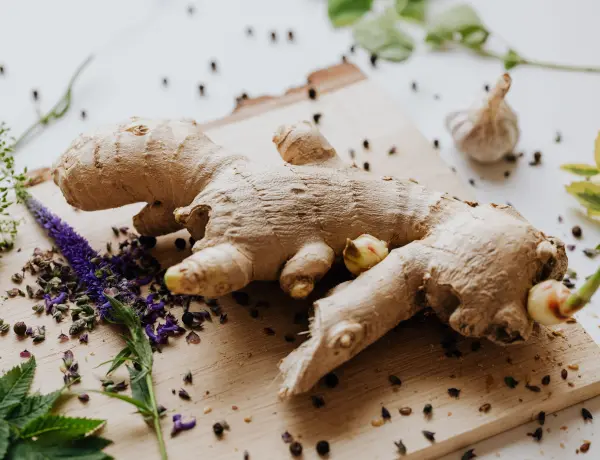
Topical treatments—abdominal massage and aroma inhalation—are the safest, most effective ways to use ginger oil for digestive troubles. Swallowing ginger oil carries major risks and should only ever be done with expert supervision.
Below is a simple breakdown of all usable methods, step-by-step instructions, and critical safety rules.
Method 1: Abdominal Massage (Most Popular for Stomach Issues)
This works directly on your belly to boost blood flow and ease cramping, bloating, or indigestion. Dilution is non-negotiable here.
Safe Dilution Ratios & Blends
Standard safe mix: Ginger oil should make up no more than 0.5% of your blend for everyday use. For cold, sluggish digestion, you can bump it up to 1–1.5%. Easy reference: Add 1 to 2 drops of ginger oil to every 10 mL carrier oil (roughly 200 drops total). This is a gentle starting point for everyone. Quick at-home hack: Mix 4 drops ginger oil into 1 tsp (5 mL) regular body lotion for fast, mild relief. Soothing combo blends (great for ongoing indigestion or loose stools): Pair ginger with Roman chamomile or lavender to calm irritation faster.
Step-by-Step Massage
Dilute properly: Stir your measured ginger oil into jojoba, sweet almond, or grapeseed carrier oil, or blend it fully into body lotion.Rub the mix between your palms to warm it up, then massage your belly in slow, clockwise circles around your belly button. Clockwise strokes match your gut’s natural movement and cut down bloating.Optional boost for better absorption: Lie on your side, wrap a hot water bottle in a towel, and rest it on your stomach post-massage.
Method 2: Aroma Inhalation (Fast Fix for Nausea)
This is your go-to for motion sickness, morning queasiness, or sudden waves of nausea—it acts within minutes by triggering your scent receptors. How to do it: Drop 1 single drop of ginger oil onto a tissue or handkerchief, then take slow, deep breaths right above the fabric whenever nausea hits.
Important Warning About Ingesting Ginger Oil
Lots of online posts claim you can drink ginger essential oil, but this practice is very dangerous. Keep these key points top of mind:
Never take it orally without a certified aromatherapist guiding you—don’t test this alone.If a professional clears you for ingestion: Mix 1 drop ginger oil into 1 tsp raw honey, stir that into 200 mL water, and sip before or after meals based on your stomach sensitivity.High-concentration ginger oil irritates skin and triggers allergies. Swallowing undiluted oil will burn and damage the delicate lining of your digestive tract.Drink 500–800 mL water afterward to help your body process the oil.
Extra Massage Tips
Dilution rule recap: Ginger oil is ultra-concentrated. Mix 3–5 drops into every 10 mL (2 tbsp) sweet almond or grapeseed oil and stir thoroughly.Timing: Massage one full hour after eating for best results. Stick to gentle clockwise circles around your navel.Warm compress trick: After massaging, lay a warm cloth over your belly for 5–10 minutes (wear a layer of clothing between skin and heat). This boosts circulation and lets the oil sink in deeper.
Targeted Blends for Common Stomach Woes
Bloating, trapped gas, slow digestion, leftover heavy food 2 drops ginger + 2 drops sweet fennel + 2 drops Roman chamomile + 10 mL carrier oil Calms swelling and stops constant burping
Nausea/vomiting from cold exposure or car sickness 2 drops ginger + 2 drops lemon Sniff straight from a tissue, or dilute and lightly rub onto your upper belly
2. How to Make a Ginger Oil Warm Compress
Always dilute essential oils before any heat treatment. Never place heat directly on skin coated with undiluted oil—ginger already creates a warming sensation, and adding extra heat drastically raises your risk of burns.
This compress works well for anyone with cold belly pain, persistent bloating, or digestion issues brought on by cold weather. Skip or use cautiously if you struggle with heartburn, acid reflux, or extremely sensitive skin.
Two Simple Warm Compress Methods
Option 1: Massage First, Then Warm Compress (Most Recommended for Stomach Support)
Adult Dilution Guidelines
Regular adult tolerance: 2% blend → 10 mL carrier oil + 4 drops ginger oil
Sensitive skin, seniors: 1% mild blend → 10 mL carrier oil + 2 drops ginger oil Best carrier oils: jojoba, sweet almond, fractionated coconut oil
Step-by-Step Process
Mix ginger oil fully into carrier oil, rub between your palms to warm the blend.Softly massage your upper stomach (above the belly button) in clockwise circles for 3–5 minutes. Stop once your skin feels slightly warm—no hard pressing needed.Put a thin shirt between your skin and a hot water bottle/heating pad, then rest the heat source on your upper belly for 10–15 minutes.After finishing, keep your abdomen covered and warm. Avoid cold drafts or cold water for at least 30 minutes.
Critical Safety Note: Never set a hot water bottle directly on skin with ginger oil massaged in. Double heat stimulation causes red, burning rashes.
Option 2: Compress-Only Method (No Massage Required)
Perfect if you hate rubbing oil directly on your skin or have easily irritated skin.
Grab a clean cotton towel, soak it in lukewarm water (~40°C), then squeeze out excess moisture so it’s damp, not dripping.Drop 2–3 drops of your pre-diluted ginger oil blend onto the towel (pure undiluted oil cannot go straight on fabric).Fold the towel and lay it over your upper belly, with underwear as a barrier between towel and skin.Re-warm the towel as it cools; do not leave it on longer than 15 minutes total.
Never pour pure ginger oil straight into hot water. Oil won’t mix with water and floats on top, creating harsh concentrated patches that burn skin on contact.
Best Times to Use the Compress
Sudden cold stomach aches or bloating after being out in the cold: Use right away Daily gentle stomach care: 30 minutes before dinner
Do not use heat compresses within one hour of eating—this overworks your stomach and can trigger nausea.
Multi-Oil Blends (Works for Both Massage & Compresses)
Chilly belly, sharp cold stomach pain 3 drops ginger + 2 drops black pepper + 10 mL carrier oil Heavy digestion, bloating, frequent burping 2 drops ginger + 2 drops fennel + 2 drops Roman chamomile + 10 mL carrier oil
Risks & Troubleshooting
If you feel stinging or burning mid-compress, remove the towel immediately, rinse your belly with lukewarm water, and stop using the blend entirely.Skip this treatment if you have active gastritis, stomach ulcers, open belly wounds, or eczema.Keep each heat session under 15 minutes. Don’t use daily nonstop—take a break after two weeks of regular use.Stick to warm, not scalding hot, water and heating pads.This is only a soothing supplementary remedy; it cannot replace prescription medical care for chronic stomach conditions.
Common Myths Debunked
Myth 1: Undiluted ginger oil before a compress delivers stronger relief.
Fact: Straight ginger oil severely irritates skin. Combined with heat, it almost always causes itchy, red contact rashes.
Myth 2: The longer you leave the compress on, the better it works.
Fact: Extended heat wears down your skin’s natural protective barrier and leads to soreness and irritation.
Myth 3: Warm ginger compresses ease heartburn and acid reflux.
Fact: Ginger oil is highly warming. It will ramp up burning reflux symptoms for people with excess stomach heat.
3. Correct Ginger Essential Oil Dilution Ratios

Ginger oil is classified as a “hot oil”—it stimulates skin and creates a warm tingle. You must dilute it before any skin contact; undiluted oil cannot touch bare skin. All ratios below are for external massage only—this section does not cover oral ingestion.
Top carrier oil picks: jojoba, sweet almond, fractionated coconut oil Quick conversion rule for aromatherapy: 10 mL carrier oil = roughly 200 drops total
1% blend: 2 drops essential oil per 10 mL carrier oil2% blend: 4 drops essential oil per 10 mL carrier oil3% blend: 6 drops essential oil per 10 mL carrier oil
Adult Dilution for Different Scenarios
Daily long-term stomach maintenance (gentlest option)
1% concentration (10 mL carrier oil + 2 drops ginger oil) Best for sensitive skin, seniors, weekly regular belly massages, and warm compress routines.Short-term relief for cold stomach aches and bloating (occasional use)
2% standard adult blend (10 mL carrier oil + 4 drops ginger oil) For people with resilient skin dealing with random cold belly discomfort. Do not use daily for more than 7 days straight.Emergency quick relief (rare sudden cold stomach pain)
Max safe limit: 3% concentration (10 mL carrier oil + 6 drops ginger oil)
Only for one-off urgent use—never daily long-term application. It easily causes red, burning skin; anyone with sensitive skin cannot use this strength.
Reduced Ratios for Sensitive Groups
Teens (12–17): Max strength capped at 1%Kids 6–12 years old: Stick to 0.5% (10 mL carrier oil + 1 drop ginger oil). Rub only a tiny amount lightly on the upper belly.Children under 6: Avoid ginger oil belly treatments entirely
Pregnant people: Steer clear during the first trimester. If needed mid-to-late pregnancy, use a mild 0.5–1% blend, test a small skin patch first, and ideally check in with a certified aromatherapist.
Mixing Multi-Oil Blends: Don’t Over-Concentrate
Always count the total number of essential oil drops to control overall strength—don’t treat each oil as a separate 2% blend. Example gut-support mix: ginger + black pepper + fennel Sample calculation: 10 mL carrier oil + 2 drops ginger + 1 drop black pepper = 3 total drops (~1.5% overall), which stays safely under the 2% limit. If you add full 2% portions of every oil in your blend, the total concentration spikes and irritates skin badly.
Quick Tips to Avoid Mistakes
Shake your diluted oil blend thoroughly before every use.If pairing with warm compresses, stick strictly to 1% blends—heat amplifies ginger’s hot, tingling sensation.First-time users: Dab a tiny bit of mixed oil on the inside of your wrist, wait 15 minutes to check for redness or itchiness before full use.Store blended oil in a cool, dark cabinet at room temperature, and finish within 3 months for best quality.All dilution rules apply only to external skin massage—never consume these blends orally.
4. What Stomach Issues Does Ginger Essential Oil Help With?
Ginger oil targets four main digestive complaints, backed by both traditional use and clinical research:
1. Nausea & Vomiting Relief
This is ginger oil’s most well-documented benefit, with solid study evidence to back it up. One trial on abdominal surgery patients found ginger aroma inhalation drastically cut post-op nausea and vomiting. It’s also widely used to calm car sickness, pregnancy morning queasiness, and general upset-stomach nausea.
2. Bloating & Slow Digestion
Ginger oil ramps up natural stomach acid production to break down heavy food faster. It eases poor appetite, swollen bloated bellies, and sharp cramping caused by cold digestion.
3. Loose Stools & General Gut Irritation
Ginger oil shows mild antibacterial effects against common gut bacteria like E. coli. Many balanced gut oil formulas containing ginger work well for diarrhea triggered by cold, sluggish digestion.
Extra Note on IBS
One study of 1,585 IBS patients found a supplement blend of peppermint oil and ginger root powder reduced bloating, but these results come from a combined product—pure ginger oil alone won’t deliver the same effect.
How It Works
Research confirms ginger oil protects the sensitive gut lining, fights inflammation, and suppresses harmful bacteria—these three traits explain why it relieves so many cold-related stomach symptoms.
5. Full Safety Guidelines for Ginger Oil Stomach Use
Safety always comes first when using ginger oil on your belly. Ginger naturally irritates skin, and careless use leads to allergic rashes and painful contact dermatitis. Below are non-negotiable safety rules:
Core Risk: Skin Irritation & Allergies
Ginger oil’s chemical makeup makes it inherently harsh on skin. Official safety ratings label it a Level 2 skin irritant and Level 1 skin sensitizer—meaning it reliably triggers rashes and allergic reactions with improper use. Real-world example: Professional aromatherapists regularly develop itchy occupational rashes from repeated ginger oil exposure. Casual users face even higher risk without proper dilution. Extra caution for eczema sufferers: Damaged, sensitive skin barriers amplify irritation. Most medical guidance advises skipping harsh hot oils like ginger to prevent flare-ups or new allergic reactions.
Must-Follow Safety Rules
Always dilute completely No exceptions—pure ginger oil never touches bare skin. Mix into carrier oil at the safe ratios listed above before every use.Skip certain body areas and user groups Do not apply to your face or chest. Avoid entirely if you are pregnant (first trimester), have small infants, or live with epilepsy. People prone to dry eyes, constant thirst, and internal heat should also use ginger oil very sparingly.Oral ingestion carries extreme risk Do not attempt drinking ginger oil without a certified aromatherapist’s personalized guidance. Self-ingestion can burn your esophagus and stomach lining.Prioritize high-quality oil brands Some low-grade ginger oils carry pesticide residue. Stick to well-reviewed, reputable suppliers when purchasing.
Clarification on Anti-Inflammatory Properties
Studies show ginger oil reduces internal inflammation and suppresses mild allergic responses internally—but this does not cancel out its skin-irritating effects. Its anti-inflammatory benefits act inside your body, while skin stinging comes from direct surface chemical contact. Don’t ignore external safety risks just because ginger has soothing internal benefits.
Final takeaway: Always dilute ginger oil and follow group restrictions carefully. Safe use matters more than fast relief.
6. Who Should Skip Ginger Essential Oil (External Massage & Compresses Only)
This section covers topical belly treatments only—aroma inhalation rules are far less strict. Ginger oil creates a strong warming, stimulating effect on skin and digestion.
Group 1: Avoid Entirely (High Risk of Worsening Symptoms)
Chronic heartburn, acid reflux, reflux esophagitis, or persistent stomach heat Ginger’s warming properties ramp up burning reflux and bitter sour taste in your mouth.Active stomach ulcers or erosive gastritis Massage and heat compresses irritate already damaged stomach lining and intensify pain.Open belly wounds, active eczema, dermatitis, or hives Ginger oil stings broken skin and worsens itching, swelling, and allergic flare-ups.Anyone with a confirmed ginger plant allergy Nearly guaranteed to react badly to ginger essential oil—strictly off-limits.Infants under 6 months old Ultra-delicate baby skin and fragile digestive systems cannot handle ginger’s warming stimulation; do not apply to their bellies.
Group 2: Use With Extreme Caution (Only Low 1% Blends + Mandatory Skin Patch Test)
First three months of pregnancy Best to avoid entirely. If needed mid/late pregnancy, stick to 0.5–1% blends and check with your doctor or aromatherapist first.High blood pressure Skip frequent, large-area massages and long heat compresses with ginger oil.Seniors, people with paper-thin skin, severe sensitive skin Only use blends 1% or weaker, cut massage time short, and avoid pairing with warm compresses when possible.Kids ages 6–12 Limit to ultra-mild 0.5% dilution, rub lightly only, skip heat compresses, and do not use daily.Heat-prone constitutions (constant dry mouth, sore throats, hard stools) Unless your digestion is clearly cold and sluggish, skip ginger oil entirely.
Temporary Situations to Hold Off Use
Right after heavy alcohol consumption Within one hour after finishing meals (no deep belly massage)Sunburned, red, hot abdominal skin
Sudden sharp unexplained stomach pain or unrelenting vomiting: See a doctor first—don’t rely on oil to mask serious symptoms.
Final Important Notes
All above rules apply to belly massage and warm compresses only. Inhaling ginger oil is gentler, but people with severe acid reflux may still feel worse after breathing ginger scent. “Use cautiously” does not equal safe for regular daily use—it means lower concentration, shorter treatment time, and a skin patch test before full application. Stop immediately if you feel any burning or discomfort. Ginger essential oil acts as gentle supportive care only; it cannot replace prescription medical treatment for diagnosed stomach conditions.
