

Can You Put Tea Tree Oil on Your Face?
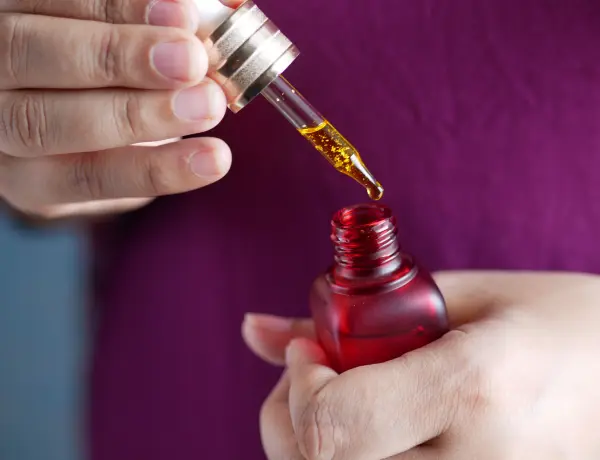
This is a question many people ask, and it’s super important to get right. The short answer is yes— but you should almost never apply undiluted, 100% pure tea tree essential oil directly all over your face. You’ll need to dilute it first, or only use it as a targeted spot treatment.
Below, we’ll break down everything you need to know, including safety rules, how to use it correctly, potential risks and who needs to be extra careful.
Pure Tea Tree Oil vs. Diluted Tea Tree Oil
100% Pure Tea Tree Essential Oil
- Safe for facial use?: Only use it sparingly as a spot treatment, and proceed with extreme caution
- Best for: Occasional use on individual pimples that are fully formed, red, swollen and unbroken. Simply dab a tiny bit right on top of the blemish with a cotton swab.
- Risk level: High. It can cause chemical burns, allergic reactions and flaky skin.
Diluted Tea Tree Essential Oil
- Safe for facial use?: Highly recommended for regular facial care
- Best for: Controlling overall facial oil, preventing breakouts, easing mild acne and calming inflammation. Mix it with a carrier oil to make a 1% to 5% concentration before use.
- Risk level: Low. A skin patch test is still required before use.
Why You Need to Use Tea Tree Oil With Caution (Potential Risks Explained)
Pure tea tree oil is packed with phenolic compounds and terpenes in high concentrations, which can harm your skin in several ways:
- Chemical burns: Direct contact can leave your skin red, stinging and peeling. In serious cases, it may also create dark or light discolored spots from inflammation.
- Allergies & contact dermatitis: Using pure tea tree oil often or over large areas makes your skin far more likely to develop a sensitivity. Once you’re allergic, any skincare product with tea tree oil can trigger itchiness, bumps and blisters.
- Damaged skin barrier: Healthy facial skin has a natural pH level between 4.5 and 5.5, protected by a layer of natural oils and skin cells. Pure tea tree oil strips away these protective oils and disrupts normal skin cell turnover. This leaves your skin dry, tight, easily irritated and prone to rashes.
- Rebound breakouts: If you have oily or acne-prone skin, over-drying your skin with strong oil-controlling products can backfire. Your oil glands will start producing even more oil to compensate, which clogs pores and makes acne worse.
How to Use Tea Tree Oil on Your Face | Key Rules to Follow
Never slather pure tea tree oil all over your face. It’s only meant for tiny spot treatments on pimples. For full-face skincare, always dilute it with a carrier oil first. Also, do a 24-hour skin patch test behind your ear before using it on your face for the first time.
Great carrier oils to use: Jojoba oil (top pick for facial skincare), sweet almond oil and fractionated coconut oil. If you have dry or sensitive skin, you can also mix it with plain aloe vera gel instead.
Step 1: Do a Skin Patch Test (Mandatory for First-Time Use)
- Make your test mixture: Combine 1 drop of pure tea tree oil with 5ml of carrier oil, then shake or stir well.
- Clean and pat dry the skin behind your ear, then apply a thin layer of the mixture.
- Leave the area alone for 24 hours — don’t rub it or wash it off.
- Check your skin afterward:
- No redness, stinging, itchiness, burning or peeling = Your skin tolerates the product well.
- If you feel any discomfort at all, rinse the area thoroughly with clean water and stop using the oil right away.
Method 1: Using Pure Tea Tree Oil Directly (Only for Individual Blemishes)
This method works best for single red, swollen, pus-filled pimples and large closed pores. It’s only suitable for people with thick, oily skin who regularly get acne and have no sensitive or easily irritated skin.
- Use this treatment only at night. Avoid applying pure tea tree oil during the day — acne and inflamed skin exposed to sunlight will develop dark spots easily.
- Wash your face with a gentle amino acid cleanser and warm water, then pat your skin completely dry.
- Take a fine cotton swab and dip it in a tiny amount of pure tea tree oil. The tip should just be damp — never let oil drip off the swab.
- Dab the oil only on the raised head of the pimple. Be extra careful not to touch the healthy skin around it.
- Let it air dry for 1 to 2 minutes so the oil absorbs fully.
- Follow up with toner and moisturizer or face cream afterward. You don’t need to wash the oil off.
- Usage frequency: Use once per day. Stop using pure oil as soon as the pimple flattens out and the redness fades. Switch to diluted tea tree oil to maintain results.
- Do NOT use on: Broken skin, open wounds, bleeding areas or damaged acne scars. It will cause severe pain and a burning sensation.
Method 2: Diluted Tea Tree Oil for Full-Face Application
Perfect for controlling overall facial oil, preventing closed pores and treating mild widespread inflammatory acne.
Dilution Ratios for Different Skin Types
- Normal oily skin (daily use): 2 to 3 drops of tea tree oil mixed with 10ml carrier oil
- Combination/oily/normal skin (use every other day): 1 drop of tea tree oil mixed with 10ml carrier oil
- Slightly dry, resilient skin (use 2 to 3 times per week, only at night): Half a drop of tea tree oil mixed with 10ml carrier oil
If your skin barrier is damaged, your face is always red, or you have hormone-related sensitive skin, skip full-face application entirely.
Full Application Steps
- Wash your face and pat it dry gently.
- Pour your carrier oil into the palm of your hand, add the correct amount of tea tree oil, then rub your hands together for 30 seconds to blend the oils fully.
- Once the oil mixture is warm from your hands, press it gently into your skin. Start with your T-zone (forehead, nose and chin), then lightly sweep the oil across the thinner skin on your cheeks.
- Massage softly for 30 seconds to help absorption. Never scrub hard or rub until your skin turns red.
- Wait 1 minute for the oil to sink in completely, then apply toner and moisturizer or face cream.
- If you use this diluted mixture during the daytime, always apply plenty of sunscreen. UV rays will worsen inflammation and leave permanent acne marks.
Method 3: Targeted Diluted Treatment
Ideal for red, irritated skin on your nose caused by mites, scattered small closed pores on your chin and breakouts along your hairline.
- Mix 1 drop of tea tree oil with 10ml carrier oil.
- Apply the blend only to your problem areas, and stay away from the thin, delicate skin on the rest of your face.
- Use once every night. Massage it in until absorbed, and leave it on overnight.
- Use consistently for 1 week and check if the redness improves. Once your skin calms down, cut back to 2 uses per week to maintain results.
3 Easy Mixing Methods (Great for Beginners)
- Mixed with moisturizer: Take your usual amount of fragrance-free, lightweight moisturizer, add 1 drop of tea tree oil and stir well. Apply it like normal. This is perfect for simple daily oil control and acne care.
- Mixed with aloe vera gel: Combine 1 drop of tea tree oil with 1 tablespoon of pure aloe vera gel and mix thoroughly. Apply a thick layer onto pimples and red areas. After 15 minutes, gently wipe away any excess gel. It soothes irritation and fights bacteria.
- Mixed with toner: Add 1 drop of tea tree oil to 100ml of lightweight toner and shake vigorously. Pat it onto your T-zone to control oil and kill bacteria. Do not store the full mixed bottle long-term — use it right away.
Standard Nighttime Skincare Routine With Tea Tree Oil
Cleanse face → Pat skin dry → Apply tea tree oil (spot treatment or diluted full-face blend) → Wait 1 minute for absorption → Apply toner → Seal in moisture with lotion or cream
Daytime Skincare Routine
Cleanse face → Basic moisturizer → Sunscreen We don’t recommend using pure tea tree oil during the day. Diluted blends can be used, but sunscreen is non-negotiable.
How to Handle Skin Reactions After Application
- Mild short stinging (goes away in 10 seconds): This is a normal reaction from the antibacterial ingredients. Simply use a slightly more diluted mixture next time.
- Persistent burning, redness, itchiness or peeling: Rinse your face thoroughly with warm water right away. Apply a thick layer of pure aloe vera gel or petroleum jelly to repair skin. Stop using all active skincare products for 3 to 5 days, and only use basic moisturizer during this time.
- Chemical burn from accidentally applying large amounts of pure oil: Rinse your face with cold water repeatedly for 5 minutes. Use cold compresses for 3 days straight to soothe and repair your skin.
Strict Rules & Things to Avoid
- Do not use tea tree oil alongside skincare products with high-strength salicylic acid, alpha hydroxy acids, retinol, high-concentration niacinamide or high levels of alcohol. You can use these products at separate times (morning and night) with a gap in between.
- Never apply tea tree oil blends under a face mask. The closed environment amplifies irritation and can seriously damage your skin.
- Don’t use pure tea tree oil nonstop for a long time. It thins out your outer skin layer and makes your skin sensitive.
- The skin around your eyes and lips is extremely thin — keep tea tree oil far away from these areas. If oil gets into your eyes, flush them with plenty of water immediately.
- Children under 12 years old should avoid using tea tree oil on their faces. If you’re in the early stages of pregnancy, only use an extremely diluted tiny amount for spot treating pimples — never use it for full-face care.
Can You Use Tea Tree Oil on Your Face Long-Term?

You should never use undiluted tea tree oil continuously for a long time. Heavily diluted blends can be used periodically for ongoing skin care, but you still need to take regular breaks. Tea tree oil is naturally irritating, and frequent long-term use will break down your skin barrier and leave your skin weaker over time.
Long-Term Use Guidelines Based on Product Type
1. 100% Pure Tea Tree Oil (For Spot Treatments Only)
Long-term continuous use is strictly forbidden.
- Safe short-term use: You can use it daily for 3 to 7 days while you have an active breakout. Stop completely once the pimples shrink and redness fades.
- Dangers of overusing it long-term: Its active ingredients keep irritating your outer skin layer, reducing your skin’s ability to hold moisture. The treated area will become sensitive, stinging and red easily when exposed to heat or other skincare products. Your skin will also build a tolerance, so the acne-fighting effects will weaken. Over time, it can also cause dark spots, dryness and peeling.
- Hard rule: Do not use pure tea tree oil on the same spot for more than 7 days in a row. Take a break of at least 1 week before using it again.
2. Carrier Oil Blends (Full-Face or Targeted Use)
These can be used long-term in cycles, with regular rest periods for your skin.
- Resilient oily skin (2–3 drops per 10ml carrier oil): Use for 2 weeks, then stop for 5 to 7 days, and repeat the cycle. Do not use it nonstop for an entire month or longer. During breaks, stick to basic moisturizer to let your skin barrier repair itself.
- Combination/normal skin (1 drop per 10ml carrier oil): Use for 2 weeks, then rest for 7 days. You can also switch to using it every other day to cut down on irritation. Avoid full-face use without a break for more than 3 months.
- Slightly sensitive/combination dry skin (half a drop per 10ml carrier oil): This blend is not made for frequent long-term use. Stick to targeted application on your T-zone just 2 to 3 times per week all year round, and never extend continuous use.
3. Low-Concentration Blends (Mixed With Cream or Aloe Vera Gel)
These have lower irritation levels, but you still can’t use them every single day all year long. Take a 3 to 5 day break every month to let your skin recover.
Side Effects of Long-Term Continuous Use
- Damaged skin barrier, persistent dryness and peeling
- New skin sensitivity: Your face turns red easily when warm, and stings during seasonal changes. Your skin will no longer tolerate exfoliants or other active skincare products.
- Acne flare-ups from rebound inflammation: A weakened skin barrier disrupts natural skin bacteria and oil production. When you stop using tea tree oil, you may get widespread breakouts, which can feel like a dependency.
- Increased skin discoloration: Ongoing mild irritation leads to chronic inflammation, making acne marks harder to fade and leaving your skin dull and yellow-toned.
- Contact dermatitis: After months of constant irritation, you may suddenly develop widespread rashes, itchiness, burning and swelling.
Skin Types That Should Never Use Tea Tree Oil Long-Term
- Skin with hormone-related sensitivity, a damaged barrier or visible broken capillaries (use even small amounts with caution)
- Very dry skin: It lacks natural oils, and tea tree oil will worsen dryness and fine lines
- People with severe allergies
- Skin recovering from cosmetic procedures, chemical peels or sunburn
Safe Long-Term Usage Tips
- Support your skin barrier: While using tea tree oil regularly, pair it with moisturizers containing ceramides and panthenol (Vitamin B5). These counteract irritation and strengthen your skin’s protection.
- Separate conflicting ingredients: Don’t layer tea tree oil with salicylic acid, alpha hydroxy acids, retinol or high-strength niacinamide. Stick to one active ingredient in your skincare routine at a time.
- Adjust for seasons: You can use tea tree oil a little more often in summer when your skin produces excess oil. In fall and winter, cut back usage, add more carrier oil and extend your rest periods.
- Rotate skincare products: During breaks from tea tree oil, try diluted lavender oil or calendula oil instead. They soothe skin and fight bacteria too, so you don’t have to rely on tea tree oil year-round.
Rules for Special Groups
- Pregnant or breastfeeding people: Only use an extremely diluted blend for occasional spot treatment on pimples. Skip long-term daily use entirely.
- Teens aged 12–16: Their skin is delicate. Use pure tea tree oil only for short-term spot treatment during breakouts, and avoid long-term daily care.
- People with eczema or facial dermatitis: Do not use it regularly long-term. Reserve it only for emergency spot treatment on isolated pimples.
Warning Signs to Stop Using Tea Tree Oil Immediately
If you notice any of these issues, pause use right away and only use gentle moisturizing and repairing products for at least one week:
- Stinging that lasts more than 1 minute after application (when it used to fade quickly)
- Tight, peeling skin after washing your face, or sudden unexplained redness on your cheeks
- Acne not improving, plus new tiny closed pores and rashes appearing
- Pimples turning dark and healing much slower than usual
- Persistent itchiness, burning or small bumps on the skin
Quick Practical Summary
- Pure oil spot treatment: Max 7 days continuous use, then take a mandatory break
- Diluted full-face treatment: 2 weeks on, 1 week off (cycling use only; no year-round daily use)
- Sensitive/dry skin: Only small targeted applications once a week — no daily use
- Always pair long-term use with repairing moisturizers to reduce irritation
- Stop using tea tree oil completely if your skin barrier becomes damaged
Who Should Avoid Using Tea Tree Oil Altogether?

While tea tree oil comes from natural plant sources, it’s not suitable for everyone. Its high concentration, strong absorption rate and allergenic properties mean certain groups must avoid it entirely or use it with extreme care.
Groups Who Must Never Use Tea Tree Oil (Absolute No-Go)
- People who are pregnant or trying to conceive
Tea tree oil absorbs easily into the bloodstream when applied to skin. During pregnancy, it may trigger uterine contractions and raise the risk of miscarriage, or affect fetal development through the placenta. For full safety, avoid it completely while pregnant and breastfeeding. - Babies and young children
Kids’ skin barriers and body systems are not fully developed, so their skin is extremely sensitive to strong plant oils. Improper use can lead to skin burns or even mild neurological reactions like drowsiness and confusion. Tea tree oil is also dangerous if swallowed — it can cause poisoning or coma. Always keep it out of children’s reach. - People allergic to tea tree oil
If you’ve ever gotten rashes, itchiness, swelling or trouble breathing after using tea tree oil before, stay away from it permanently. Many people react to its main active compound, terpinen-4-ol.
Groups Who Need to Be Extra Cautious (Best to Avoid Use)
- Severely compromised skin barrier
This includes people with bad eczema, dermatitis, fresh chemical peel peeling or open wounds. Tea tree oil’s astringent and antibacterial properties will further damage fragile skin, cause intense pain and worsen inflammation or contact dermatitis. - People with asthma or sensitive respiratory systems
Tea tree oil has a strong scent and evaporates quickly. Heavy use in enclosed spaces or direct inhalation can trigger asthma attacks and breathing spasms. - People receiving homeopathic treatment
Homeopathic remedies may lose their effectiveness when used alongside essential oils. For this reason, those using homeopathic medicine are advised to skip all aromatherapy products like tea tree oil.
General Safety Reminders
- Never swallow tea tree oil. Accidental ingestion irritates your digestive tract badly, causing nausea, vomiting and diarrhea, and can even lead to central nervous system poisoning.
- Keep pure tea tree oil away from mucous membranes like your eyes, mouth and nasal passages. If contact happens, dilute the area with a carrier oil (such as olive oil) first then clean it — do not just use water.
What to Do If You Have an Adverse Skin Reaction
Mild Reaction: Brief stinging, slight redness, mild tightness or peeling
Symptoms: Temporary stinging that fades fast, faint redness on cheeks, minor dryness and peeling the next day (no itch or burning).
Treatment Steps:
- Rinse the affected area gently with lukewarm water. Do not rub your skin or use cleansers. Wipe away all leftover oil.
- Apply a thick layer of fragrance-free, alcohol-free pure aloe vera gel and leave it on for 15 minutes to absorb. If you don’t have aloe vera gel, use a thin layer of chilled medical-grade petroleum jelly to seal and soothe skin.
- Simplify your skincare routine for 3 to 5 days: Stop using tea tree oil, exfoliants, brightening products and acne treatments. Stick to a gentle amino acid cleanser and repairing moisturizer (look for panthenol, ceramides or squalane in the ingredients).
- Adjust usage next time: Make your mixture more diluted, use fewer drops of tea tree oil, and never use pure oil directly again. Stick to diluted blends for small targeted areas only, and use it less often.
Moderate Reaction: Ongoing burning, obvious redness, itchiness and widespread peeling
Symptoms: Pain and a hot sensation that lasts several minutes, bright red, itchy patches, tight skin, large peeling areas and small rashes or bumps.
Emergency Treatment Steps:
- Rinse your face continuously with room-temperature running water for 3 to 5 minutes to remove all residue. Do not rub your skin with a towel, and skip cleansers, soaps and toner to avoid extra irritation.
- Make a cold compress: Soak sterile gauze or soft cotton pads in clean water or saline solution, wring out excess liquid and place on red, swollen areas for 8 to 10 minutes at a time. Repeat every 10 minutes. Do not apply ice directly to your face, as it can cause frostbite.
- Layer on repairing products: Use medical-grade repairing gel and fragrance-free, preservative-free soothing face masks. For daily care, apply a thin layer of petroleum jelly to lock in moisture and block outside irritants.
- Full skin recovery for 7 days: Use zero active skincare products (no acne treatments, brighteners or exfoliating masks). When going outside, protect your skin with hats and face masks. Use gentle physical sunscreen during inflammation to prevent rashes from getting worse.
- Itch relief: Never scratch the affected area. For severe redness and itchiness, ask a doctor about mild soothing topical ointments — do not use steroid creams on your own.
Severe Reaction: Swelling, blisters, oozing fluid, widespread dermatitis, extreme itch and pain
Symptoms: Puffy swollen skin, small blisters, fluid leaking from broken skin, all-over burning and intense itchiness, swollen eyelids and lip corners.
First Aid Steps:
- Flush the affected skin with plenty of clean water for more than 5 minutes. Remove all skincare products completely.
- Do not pop blisters or pick off peeling skin— this will lead to permanent scars and discoloration.
- Apply cold compresses right away to reduce swelling and oozing. Once skin is lightly dried, add a thin layer of sterile petroleum jelly to protect damaged skin.
- See a dermatologist immediately. These are clear signs of contact dermatitis. A doctor will prescribe oral anti-allergy medication and topical healing creams. Follow professional medical advice, and never try home remedies like toothpaste or salt water — they will worsen open sores.
Special Emergency Scenarios
- Tea tree oil gets into eyes: Hold your eyelids open and flush your eyes continuously with running water for at least 10 minutes. If you still feel pain, sensitivity to light or blurry vision afterward, visit an eye doctor right away. Do not use regular eye drops.
- Burning/stinging on lips or mouth corners: Rinse with water, then apply a thin layer of medical petroleum jelly to repair skin. Avoid spicy, hot, sour and sweet foods for 3 days to stop further irritation.
- Accidental full-face application of pure oil: Treat this like a chemical burn. Follow the steps for moderate reactions (rinsing, cold compresses and long-term repair). Do not use tea tree oil on your face for at least 1 month afterward.
Rules to Follow While Recovering
- No scrubbing, exfoliating tools or grainy scrubs on your face
- Skip hot compresses, facial steaming, saunas and hot water for washing your face
- Do not combine with acids, retinol, niacinamide or brightening/acne products
- No homemade fruit masks or DIY essential oil masks
- Never scratch rashes, blisters or peeling areas
- Avoid foundation, concealer and all makeup during recovery to lighten the skin’s burden
Can You Use Tea Tree Oil Again After Your Skin Heals?
- If you had a moderate or severe allergic reaction: Stop using tea tree oil permanently. Do not attempt to use it again.
- If you only had mild irritation:
- Ditch pure oil spot treatments entirely. Start with a highly diluted blend (1 drop tea tree oil + 10ml carrier oil).
- Only use it on small parts of your T-zone — never full-face.
- Complete a new 24-hour patch test behind your ear before reusing.
- Limit use to 2 times per week maximum. Stop at once if you feel any pain again.
Can You Mix Tea Tree Oil With Other Skincare Products?
Yes, you can mix tea tree oil with other skincare items, but you have to follow three key rules: dilute properly, avoid conflicting ingredients and keep concentrations low. Essential oils are highly volatile and absorb quickly, so wrong combinations will damage your skin barrier or trigger allergies.
Recommended & Safe Mixing Methods
Mix tea tree oil into your daily routine to boost oil control and antibacterial effects:
- Blend with regular skincare bases: Add 1 to 2 drops of tea tree oil to your unscented lotion, cream or aloe vera gel, stir well and apply to oily or breakout-prone areas. This regulates oil production and cuts down the irritation of pure essential oil.
- Blend with carrier oils: Use lightweight oils like jojoba oil or grape seed oil as a base. For example, mix 1 to 2 drops of tea tree oil into 10ml carrier oil to make a facial treatment oil.
Ingredients to Never Mix Together
Do not pair tea tree oil with products containing strong active ingredients. The combination will severely damage your skin:
- Acids, anti-aging actives: Stay away from salicylic acid, alpha hydroxy acids (AHA), retinol and high-concentration Vitamin C. These ingredients already exfoliate and irritate skin, and adding tea tree oil creates excessive stress on your skin barrier. This leads to redness, stinging and serious skin damage.
Strict Rules for Concentration & Application
When it comes to essential oils for your face, less is always more.
- Safe facial concentration: Keep tea tree oil in leave-on products (like cream) between 0.1% and 1%. For reference, do not add more than 3 to 6 drops of tea tree oil to 30ml of face cream.
- How to mix correctly: Do not add oil to an entire bottle of cream at once — this causes uneven mixing and shortens shelf life. Instead, take a single serving of cream into your palm, add a tiny amount of tea tree oil, mix well and apply immediately.
Key Warnings From Dermatologists
- Tea tree oil cannot replace regular moisturizer. Using only essential oil plus Vitamin E for full-face care leaves your skin lacking water-based hydration, which causes dryness and damage.
- Do not rely on tea tree oil long-term. It is an active treatment meant for occasional use or short-term emergency care during bad breakouts. Using it as an everyday staple will break down your skin barrier and cause constant dryness and redness.
- Use homemade mixtures quickly: Essential oils evaporate over time. Any DIY blended skincare should be used within 4 to 6 weeks, and stored in a cool, dark place to prevent spoilage.
Final Takeaway
You can mix tea tree oil with gentle basic lotions during breakout seasons for extra support. Just steer clear of acid-based products, and do not treat it as a daily long-term skincare staple.
