Ginger Essential Oil
Ginger Essential Oil
Ginger essential oil is an essential oil extracted from the ginger root (Zingiber officinale) by steam distillation or cold pressing. It has a strong aroma and a variety of potential health benefits, and is widely used in aromatherapy, skin care, and some traditional natural remedies.Please make sure to contact us at info@wingengroup.com if you have demand of this product, we will feedback back to you within 12 hours.

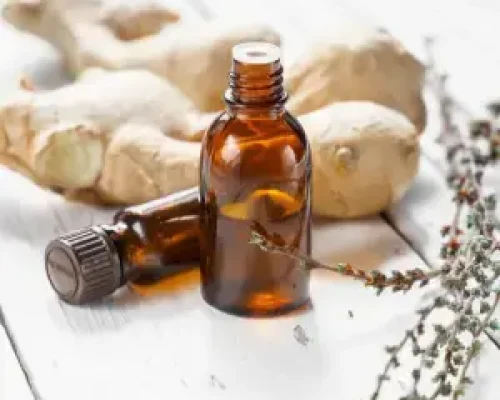
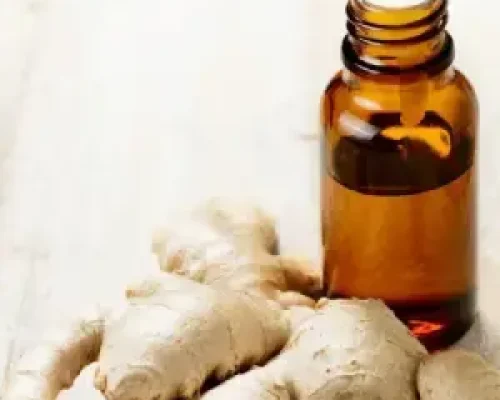
Main Assay:Ginger Essential Oil
CAS No.:8007-08-7
MOQ:1.0KGS
Quality Control
All goods we carry are manufactured with the best quality,leading the quality of life and fashion trends.








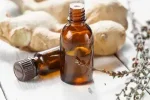

Ginger Essential Oil
Ginger essential oil is an essential oil extracted from the ginger root (Zingiber officinale) by steam distillation or cold pressing. It has a strong aroma and a variety of potential health benefits, and is widely used in aromatherapy, skin care, and some traditional natural remedies.Please make sure to contact us at info@wingengroup.com if you have demand of this product, we will feedback back to you within 12 hours.
Main Assay:
CAS No.:
MOQ:
Ginger Essential Oil
8007-08-7
1.0KGS
Quality Control
All goods we carry are manufactured with the best quality,leading the quality of life and fashion trends.








Description
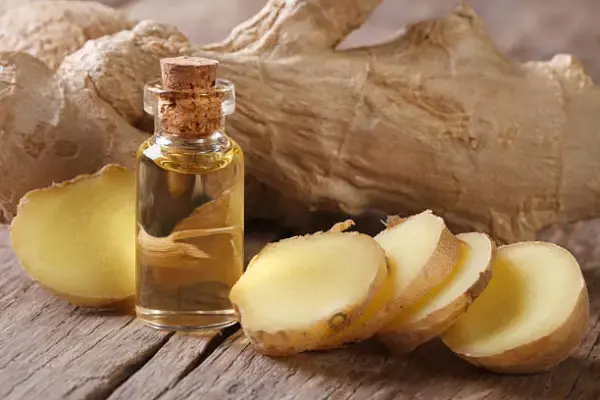
Ginger Essential Oil is an essential oil extracted from the ginger root (Zingiber officinale) by steam distillation. It has a strong, warm, spicy aroma. Ginger Essential Oil has been used in traditional medicine, aromatherapy, and beauty since ancient times. It is not only famous for its refreshing aroma, but also highly regarded for its many health benefits.
Key Characteristics of Ginger Essential Oil
Botanical Name: Zingiber officinale.
Extraction Method: Steam distillation from the root.
Aroma: Spicy, warm, and invigorating with a hint of sweetness.
Color: Pale yellow to amber.
Main Components: Zingiberene, Gingerol, Citral, Pinene, and other bioactive compounds.
Ginger essential oil is not only popular for its unique aroma, but also for its many health benefits. Whether it is improving digestion, enhancing immunity, or relieving pain and stress, ginger essential oil can provide effective help.
Benefits of Ginger Essential Oil
Ginger essential oil is valued for its wide range of health benefits, which include:
1. Anti-inflammatory and Pain Relief: Ginger oil has strong anti-inflammatory properties that help reduce pain and inflammation, especially in conditions like arthritis, muscle soreness, or general aches.
2. Digestive Support: Ginger oil is commonly used to relieve nausea, indigestion, and other digestive issues. It can help alleviate symptoms of motion sickness, morning sickness during pregnancy, and general stomach discomfort.
3. Immune System Booster: The oil contains compounds that have antibacterial, antiviral, and antifungal properties, supporting the immune system in fighting off infections and illnesses.
4. Improved Circulation: Ginger oil is known for promoting healthy blood circulation. It can help reduce cold extremities, alleviate fatigue, and improve overall energy levels.
5. Stress Relief and Mental Clarity: The warm and invigorating aroma of ginger oil has a stimulating effect, which can help reduce feelings of stress and anxiety, while also enhancing mental focus and clarity.
6. Skin Health: Ginger essential oil has antioxidant properties, making it useful in skincare for reducing signs of aging, improving skin tone, and reducing the appearance of blemishes. It can also help with conditions like acne and eczema due to its anti-inflammatory and antiseptic qualities.
Application of Ginger Essential Oil
Ginger Essential Oil can be used in a wide range of products across different industries due to its versatile therapeutic, aromatic, and cosmetic properties. Here are some common products in which ginger essential oil can be included:
1. Aromatherapy Products
Diffusers: Ginger essential oil is commonly used in essential oil diffusers to promote relaxation, reduce stress, and boost energy.
Aromatherapy Blends: It is often included in pre-made or custom essential oil blends for mental clarity, emotional balance, and stress relief.
Inhalers: Portable inhalers with ginger essential oil are used to relieve nausea or provide a calming effect on the mind.
2. Skincare Products
Anti-Aging Creams & Serums: Due to its antioxidant properties, ginger essential oil is used in formulations aimed at reducing the appearance of fine lines, wrinkles, and age spots.
Facial Masks: Ginger essential oil can be included in facial masks to rejuvenate the skin, improve circulation, and promote a healthy glow.
Acne Treatment: Its antibacterial and anti-inflammatory properties make it useful in acne treatment products, reducing redness and inflammation.
Body Scrubs: Ginger essential oil can be found in exfoliating body scrubs to stimulate circulation and provide an energizing scent.
Moisturizers: It can be added to moisturizers to improve skin tone and texture, and soothe dry or irritated skin.
3. Haircare Products
Shampoos and Conditioners: Ginger essential oil is used to improve scalp health, promote hair growth, and enhance the overall vitality of hair.
Hair Masks: It can be included in deep conditioning treatments to nourish the scalp, prevent dandruff, and stimulate hair follicles.
Hair Serums: Ginger oil is used in serums to add shine, reduce frizz, and maintain healthy hair.
4. Massage and Relaxation Products
Massage Oils: Ginger essential oil is often diluted in carrier oils (e.g., coconut oil, sweet almond oil) and used in massage therapy to relieve muscle tension, improve circulation, and reduce joint pain.
Pain Relief Balms and Creams: Its anti-inflammatory properties make ginger essential oil a common ingredient in muscle rubs and topical creams designed to soothe pain from arthritis, strains, or sprains.
5. Personal Care Products
Deodorants: Ginger essential oil can be included in natural deodorants due to its antimicrobial properties and fresh, spicy scent.
Toothpaste: It can be used in toothpaste formulations for its antibacterial benefits, promoting fresh breath and gum health.
Shaving Creams: Its soothing and anti-inflammatory properties help reduce irritation caused by shaving.
6. Household Products
Cleaning Products: Ginger essential oil is sometimes included in natural cleaning products for its antimicrobial and freshening properties, leaving a pleasant scent in the home.
Air Fresheners: It is used in air fresheners and room sprays for its refreshing and invigorating aroma.
7. Dietary Supplements & Wellness Products
Capsules/Tablets: Ginger essential oil may be used in dietary supplements for its digestive benefits, such as alleviating nausea or improving gut health.
Herbal Teas: It can be found in blends of herbal teas, where it contributes its digestive and anti-inflammatory properties.
Foot Soaks: Ginger oil is sometimes added to foot soaks for its soothing, warming, and rejuvenating effects.
8. Perfumes and Fragrances
Fragrance Oils: Ginger essential oil is used in perfumes and colognes for its spicy, warm aroma. It’s often part of earthy or citrus blends.
Scented Candles: Ginger oil is commonly used in candles for its invigorating fragrance that can help uplift the mood.
9. Food and Beverage Products (Limited Use)
Flavored Products: While typically used in food-grade ginger extract form, ginger essential oil can be included in certain food and beverage products, such as flavored waters, ginger teas, and confectioneries (but must be used in very small quantities to ensure safety).
10. Medical and Therapeutic Products
Cold and Flu Remedies: Ginger essential oil is a common ingredient in products aimed at alleviating symptoms of colds, coughs, and congestion, such as vapor rubs or steam inhalers.
Nausea Relief: It is often used in natural remedies, including patches, lozenges, and sprays for its effectiveness in relieving nausea and motion sickness.
Ginger essential oil has a wide range of applications and numerous health, beauty and therapeutic benefits. In addition to the common uses mentioned above, ginger essential oil is also widely added to various health, personal care and beauty products to help improve product performance and user experience. With its unique anti-inflammatory, antioxidant, and blood circulation promoting properties, ginger essential oil has become an important raw material in many industries.
If you need more detailed information about ginger essential oil or to explore its potential application in your products, please feel free to contact us. We will provide you with professional advice and support.
Specification
| Property | Specification |
|---|---|
| Botanical Name | Zingiber officinale |
| CAS Number | 8007-08-7 |
| Extraction Method | Steam Distillation |
| Appearance | Clear to pale yellow liquid |
| Aroma | Spicy, warm, and invigorating |
| Density | 0.860 - 0.900 g/cm³ |
| Refractive Index | 1.460 - 1.475 |
| Flash Point | 70°C (158°F) |
| Boiling Point | 245°C (473°F) |
| Solubility | Soluble in alcohol, oils; Insoluble in water |
| Main Components | Zingiberene, Gingerol, Citral, Pinene |
| Storage | Store in a cool, dry place, away from sunlight |
| Usage | Aromatherapy, massage, skincare, and in diffusers |
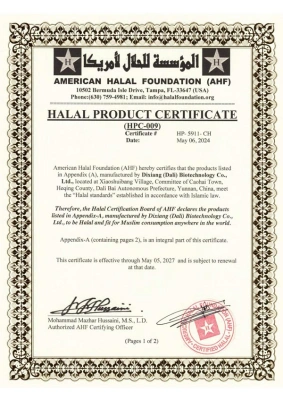
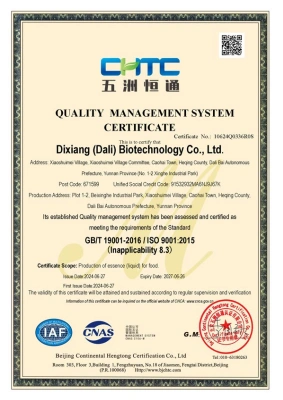
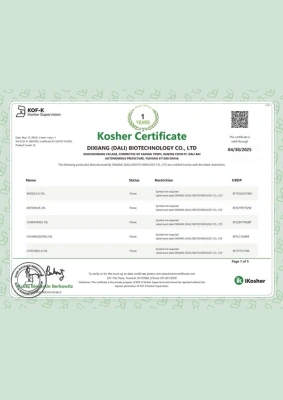
Certification
Precautions
When purchasing Ginger Essential Oil for factory use, the following key points should be considered:
1. Quality Assurance: Request a Certificate of Analysis (COA) to ensure the oil’s purity and composition meet the required standards.
2. Storage Conditions: Ensure the ginger essential oil is stored in a cool, dry place, away from direct sunlight.
3. Certification Requirements: Verify if the oil meets relevant certifications such as organic etc.
4. Supplier Reputation: Choose a supplier with a good reputation and a stable supply capability.
5. Samples and Testing: Request samples and conduct quality testing before placing a bulk order.
6. Pricing and Payment Terms: Clarify pricing, payment methods, and delivery schedules.
Related Products

Contact Us
info@wingengroup.com
+86-21-39652034
+86-17717633275
Address
Room 207, Building 3, No. 2216 Jingao Road, Pudong New Area, Shanghai, China

Description
Ginger Essential Oil is an essential oil extracted from the ginger root (Zingiber officinale) by steam distillation. It has a strong, warm, spicy aroma. Ginger Essential Oil has been used in traditional medicine, aromatherapy, and beauty since ancient times. It is not only famous for its refreshing aroma, but also highly regarded for its many health benefits.
Key Characteristics of Ginger Essential Oil
Botanical Name: Zingiber officinale.
Extraction Method: Steam distillation from the root.
Aroma: Spicy, warm, and invigorating with a hint of sweetness.
Color: Pale yellow to amber.
Main Components: Zingiberene, Gingerol, Citral, Pinene, and other bioactive compounds.
Ginger essential oil is not only popular for its unique aroma, but also for its many health benefits. Whether it is improving digestion, enhancing immunity, or relieving pain and stress, ginger essential oil can provide effective help.
Benefits of Ginger Essential Oil
Ginger essential oil is valued for its wide range of health benefits, which include:
1. Anti-inflammatory and Pain Relief: Ginger oil has strong anti-inflammatory properties that help reduce pain and inflammation, especially in conditions like arthritis, muscle soreness, or general aches.
2. Digestive Support: Ginger oil is commonly used to relieve nausea, indigestion, and other digestive issues. It can help alleviate symptoms of motion sickness, morning sickness during pregnancy, and general stomach discomfort.
3. Immune System Booster: The oil contains compounds that have antibacterial, antiviral, and antifungal properties, supporting the immune system in fighting off infections and illnesses.
4. Improved Circulation: Ginger oil is known for promoting healthy blood circulation. It can help reduce cold extremities, alleviate fatigue, and improve overall energy levels.
5. Stress Relief and Mental Clarity: The warm and invigorating aroma of ginger oil has a stimulating effect, which can help reduce feelings of stress and anxiety, while also enhancing mental focus and clarity.
6. Skin Health: Ginger essential oil has antioxidant properties, making it useful in skincare for reducing signs of aging, improving skin tone, and reducing the appearance of blemishes. It can also help with conditions like acne and eczema due to its anti-inflammatory and antiseptic qualities.

Application of Ginger Essential Oil
Ginger Essential Oil can be used in a wide range of products across different industries due to its versatile therapeutic, aromatic, and cosmetic properties. Here are some common products in which ginger essential oil can be included:
1. Aromatherapy Products
Diffusers: Ginger essential oil is commonly used in essential oil diffusers to promote relaxation, reduce stress, and boost energy.
Aromatherapy Blends: It is often included in pre-made or custom essential oil blends for mental clarity, emotional balance, and stress relief.
Inhalers: Portable inhalers with ginger essential oil are used to relieve nausea or provide a calming effect on the mind.
2. Skincare Products
Anti-Aging Creams & Serums: Due to its antioxidant properties, ginger essential oil is used in formulations aimed at reducing the appearance of fine lines, wrinkles, and age spots.
Facial Masks: Ginger essential oil can be included in facial masks to rejuvenate the skin, improve circulation, and promote a healthy glow.
Acne Treatment: Its antibacterial and anti-inflammatory properties make it useful in acne treatment products, reducing redness and inflammation.
Body Scrubs: Ginger essential oil can be found in exfoliating body scrubs to stimulate circulation and provide an energizing scent.
Moisturizers: It can be added to moisturizers to improve skin tone and texture, and soothe dry or irritated skin.
3. Haircare Products
Shampoos and Conditioners: Ginger essential oil is used to improve scalp health, promote hair growth, and enhance the overall vitality of hair.
Hair Masks: It can be included in deep conditioning treatments to nourish the scalp, prevent dandruff, and stimulate hair follicles.
Hair Serums: Ginger oil is used in serums to add shine, reduce frizz, and maintain healthy hair.
4. Massage and Relaxation Products
Massage Oils: Ginger essential oil is often diluted in carrier oils (e.g., coconut oil, sweet almond oil) and used in massage therapy to relieve muscle tension, improve circulation, and reduce joint pain.
Pain Relief Balms and Creams: Its anti-inflammatory properties make ginger essential oil a common ingredient in muscle rubs and topical creams designed to soothe pain from arthritis, strains, or sprains.
5. Personal Care Products
Deodorants: Ginger essential oil can be included in natural deodorants due to its antimicrobial properties and fresh, spicy scent.
Toothpaste: It can be used in toothpaste formulations for its antibacterial benefits, promoting fresh breath and gum health.
Shaving Creams: Its soothing and anti-inflammatory properties help reduce irritation caused by shaving.

6. Household Products
Cleaning Products: Ginger essential oil is sometimes included in natural cleaning products for its antimicrobial and freshening properties, leaving a pleasant scent in the home.
Air Fresheners: It is used in air fresheners and room sprays for its refreshing and invigorating aroma.
7. Dietary Supplements & Wellness Products
Capsules/Tablets: Ginger essential oil may be used in dietary supplements for its digestive benefits, such as alleviating nausea or improving gut health.
Herbal Teas: It can be found in blends of herbal teas, where it contributes its digestive and anti-inflammatory properties.
Foot Soaks: Ginger oil is sometimes added to foot soaks for its soothing, warming, and rejuvenating effects.
8. Perfumes and Fragrances
Fragrance Oils: Ginger essential oil is used in perfumes and colognes for its spicy, warm aroma. It’s often part of earthy or citrus blends.
Scented Candles: Ginger oil is commonly used in candles for its invigorating fragrance that can help uplift the mood.
9. Food and Beverage Products (Limited Use)
Flavored Products: While typically used in food-grade ginger extract form, ginger essential oil can be included in certain food and beverage products, such as flavored waters, ginger teas, and confectioneries (but must be used in very small quantities to ensure safety).
10. Medical and Therapeutic Products
Cold and Flu Remedies: Ginger essential oil is a common ingredient in products aimed at alleviating symptoms of colds, coughs, and congestion, such as vapor rubs or steam inhalers.
Nausea Relief: It is often used in natural remedies, including patches, lozenges, and sprays for its effectiveness in relieving nausea and motion sickness.
Ginger essential oil has a wide range of applications and numerous health, beauty and therapeutic benefits. In addition to the common uses mentioned above, ginger essential oil is also widely added to various health, personal care and beauty products to help improve product performance and user experience. With its unique anti-inflammatory, antioxidant, and blood circulation promoting properties, ginger essential oil has become an important raw material in many industries.
If you need more detailed information about ginger essential oil or to explore its potential application in your products, please feel free to contact us. We will provide you with professional advice and support.
Specification
| Property | Specification |
|---|---|
| Botanical Name | Zingiber officinale |
| CAS Number | 8007-08-7 |
| Extraction Method | Steam Distillation |
| Appearance | Clear to pale yellow liquid |
| Aroma | Spicy, warm, and invigorating |
| Density | 0.860 - 0.900 g/cm³ |
| Refractive Index | 1.460 - 1.475 |
| Flash Point | 70°C (158°F) |
| Boiling Point | 245°C (473°F) |
| Solubility | Soluble in alcohol, oils; Insoluble in water |
| Main Components | Zingiberene, Gingerol, Citral, Pinene |
| Storage | Store in a cool, dry place, away from sunlight |
| Usage | Aromatherapy, massage, skincare, and in diffusers |
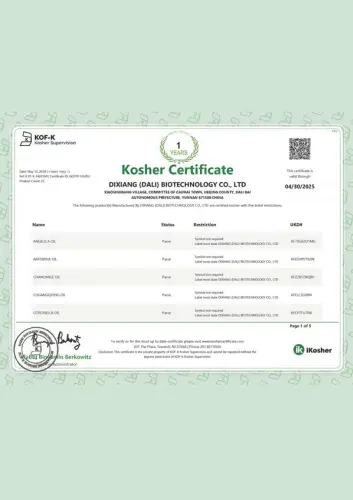
Certification


Precautions
When purchasing Ginger Essential Oil for factory use, the following key points should be considered:
1. Quality Assurance: Request a Certificate of Analysis (COA) to ensure the oil’s purity and composition meet the required standards.
2. Storage Conditions: Ensure the ginger essential oil is stored in a cool, dry place, away from direct sunlight.
3. Certification Requirements: Verify if the oil meets relevant certifications such as organic etc.
4. Supplier Reputation: Choose a supplier with a good reputation and a stable supply capability.
5. Samples and Testing: Request samples and conduct quality testing before placing a bulk order.
6. Pricing and Payment Terms: Clarify pricing, payment methods, and delivery schedules.