

Jasmine Oil contains a variety of compounds such as benzyl alcohol, benzyl alcohol, and linalool. Its own fragrant smell can interfere with and stimulate the sense of smell of insects, which will cause the “avoidance” response of insects and has a natural insect repellent effect. However, many related studies have shown that its insect repellent effect is limited and cannot replace chemical insect repellent solutions including insecticides.
The insect-repellent effect of Jasmine Oil
Jasmine oil can repel mosquitoes, lice and some agricultural pests, but compared with citronella oil, lemon oil and peppermint oil, its insect repellent effect is weaker and the duration is slightly shorter. More often, it is used as an auxiliary solution or an auxiliary formula for insect repellent.
Jasmine Oil can be used in daily, non-severe pest control situations, but it is not suitable for addressing serious mosquito problems or in environments with a high mosquito population.
How to use Jasmine Oil to repel insects?
Jasmine Oil can be used for repelling insects in various ways, such as applying it to the skin, using it in a diffuser, or making insect-repellent items like sprays, candles, and sachets. It is particularly suitable for low-density mosquito environments and poses no safety risks to the human body.
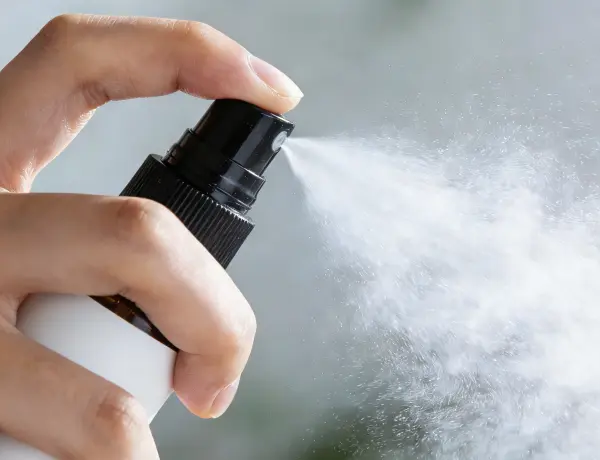
1.Apply to the skin
Applying Jasmine Oil to the skin for insect repellent purposes is a relatively common approach. However, it is important to note that a skin sensitivity test should be conducted before application. Apply a concentration of less than 1% of the essential oil to the back of the hand (avoiding sensitive areas such as the face), and observe for 24 hours to ensure no itching or redness occurs before using.
In addition, high-concentration Jasmine Oil should not be applied directly to the skin. It needs to be diluted by mixing with other base oils (such as almond oil or grape seed oil). The specific dilution ratio is 1 drop of Jasmine Oil for every 1 ml of base oil.
Apply the diluted mixed essential oil to exposed skin areas such as the arms and ankles. Reapply every 2 to 3 hours to ensure the insect repellent effect.
2. Aromatherapy Diffusion

Place the aroma diffuser in the living room, study or other indoor environments. Add 3 to 5 drops of undiluted Jasmine Oil to the water and then diffuse the fragrance.
Each use should not exceed 2 hours, and it is necessary to ensure good ventilation. Additionally, the incense burner must not be heated; otherwise, it will reduce the insect-repellent effect of Jasmine Oil and pose a fire hazard.
3. Making insect repellent items
Insect Repellent Spray
Formula: 100ml of clear water + 10-15 drops of jasmine essential oil + 5-10ml of medical alcohol
Operation: Pour into a spray bottle, shake well, and spray on the inner walls of wardrobes, window and door frames, and other areas prone to mosquito infestation.
Note: Do not apply the spray directly to the skin. Also, avoid spraying it on food, tableware, and clothing. In a well-ventilated environment, multiple sprays should be applied to ensure effectiveness.
Worm-repellent candle

Using candles made of safe materials with low melting points such as soy or coconut wax as raw materials, and blending them with Jasmine Oil of over 99% purity that contains no fragrance, the liquid is melted and mixed, then formed through molds. When lit, it can produce an insect-repelling effect.
Note:
1. The insect repellent candles are only effective against small insects and have a weak effect, and are ineffective against mosquitoes and ants.
2. Pregnant women, infants and pet-owning families should avoid using them.
3. When making insect repellent candles, keep away from open flames, and when using them, keep away from flammable materials to avoid fire hazards.
Insect-repellent sachet
Soak cotton balls or cloth bags in 3-5 drops of undiluted Jasmine Oil and place them in areas such as wardrobes or windowsills. The aroma released can help repel insects.
Suggestions and Summary
1. Jasmine oil can only be used as an auxiliary insect repellent. It can repel insects in a mild way but is not effective against high-density mosquito problems.
2. Mixing jasmine essential oil with other essential oils (such as citronella oil and lemon oil) can achieve a more ideal insect repellent effect.
3. Women, infants, people with respiratory diseases, and pet owners should avoid using Jasmine Oil for mosquito repellent to prevent potential health risks.
