Curcumin
Curcumin
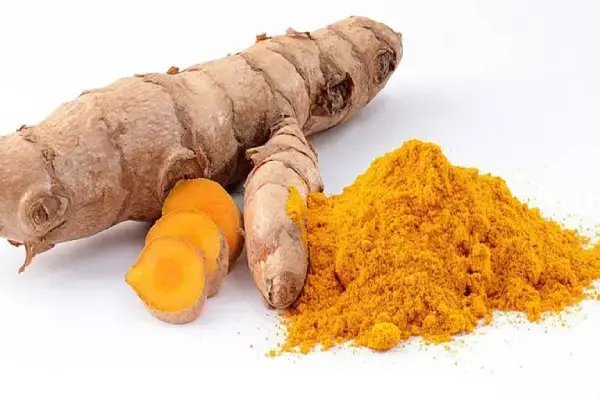
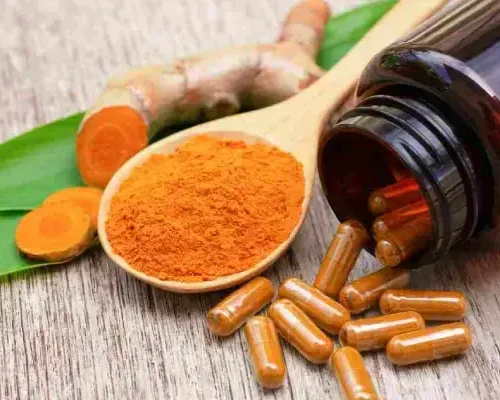
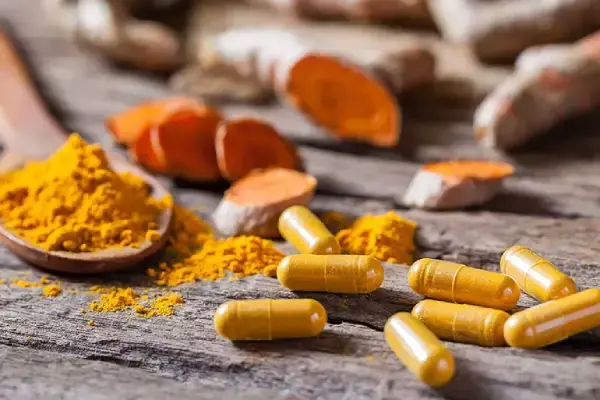
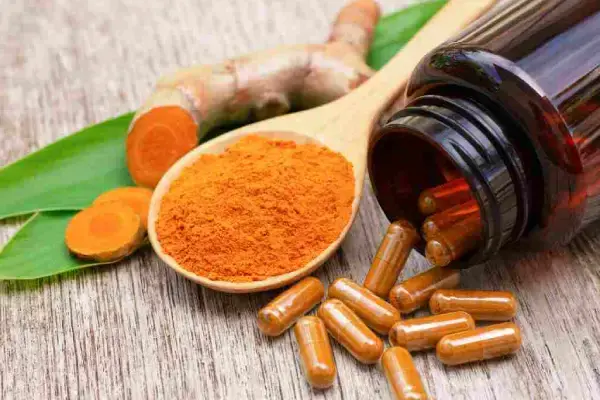
Curcumin is a natural compound extracted from the rhizome of turmeric (Curcuma longa) with a variety of health benefits such as anti-inflammatory, antioxidant and anti-cancer. It is commonly used in dietary supplements, health products, food additives (as natural pigments) and cosmetics.Please make sure to contact us at info@wingengroup.com if you have demand of this product, we will feedback back to you within 12 hours.
Main Assay: Curcumin
CAS No.: 458-37-7
MOQ: 25.0KGS
Quality Control
All goods we carry are manufactured with the best quality,leading the quality of life and fashion trends.
Curcumin
Curcumin is a natural compound extracted from the rhizome of turmeric (Curcuma longa) with a variety of health benefits such as anti-inflammatory, antioxidant and anti-cancer. It is commonly used in dietary supplements, health products, food additives (as natural pigments) and cosmetics.Please make sure to contact us at info@wingengroup.com if you have demand of this product, we will feedback back to you within 12 hours.
Main Assay:
CAS No.:
MOQ:
Curcumin
458-37-7
25.0KGS
Quality Control
All goods we carry are manufactured with the best quality,leading the quality of life and fashion trends.
Description
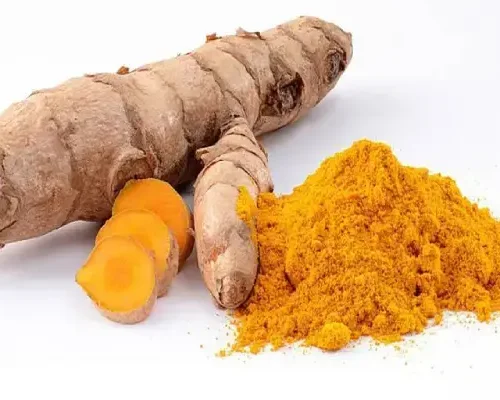
Curcumin is the principal curcuminoid of the popular Indian spice turmeric, which is a member of the ginger family (Zingiberaceae). Turmeric’s other two curcuminoids are desmethoxycurcumin and bis-desmethoxycurcumin. The curcuminoids are natural phenols that are responsible for the yellow color of turmeric.
Curcumin can exist in several tautomeric forms, including a 1,3-diketo form and two equivalent enol forms. The enol form is more energetically stable in the solid phase and in solution.Curcumin can be used for boron quantification in the curcumin method.
It reacts with boric acid to form a red-colored compound, rosocyanine.Curcumin is brightly yellow colored and may be used as a food coloring. As a food additive, its E number is E100.
Basic Information
Chemical name: Curcumin
Molecular formula: C21H20O6
Molecular weight: 368.39 g/mol
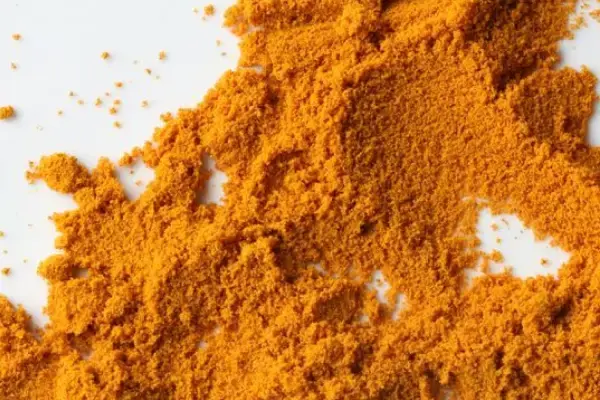
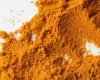
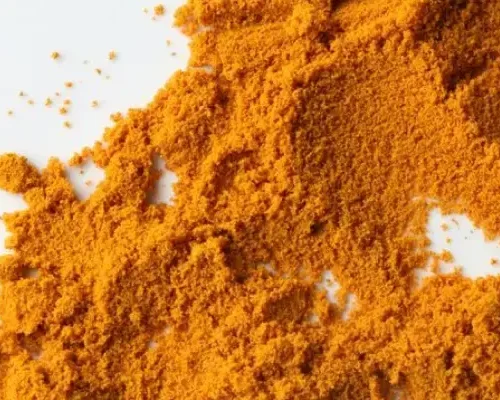
Appearance: Bright yellow to orange powder
Melting point: 183 °C (361 K)
Appearance: Curcumin is usually a yellow or orange powder.
Solubility: It has poor solubility in water, but can be dissolved in organic solvents such as ethanol, acetone and dimethylsulfamide (DMSO).
Benefits of Curcumin
Curcumin is known for its potent anti-inflammatory and antioxidant properties. It has been studied extensively for its potential health benefits, including:
1. Anti-inflammatory
Curcumin may help reduce inflammation in the body, which is linked to various chronic diseases like arthritis, heart disease, and some cancers.
2. Antioxidant
It helps neutralize free radicals, which can damage cells and contribute to aging and diseases.
3. Potential anti-cancer properties
Some studies suggest curcumin may inhibit the growth of cancer cells and help in preventing the spread of tumors, though more research is needed.
4. Brain health
Curcumin has been explored for its effects on brain function, including its potential to increase levels of brain-derived neurotrophic factor (BDNF), which is linked to improved memory and cognitive function.
5. Digestive support
It may aid digestion and promote gut health by reducing symptoms of indigestion and bloating.
Specification
| ITEMS | STANDARDs |
|---|---|
| Appearance | Yellow or Orange Fine Powder |
| Odor | Characteristic |
| Assay(%) | Total Curcuminoids: 95 Min by HPLC |
| Loss on drying(%) | 5.0 Max |
| Residue on Ignition(%) | 1.0 Max |
| Heavy Metals(ppm) | 10.0 Max |
| Pb(ppm) | 2.0 Max |
| As(ppm) | 2.0 Max |
| Total Plate Count(cfu/g) | 1000 Max |
| Yeast & Mold(cfu/g) | 100 Max |
| E.Coli | Negative |
| Salmonella | Negative |
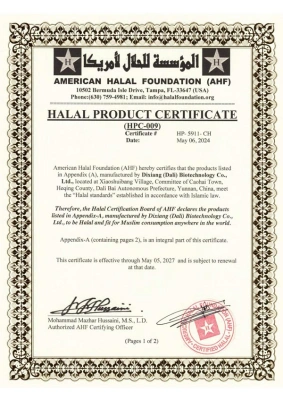
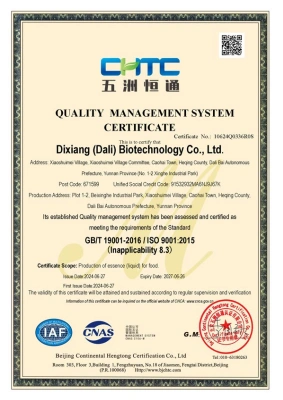
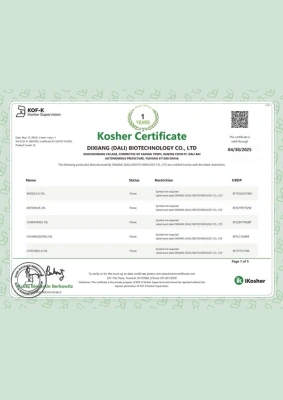
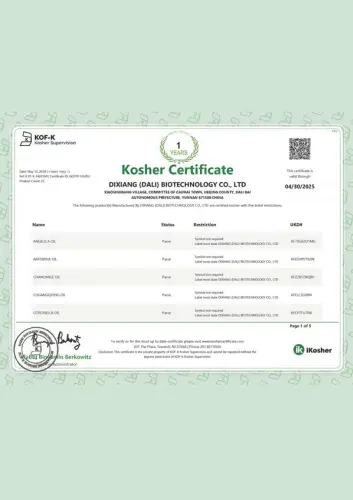
Certification


Application
Curcumin is widely used in various products due to its unique health benefits and natural sources, especially in health products, food, cosmetics and pharmaceuticals. The following are common applications of curcumin:
1. Dietary supplements
Curcumin, as a powerful anti-inflammatory and antioxidant ingredient, is often added to various dietary supplements, mainly used for:
Anti-inflammatory supplements: Helps relieve inflammation caused by diseases such as arthritis and rheumatism.
Antioxidant supplements: Promote anti-aging and reduce free radical damage.
Digestive health: Relieve indigestion, gastrointestinal discomfort, etc.
Enhance immunity: Improve the immune system’s ability to resist disease.
2. Food and beverages
Natural pigments: Curcumin is a natural yellow pigment, commonly used in food and beverages, especially as E100 pigment in curry, soups, beverages, snacks, etc.
Functional foods: Curcumin is added to functional drinks, meal replacements and nutritional supplements to provide health benefits such as anti-inflammatory and antioxidant.
3. Cosmetics and Skin Care Products
Curcumin is widely used in skin care products for its anti-inflammatory, antioxidant, anti-aging and antibacterial properties, such as:
Anti-aging products: Reduces signs of skin aging, such as wrinkles and fine lines.
Soothing and repair products: Reduces skin redness, sensitivity and inflammation, commonly found in skin care products for sensitive skin.
Anti-acne and antibacterial products: Due to its antibacterial properties, Curcumin can be used in anti-acne skin care products.
Whitening products: Helps brighten skin tone and reduce spots.
4. Traditional and modern medicine
Medicine: Curcumin is used in some traditional herbal medicines or modern medicines as an ingredient to treat and relieve inflammation, gastrointestinal discomfort, joint pain and other diseases.
Natural treatment: Curcumin is used in some natural herbal formulas as an auxiliary therapeutic ingredient to improve liver health, cardiovascular health, etc.
5. Pet care products
Curcumin can also be used in some pet health products, especially those for elderly pets, to help relieve joint pain, improve digestion and promote anti-inflammatory effects.
6. Food additives
Curcumin is a natural food colorant and is often used in:
Seasonings: such as curry powder and spice mixtures.
Candies and baked goods: provide a natural yellow color to these foods.
7. Perfumes and essential oils
Although Curcumin itself is not often used as a main ingredient in perfumes, it can be used in natural essential oils and herbal extracts as a supporting ingredient to provide antioxidant and soothing effects.
Curcumin is widely used in multiple industries, including health supplements, food, cosmetics, pharmaceuticals, and pet care. Not only does it provide natural anti-inflammatory, antioxidant, and antibacterial health benefits, it has also become an increasingly popular additive due to its natural origin and versatility. If you are interested in using curcumin in a specific area, or want to learn more about its application, feel free to let me know!
Related Products

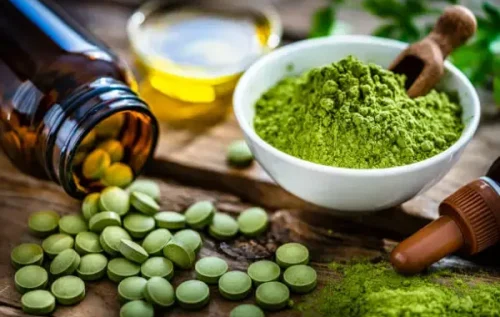
Green Tea Extract

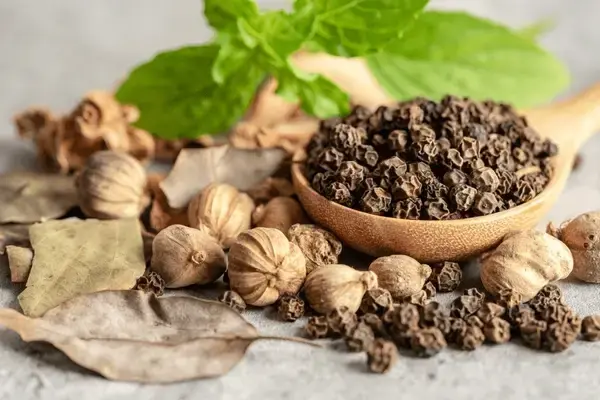
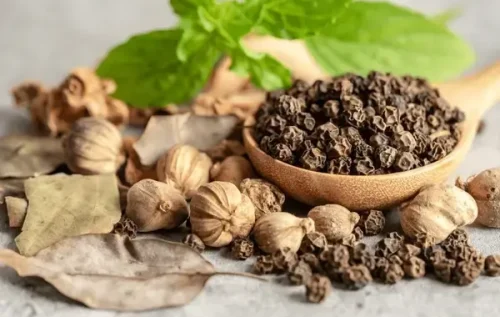
Black Pepper Extract

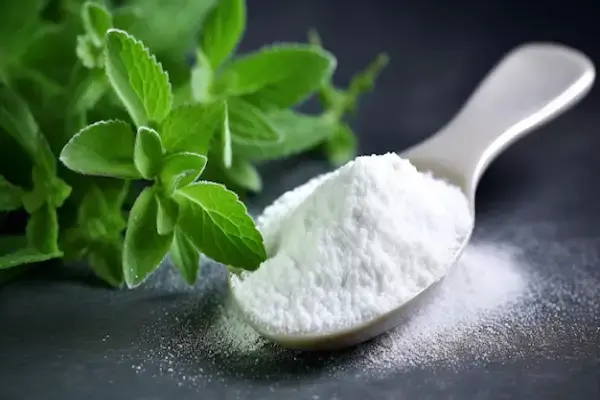
Stevia Extract

Milk Thistle Extract
Contact Us
info@wingengroup.com
+86-21-39652034
+86-17717633275
Address
Room 207, Building 3, No. 2216 Jingao Road, Pudong New Area, Shanghai, China
Description
Curcumin is the principal curcuminoid of the popular Indian spice turmeric, which is a member of the ginger family (Zingiberaceae). Turmeric’s other two curcuminoids are desmethoxycurcumin and bis-desmethoxycurcumin. The curcuminoids are natural phenols that are responsible for the yellow color of turmeric.
Curcumin can exist in several tautomeric forms, including a 1,3-diketo form and two equivalent enol forms. The enol form is more energetically stable in the solid phase and in solution.Curcumin can be used for boron quantification in the curcumin method.
It reacts with boric acid to form a red-colored compound, rosocyanine.Curcumin is brightly yellow colored and may be used as a food coloring. As a food additive, its E number is E100.
Basic Information
Chemical name: Curcumin
Molecular formula: C21H20O6
Molecular weight: 368.39 g/mol
Appearance: Bright yellow to orange powder
Melting point: 183 °C (361 K)
Appearance: Curcumin is usually a yellow or orange powder.
Solubility: It has poor solubility in water, but can be dissolved in organic solvents such as ethanol, acetone and dimethylsulfamide (DMSO).
Benefits of Curcumin
Curcumin is known for its potent anti-inflammatory and antioxidant properties. It has been studied extensively for its potential health benefits, including:
1. Anti-inflammatory
Curcumin may help reduce inflammation in the body, which is linked to various chronic diseases like arthritis, heart disease, and some cancers.
2. Antioxidant
It helps neutralize free radicals, which can damage cells and contribute to aging and diseases.
3. Potential anti-cancer properties
Some studies suggest curcumin may inhibit the growth of cancer cells and help in preventing the spread of tumors, though more research is needed.
4. Brain health
Curcumin has been explored for its effects on brain function, including its potential to increase levels of brain-derived neurotrophic factor (BDNF), which is linked to improved memory and cognitive function.
5. Digestive support
It may aid digestion and promote gut health by reducing symptoms of indigestion and bloating.
Specification
| ITEMS | STANDARDs |
|---|---|
| Appearance | Yellow or Orange Fine Powder |
| Odor | Characteristic |
| Assay(%) | Total Curcuminoids: 95 Min by HPLC |
| Loss on drying(%) | 5.0 Max |
| Residue on Ignition(%) | 1.0 Max |
| Heavy Metals(ppm) | 10.0 Max |
| Pb(ppm) | 2.0 Max |
| As(ppm) | 2.0 Max |
| Total Plate Count(cfu/g) | 1000 Max |
| Yeast & Mold(cfu/g) | 100 Max |
| E.Coli | Negative |
| Salmonella | Negative |
Application
Curcumin is widely used in various products due to its unique health benefits and natural sources, especially in health products, food, cosmetics and pharmaceuticals. The following are common applications of curcumin:
1. Dietary supplements
Curcumin, as a powerful anti-inflammatory and antioxidant ingredient, is often added to various dietary supplements, mainly used for:
Anti-inflammatory supplements: Helps relieve inflammation caused by diseases such as arthritis and rheumatism.
Antioxidant supplements: Promote anti-aging and reduce free radical damage.
Digestive health: Relieve indigestion, gastrointestinal discomfort, etc.
Enhance immunity: Improve the immune system’s ability to resist disease.
2. Food and beverages
Natural pigments: Curcumin is a natural yellow pigment, commonly used in food and beverages, especially as E100 pigment in curry, soups, beverages, snacks, etc.
Functional foods: Curcumin is added to functional drinks, meal replacements and nutritional supplements to provide health benefits such as anti-inflammatory and antioxidant.
3. Cosmetics and Skin Care Products
Curcumin is widely used in skin care products for its anti-inflammatory, antioxidant, anti-aging and antibacterial properties, such as:
Anti-aging products: Reduces signs of skin aging, such as wrinkles and fine lines.
Soothing and repair products: Reduces skin redness, sensitivity and inflammation, commonly found in skin care products for sensitive skin.
Anti-acne and antibacterial products: Due to its antibacterial properties, Curcumin can be used in anti-acne skin care products.
Whitening products: Helps brighten skin tone and reduce spots.
4. Traditional and modern medicine
Medicine: Curcumin is used in some traditional herbal medicines or modern medicines as an ingredient to treat and relieve inflammation, gastrointestinal discomfort, joint pain and other diseases.
Natural treatment: Curcumin is used in some natural herbal formulas as an auxiliary therapeutic ingredient to improve liver health, cardiovascular health, etc.
5. Pet care products
Curcumin can also be used in some pet health products, especially those for elderly pets, to help relieve joint pain, improve digestion and promote anti-inflammatory effects.
6. Food additives
Curcumin is a natural food colorant and is often used in:
Seasonings: such as curry powder and spice mixtures.
Candies and baked goods: provide a natural yellow color to these foods.
7. Perfumes and essential oils
Although Curcumin itself is not often used as a main ingredient in perfumes, it can be used in natural essential oils and herbal extracts as a supporting ingredient to provide antioxidant and soothing effects.
Curcumin is widely used in multiple industries, including health supplements, food, cosmetics, pharmaceuticals, and pet care. Not only does it provide natural anti-inflammatory, antioxidant, and antibacterial health benefits, it has also become an increasingly popular additive due to its natural origin and versatility. If you are interested in using curcumin in a specific area, or want to learn more about its application, feel free to let me know!
Related Products

Green Tea Extract

Black Pepper Extract

Stevia Extract