

1. Why Tea Tree Oil Works for Dandruff
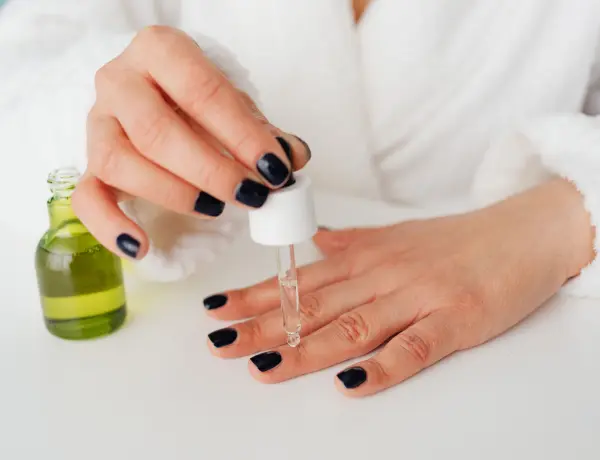
Dandruff almost always stems from an overgrowth of Malassezia — a natural yeast that lives on everyone’s scalp. Small amounts of this yeast are totally harmless. But if your scalp makes too much tea tree oil, your scalp barrier gets damaged, or your hormones shift, Malassezia multiplies out of control.
This yeast breaks down scalp oils into fatty acids that irritate your scalp’s outer layer. The result? Your skin sheds way faster than normal, plus redness, inflammation and constant itching — all the classic signs of dandruff. In worse cases, this irritation turns into seborrheic dermatitis.
Tea tree oil (extracted from the Melaleuca alternifolia plant) gets its anti-dandruff power mainly from terpinen-4-ol. Quality tea tree oil needs at least 30% terpinen-4-ol by industry standards. Pinene and gamma-terpinene act as secondary supporting active compounds.
Three Key Ways Tea Tree Oil Fights Dandruff
1. It slows runaway Malassezia growth (the most important benefit)
Terpinen-4-ol breaks down the yeast’s outer cell walls, messes with its membrane permeability and stops the fungus from spreading and reproducing. It won’t wipe out Malassezia entirely — only super high doses kill fungus outright; normally it just keeps yeast levels in check.
How it stacks up against over-the-counter anti-dandruff shampoos:
Ketoconazole stops fungi from building cell membranesSelenium sulfide destroys fungal cells and calms overactive skin shedding Tea tree oil is a natural alternative. It’s gentler on skin but weaker than those medicated active ingredients.
Important note: Malassezia is a normal part of your scalp’s microbiome, so tea tree oil can’t eliminate it forever. The goal is just to bring yeast numbers back to healthy levels. If you stop using it, or your scalp starts producing more oil again, dandruff will likely come back.
2. Calms inflammation to ease itchy, irritated scalps
Malassezia’s waste products trigger mild scalp inflammation, which feels like redness, itchiness and a burning sensation.
The terpenes in tea tree oil dial down inflammatory chemicals on your scalp, soothing red, itchy skin. This isn’t a steroid-based quick itch fix — it eases irritation indirectly by targeting the root fungal inflammation.
One big catch: It only relieves itch caused by yeast. If your flaking and irritation come from allergies or contact rashes, tea tree oil can actually make your scalp feel worse.
3. Gently balances skin cells and cuts excess scalp oil
It slows skin cells from multiplying too quickly, which cuts down tiny, thin dandruff flakes. That said, it’s nowhere near as powerful as salicylic acid or zinc pyrithione (ZPT) at exfoliating dead skin.
It also slightly slows oil production on your scalp, removing the food source Malassezia feeds on. This is just a minor bonus effect — don’t rely on tea tree oil alone to control oily hair.
Heads up: It can’t dissolve thick, crusty dead skin well. If you have big, heavy dandruff scales, tea tree oil by itself won’t get the job done.
Critical Limitations Most People Miss
Always dilute it — never put pure tea tree oil straight on your scalp Undiluted tea tree oil is extremely potent, and terpinen-4-ol easily irritates skin. Direct application breaks down your scalp barrier, causing stinging, redness, peeling and even worse dandruff.
Safe scalp dilution guidelines:
1–2% mix: 2–4 drops tea tree oil per 10ml carrier oil
When mixing into shampoo: 5–10 drops per 100ml shampoo
Only works for dandruff and mild seborrheic dermatitis caused by excess Malassezia It won’t help if your flaking comes from:
Dry scalp with no fungal overgrowthScalp psoriasis or severe seborrheic dermatitisRashes and flakes triggered by skin allergies
Results take time Medicated anti-dandruff shampoos usually clear up symptoms in 3–7 days. Tea tree oil needs consistent daily use for 2–4 weeks before you’ll see improvements. For stubborn dandruff, pair it with medicated shampoo instead of using it alone.
Allergy risk is common Tea tree oil frequently causes contact allergies. Many people have sensitive reactions to its terpene compounds. Always do a patch test behind your ear or on a tiny patch of scalp before full use.
How to Tell Effective Tea Tree Oil Products Apart
1.How well tea tree oil fights dandruff all comes down to its terpinen-4-ol percentage:
Premium therapeutic-grade tea tree oil: ≥30% terpinen-4-ol, low 1,8-cineole (max 15% — cineole causes heavy skin irritation)Cheap low-quality essential oils: Barely any terpinen-4-ol, lots of harsh terpene impurities, weak antifungal power and higher irritation riskStore-bought tea tree shampoos: Most contain tiny trace amounts just for scent, not enough to kill yeast or control dandruff long-term.
Safety Warnings
Pregnant people, breastfeeding parents and babies should use it very cautiouslySkip use entirely if your scalp has open cuts, pus-filled pimples or inflamed breakoutsToxic to cats: Tea tree oil overloads a cat’s liver. If you own cats, keep them away from your treated scalp and oil-soaked towels.
2. Does Tea Tree Oil Stop Scalp Itch?
Yes — research backs tea tree oil as a reliable way to calm itchy scalps.
What’s Actually Making Your Scalp Itch?
The root cause ties straight back to the dandruff breakdown we covered earlier. Most scalp itch comes from Malassezia overgrowth and the inflammatory reaction the yeast creates. When Malassezia digests scalp oils, its waste irritates your scalp and brings on red, maddening itch.
Scientific Proof Tea Tree Oil Eases Itching
Direct anti-inflammatory action One study on contact rashes found tea tree oil reduced allergy-related skin inflammation by up to 40.5%. While this test focused on body skin, the inflammatory processes on your scalp work exactly the same way.Real user trial results A 28-day study with sensitive-scalp participants showed major drops in itch, burning, redness and overall inflammation for people using tea tree oil shampoo. This confirms it reliably soothes uncomfortable scalp irritation.Indirect relief for dandruff itch Tea tree oil is listed as a validated anti-itch, anti-dandruff ingredient in dozens of skincare patents and formulas. By cutting down yeast levels and dandruff, it naturally gets rid of the itch those flakes create.
Important Warning: It Can Also Cause Itching
Even though it soothes fungal irritation, tea tree oil itself is a known skin irritant and common allergen. Per the Mayo Clinic, topical tea tree oil can trigger negative side effects: rash, extra itch, stinging and burning.
Quick Summary & Usage Tips
Science verdict: Tea tree oil’s antifungal and anti-inflammatory traits ease scalp itch caused by yeast and mild seborrheic dermatitis.
Big risk: Misuse or sensitive skin can make your scalp itch even more.
Best practices to avoid worsening irritation: Stick to pre-diluted tea tree oil shampoo, always patch test first, and skip entirely if you live with eczema (atopic dermatitis).
3. Safe Ways to Use Tea Tree Oil for Dandruff
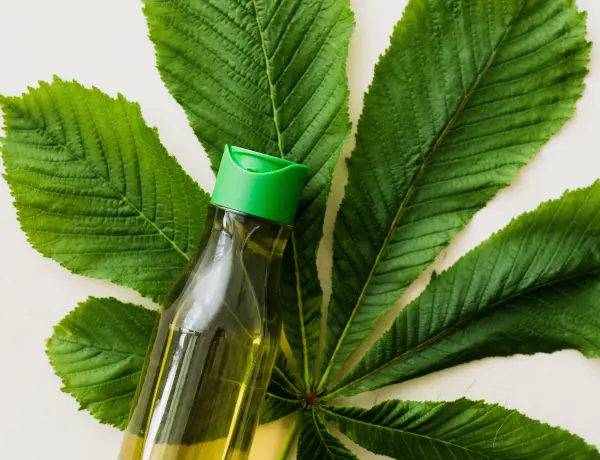
Core ground rules: Never apply undiluted oil straight to your scalp; always patch test beforehand. Only use for mild dandruff or light scalp itch. Wash thoroughly and stop using immediately if you feel stinging, redness or swelling.
Step 1: Do a Patch Test Before Full Use
Mix your diluted tea tree oil following the safe ratios aboveRub a tiny amount behind your ear or on a small scalp spotLeave it untouched for 24 hours — don’t rinse offIf you develop redness, itch, bumps or burning, you’re allergic — do not use. If no irritation pops up, it’s safe to use normally.
Two Gentle, Recommended Application Methods (Target 1–2% dilution)
Method 1: Mix into your regular shampoo (best for weekly upkeep)
Mix ratio: 5–10 drops tea tree oil per 100ml shampoo How to use: Shake the shampoo bottle well to blend everything evenly. Wash your hair normally, and let the lather sit on your scalp for 3–5 minutes so the active compounds work, then rinse fully. Frequency: 2–3 times weekly. Don’t use it every single day — long-term daily use irritates sensitive scalps.
Don’t squeeze pure oil drops straight onto your scalp mid-shampoo; this creates concentrated hot spots that burn and irritate skin.
Method 2: Pre-blended scalp massage oil (for moderate dandruff/itch, short-term only)
Mix 10ml carrier oil (jojoba or coconut oil work great) with 2–4 drops tea tree oil for a safe 1–2% dilution. How to use: Massage a thin layer into your scalp for 5–8 minutes. Rinse all oil off after 15–30 minutes — never leave it on overnight. Frequency: 1–2 times weekly. Take a break after 4 weeks straight to check your scalp’s condition.
Non-Negotiable Safety Rules
No undiluted oil directly on scalp — it causes chemical burns, stinging, peeling and worse dandruff
Skip use if your scalp has open wounds, pus pimples, severe seborrheic dermatitis or eczema
Keep far away from eyes. If oil splashes in your eyes, flush nonstop with cool water right away
Pregnant, breastfeeding people and children shouldn’t self-treat scalp issues with tea tree oil without medical advice
Cat owners: Tea tree oil is toxic to felines. Don’t let cats lick your shampoo towels or rub against your treated scalp
Stop use if itch or redness gets worse within 3–5 days of starting treatment
If you have large, crusty dandruff patches, don’t rely solely on essential oils — switch to medicated shampoo or book an appointment with a dermatologist.
4. How Long Until Tea Tree Oil Clears Up Dandruff Flakes?

First, what you need to know upfront: Tea tree oil only works for mild-to-moderate yeast-based dandruff and light seborrheic dermatitis. To see results, you need high-quality oil (minimum 30% terpinen-4-ol), proper dilution and consistent weekly use. It suppresses yeast instead of fully eliminating it, and acts far slower than ketoconazole or selenium sulfide medicated shampoos.
Realistic Timelines Based on Clinical Trials & User Experiences
Itch relief: 1–2 weeks Lots of people notice less scalp itch within one week. The terpenes calm inflammation and slow Malassezia growth to cut itchy irritation. Important note: It won’t stop itching instantly post-wash — this isn’t a fast-acting topical itch cream. If your scalp stings and itches right after application, that’s skin irritation or an allergy, not the product working.
Visible drop in dandruff flakes: 3–4 weeks One clinical trial found shampoo with 5% tea tree oil cut dandruff severity by roughly 41% after four weeks of daily use. For home-mixed 1–2% dilutions, most users only spot fewer flakes after 3–4 weeks of regular application.
Major visible improvement: 4–6 weeks With steady weekly use, fine, tiny dandruff flakes will clear up significantly, and oily, red scalp irritation calms down. Stubborn mild dandruff may take 6–8 weeks to fully stabilize.
Manage your expectations: Don’t expect zero dandruff in 3–5 days. Tea tree oil is a mild natural antifungal, so its benefits build slowly over time.
Factors That Speed Up or Slow Down Results
Oil quality: Cheap oil with low terpinen-4-ol barely makes any difference
Dilution strength: Too few drops in shampoo mean extremely slow progress; overly strong mixes irritate skin and trigger extra flakesDandruff severity
Small fine flakes, oily itchy scalp: Follows the timeline above
Thick crusty scales, severe seborrheic dermatitis: Tea tree oil alone won’t help much — start with medicated shampoo first
Usage consistency: Stick to 2–3 weekly applications; random occasional use delivers zero noticeable change
When to Stop & Switch Treatments
If you follow all instructions perfectly for six full weeks and your dandruff/itch hasn’t improved — or has gotten worse — one of two things is happening:
Your flakes aren’t caused by Malassezia (dry scalp shedding, eczema, psoriasis, etc.)The tea tree oil has irritated and damaged your scalp barrier
Discontinue use immediately, swap to medicated anti-dandruff shampoo, or schedule a dermatology visit.
5. What to Do If Your Scalp Burns & Aches After Using Tea Tree Oil
A tingling, burning scalp after tea tree oil is a clear sign of irritant contact dermatitis — your scalp cannot tolerate this oil. Step one: Stop all use right away.
Step 1: Emergency First Steps
Ditch every tea tree oil-infused product immediatelyRinse your scalp thoroughly with lukewarm water for several minutes to wash away all leftover oil or shampoo residue. Skip hot water — it amplifies burning irritation.
Step 2: Calm Mild Burning, Redness or Soreness
If you only have light pain and warmth, no blisters or peeling skin, try these soothing fixes:
Cold compresses: Wrap an ice pack in a soft towel and press gently to your scalp for short bursts. This constricts blood vessels, cools skin and dulls the burning feeling.Simplify hair washing: Switch to fragrance-free ultra-gentle baby shampoo or sensitive-scalp formulas with minimal ingredients.Cut out all extra irritants: Hold off on exfoliating hair treatments, heavy styling products and high-heat blow-drying until your scalp fully heals.
Step 3: When to See a Dermatologist (Severe Reactions)
Book a doctor’s appointment if any of these severe symptoms appear:
Redness, pain or burning doesn’t fade after 24 hours of rinsing, or grows more intenseBlisters, oozing or raw peeling skin on your scalp Unbearable, nonstop itching
Rash spreads onto your forehead, neck or ears
Your dermatologist may prescribe mild hydrocortisone cream to control inflammation fast, or oral antihistamine pills to relieve extreme itch.
How to Care for Your Scalp After It Heals
Even once all irritation fades, your scalp barrier stays fragile for weeks.
Skip tea tree oil products entirely in the future: This burning reaction signals an allergy; repeated exposure leads to far worse flare-ups.Repair damaged skin barrier: Use scalp serums with ceramides or panthenol (vitamin B5) to rebuild your scalp’s protective outer layer.Be gentle while washing: Massage only with your fingertips, never scratch your scalp with fingernails during recovery.
Why Did This Burning Reaction Happen?
Three common causes:
Overly strong dilution: You mixed too many oil drops, or your store-bought product has an excessively high oil concentration (over 5%)Applying pure undiluted oil directly — this is the most common mistake, as full-strength oil severely irritates scalp skin
Natural skin sensitivity: You have an easily irritated scalp or a confirmed allergy to compounds inside tea tree oil, a widely documented contact allergen.
6. Can I Mix Tea Tree Oil Straight Into My Shampoo Bottle?
Absolutely — blending tea tree oil into shampoo is the easiest, safest daily method. That said, you must stick to strict dilution rules and avoid pairing it with harsh shampoo formulas.
Best Shampoo Types to Mix With
Stick to mild options first: Amino acid-based or silicone-free shampoos work perfectly. Simple ingredient lists lower the risk of extra irritation from mixing dozens of harsh chemicals together.
Shampoos to Never Mix With Tea Tree Oil
Don’t add tea tree oil to strong alkaline formulas, deep cleansing clarifying shampoos, or anti-dandruff shampoos already loaded with salicylic acid, selenium sulfide or ketoconazole. Combining all these harsh actives breaks down your scalp barrier and triggers burning, itchy flare-ups.
How to Mix Oil Into Shampoo the Right Way
Mix single-use portions only: Squeeze your normal shampoo amount for one wash into your palm, add 2–3 drops tea tree oil, rub quickly to blend, then lather on hair.Do NOT pre-mix an entire shampoo bottle long-term: Oil separates from shampoo chemicals over time, creating uneven concentrations every wash. The oil can also break down shampoo ingredients and spoil the whole bottle.Leave lather on scalp 2–3 minutes before rinsing: Gives active oil compounds time to work without overexposing skin to irritation.
Adjustments for Extra Sensitive Scalps
If your scalp irritates easily or you’ve had mild burning reactions before: Cut the dose down to just one drop per wash, or alternate days (wash with tea tree oil one day, plain mild shampoo the next).
Final Wrap-Up
Adding tea tree oil to gentle shampoo is a super convenient daily hack to fight dandruff and scalp itch. As long as you mix fresh single-use portions, control your drop count, and avoid harsh shampoo bases, you’ll get consistent antifungal benefits without wrecking your scalp’s protective barrier.
