

1. Does Rose Oil Affect Pregnancy?
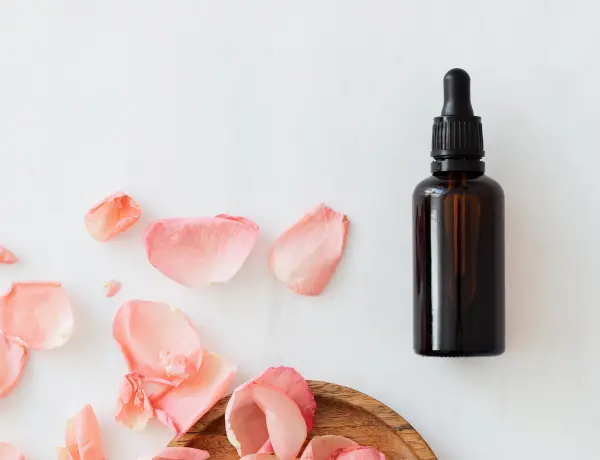
There’s no simple yes-or-no answer when it comes to rose essential oil and pregnancy. The research and expert advice split into two conflicting viewpoints: some studies find gentle benefits under very specific conditions, yet nearly all top health and aromatherapy authorities tell pregnant people to steer clear overall.
I will break down both sides clearly so you can weigh the risks and benefits for yourself.
Why Most Experts Advise Avoiding Rose Oil While Pregnant
This is the standard, conservative guidance you’ll see everywhere, and it’s rooted in solid reasoning:
Traditional aromatherapy history
Classic aromatherapy texts all note rose oil stimulates and regulates uterine activity. It’s long been used to treat irregular periods and abnormal uterine bleeding. This direct uterine-stimulating trait is the main reason experts flag it as risky for pregnancy.
Potential toxic risks from key ingredients
Rose oil’s primary active ingredient, phenylethanol, showed fetal developmental harm in rodent lab tests. When pregnant rats absorbed large amounts through their skin, researchers saw slower fetal growth, skeletal abnormalities, and embryo toxicity. That said, study authors stressed everyday skincare exposure carries negligible risk: typical human daily intake is only 0.02 mg/kg, with a safety buffer over 2,600x higher than dangerous doses. Even so, this lab data remains a key reason professionals urge caution.
Official health resource warnings Major trusted health databases and aromatherapy guides all explicitly state pregnant people should skip rose essential oil entirely.
When Rose Oil May Offer Safe Benefits (Only During Labor)
Recent clinical trials paint a different picture—rose aromatherapy delivers measurable perks for birthing parents, with zero severe adverse reactions recorded:
Eases labor pain and anxiety: Multiple trials confirm diffusing rose oil drastically cuts pain and stress for first-time birthers. A 2024 randomized controlled trial found Damascus rose aromatherapy works as a gentle, safe add-on treatment to calm discomfort and nerves during early labor.
Relieves pregnancy-related lower back pain: One trial recruited pregnant folks with persistent back pain. After four weeks of massaging diluted rose oil (mixed with almond oil) onto sore areas, participants reported far less pain and better mobility, with no serious side effects.
Key Takeaway: Safety Hinges on When & How You Use It
The apparent conflict between “avoid” and “safe” boils down to timing and application method:
Diffusing rose oil for inhalation is low-risk and proven helpful—only during active labor. Old warnings about uterine risk mostly stem from full skin absorption that enters your whole system.For day-to-day pregnancy care, especially the first trimester, the safest call is to avoid rose oil entirely. We lack long-term safety data for regular prenatal use, and theoretical risks still exist.The risk-benefit balance shifts drastically during labor: pain and stress relief outweigh mild theoretical hazards, making inhalation acceptable.
Non-negotiable rule: Always run any essential oil plans by your OB/GYN first. Everyone’s body reacts differently, and research gaps mean personalized medical input is critical.
2. Does Rose Oil Disrupt Ovulation or Harm Egg Quality?

Well-run human clinical trials confirm regular, diluted topical rose oil won’t throw off your ovulation cycle, damage follicles, or lower egg quality. That said, there are clear high-risk use cases that create theoretical hormonal risks—rose oil isn’t universally safe for everyone trying to conceive.
Below is a plain breakdown of ingredients, dosage limits, research, and groups who need extra care.
Core Background: The Weak “Plant Estrogen” Effect of Rose Oil
Damascus rose oil’s main compounds are citronellol, linalool, phenylethanol, and nerolidol. It carries only extremely mild estrogen-like activity—far weaker than clary sage, fennel, or geranium oil. While it binds lightly to human estrogen receptors, its affinity is tiny compared to your body’s natural estradiol.
Your skin also acts as a powerful barrier: even undiluted pure rose oil barely lets enough active ingredients seep into your bloodstream to shift key fertility hormones (FSH, LH, estrogen, progesterone) that control ovulation.
Risk Hierarchy (From Highest to Lowest Absorption)
Oral ingestion > long full-body oil baths / large-area deep massages > small spot skin application > gentle aromatherapy diffusion Only the top two high-absorption methods can potentially mess with your hormones. Daily face or arm skincare absorbs almost nothing into your system.
Separate Answers to Two Big Fertility Questions
1. Can rose oil mess up ovulation?
Low-risk use (diluted spot application on face/arms, healthy regular cycles):
Virtually no impact on your ovulation schedule.
High-risk habits that may shift your cycle (and delay ovulation indirectly):
Frequent long baths with undiluted rose oil, or daily deep massages on your abdomen and lower pelvic areaHours of continuous rose diffuser use every single day in a closed roomSwallowing rose essential oil (never do this—strongly discouraged by all aromatherapists) How this happens: Rose oil boosts pelvic blood flow and relaxes smooth muscle. People sensitive to hormonal shifts may get early, heavier periods after heavy exposure, which naturally throws off ovulation timing.
2. Does rose oil ruin follicle or egg quality?
Egg and follicle health mostly depends on age, genetics, insulin resistance, thyroid function, long-term medication, and heavy toxin exposure. No human or animal studies prove rose oil damages reproductive cells, egg DNA, or follicle development. There’s zero hard evidence that rose oil creates poor-quality follicles or abnormal eggs.
A purely theoretical caveat: Extreme, sustained overuse could slightly throw off long-term hormone balance, which might hinder steady follicle growth—but this dosage is way higher than anyone uses for normal skincare.
Groups Who Must Limit or Stop Rose Oil While Trying to Conceive
These people have fragile hormone balance; tiny hormonal shifts can disrupt their cycles:
PCOS (polycystic ovary syndrome, with pre-existing estrogen/testosterone imbalance and irregular ovulation)Naturally high estrogen, thick uterine lining, or frequent mid-cycle spottingEstrogen-sensitive breast lumps or fibrocystic breast changesChronically irregular periods or abnormal uterine bleeding
General recommendation for anyone trying to get pregnant: Skip undiluted pure rose oil entirely to eliminate all unknown risks. Folks with consistent, healthy menstrual cycles face minimal danger.
Diffusion vs. Topical Application: Absorption Differences
Diffuser inhalation: Oil molecules enter your bloodstream through breathing but break down quickly. Brief, occasional diffuser use barely impacts hormones—avoid running it nonstop all day long.
Massage on lower belly, pelvic or sacral area: This delivers concentrated oil straight to your reproductive region. A universal aromatherapy rule: never apply rose oil to your pelvic zone while trying to conceive, to prevent constant local circulation stimulation.
Clearing Up Two Common Misconceptions
Myth: Any plant estrogen = guaranteed ovulation disruption Fact: Hormone impact depends on two factors—how strongly the compound binds to estrogen receptors, and how much your body actually absorbs. Soy foods and rose tea both contain plant estrogens and are totally safe daily; you can’t compare mild herbal intake to ultra-concentrated undiluted essential oils.
Myth: Irregular periods after using rose oil = permanent egg damage Fact: Cycle shifts for sensitive people almost always stem from increased pelvic blood flow shifting period timing, not damaged follicles. Stop using rose oil right away if your cycle becomes inconsistent.
3. Does Topical Rose Oil Lower Your Chances of Getting Pregnant?
If you use diluted rose oil normally for skincare, and avoid rubbing it on your lower belly and pelvic area, there’s no clinical proof it reduces conception odds. That said, heavy, long-term use in specific high-absorption ways can theoretically disrupt fertility for people with sensitive hormones.
Your ability to conceive mostly hinges on egg quality, sperm health, unblocked fallopian tubes, steady hormone levels, and a healthy uterine lining. Standard diluted essential oil skincare doesn’t rank among key fertility barriers.
Why Regular Light Topical Use Won’t Hurt Fertility
Your skin blocks most absorption The outer skin layer (stratum corneum) acts as a natural shield. When you rub diluted rose oil on your face, legs, or arms, only trace volatile ingredients enter your blood—far too little to alter ovulation hormones or uterine lining receptivity, and no barrier to fertilization or implantation.
Rose oil’s estrogen-like effects are extremely mild Its hormone activity and receptor binding strength pale in comparison to your body’s natural estrogen. It’s far less likely to disrupt endocrine balance than fennel, wormwood, or geranium oil. For people with stable hormones, tiny absorbed amounts won’t throw off your cycle.
High-Risk Application Habits That May Indirectly Lower Conception Odds
Rose oil doesn’t destroy eggs or sperm directly—heavy exposure disrupts your body’s natural hormone balance, which creates worse fertility conditions indirectly:
Daily deep massage on your lower abdomen, waist, or pelvic area (the riskiest topical use) Rose oil ramps up pelvic blood flow and relaxes smooth muscle. Sensitive users may get early, heavier periods and erratic ovulation windows, making conception harder to time correctly.Frequent full-body oil baths or lengthy spa massages Hot water widens skin blood vessels, drastically boosting oil absorption. All-over daily exposure frequently triggers menstrual irregularities.Hours of nonstop diffuser use indoors every day Constant low-level oil inhalation creates steady mild hormone stimulation, which can throw off cycle timing for sensitive people.
Quick distinction: A one-off massage or short diffuser session carries nearly zero fertility risk—danger only comes from frequent, long-term heavy use.
Risk Split: Two Groups Trying to Conceive
Low-risk group: Regular, consistent periods, no PCOS, normal hormone panel Safe routine: Small amounts on face/arms only, no belly massages, skip daily oil baths. Conception odds stay unaffected—no need to stress unnecessarily.
High-risk hormone-sensitive group (take strict precautions) PCOS, naturally high estrogen, frequent mid-cycle spotting, long-term irregular periods, breast nodules/fibrocystic breasts Your hormone balance is easily upset; minor stimulation can shift your cycle. Practical tip: Cut out pure undiluted rose oil entirely while trying to conceive to remove all unknown fertility risks.
4. Which Essential Oils Should You Avoid While Trying to Conceive & Pregnant?
To stay safe during conception and pregnancy, steer clear of oils that trigger menstruation, disrupt hormones, or carry proven reproductive toxicity risks. Research focused specifically on preconception care is limited, but all major aromatherapy bodies flag these oils as high-risk:
Full List of Oils Off-Limits for Conception & Pregnancy
Multiple professional aromatherapy safety guides list these as restricted: Oregano, birch, cedar, clary sage, cypress Geranium, jasmine, juniper berry, mace, myrrh Cardamom, peppermint, patchouli, thyme Fennel, kudzu, parsley, wormwood, yarrow
Modern aromatherapy founder Robert Tisserand’s early safety guides also mark all the above as unsafe for pregnancy.
Bladderwrack oil is explicitly banned across aromatherapy boards due to documented miscarriage risks. The International Federation of Aromatherapists (IFA) requires all people trying to conceive, pregnant, or breastfeeding to consult a certified professional before using any essential oil.
Special Note on Lavender Oil (Common, Not Fully Banned)
Lavender isn’t listed as strictly forbidden, but its two core ingredients (linalool and linalyl acetate) spark ongoing safety debates. Old concerns: Past case reports linked lavender’s weak estrogen/anti-androgen activity to early breast tissue development in young kids, leading to fears of hormone disruption.
New 2024 peer-reviewed research in Archives of Toxicology: Rigorous lab testing (cell and animal trials following official safety standards) disproved these worries. Linalool and linalyl acetate showed no meaningful impact on female rodents’ cycles, mating success, fertility, or offspring health.
One lingering caution: Alpha-pinene, a compound found in dozens of essential oils, showed reproductive toxicity in animal trials, lowering testosterone and sperm production. Essential oil blends have complex ingredient mixes, so every oil needs careful individual evaluation for fertility safety.
Core Safety Rules for Prenatal Essential Oil Use
Prioritize avoidance: Skip all the restricted oils above entirely during pregnancy—risks only surface at high doses, but complete avoidance eliminates all worry.Concentration makes all the difference: Store-bought skincare (lotions, soap) contains less than 0.01% essential oil, which is harmless when used as directed. Real risks come from long, full-body contact with undiluted or highly concentrated massage oils.Always consult experts first: Check in with your OB/GYN or certified aromatherapist before any topical oil or diffuser use—they’ll tailor advice to your unique health background.
5. Can You Use Rose Oil Postpartum While Breastfeeding?
Rose oil can be used cautiously while nursing, but you must follow strict safety guidelines to protect your baby.
Current clinical research only backs diffuser inhalation for postpartum parents. Studies show rose aromatherapy reduces anxiety and improves sleep with no severe adverse reactions reported. However, we still lack robust data on how much rose oil absorbs through your skin and transfers to breastmilk or your infant.
Official Safe Usage Guidelines for Breastfeeding Parents
Diffuser Inhalation (Safest, Most Researched Method)
This carries the lowest risk and has the most supporting clinical data.
Benefits: Postpartum rose diffusion eases postpartum anxiety and mild depression while boosting sleep quality.How to use safely:Start ultra-light: Your sense of smell sharpens after birth—begin with just 1 drop, slowly work up to 3–5 drops if you tolerate it well.Skip direct skin contact: Stick to diffusers or scented paper strips to avoid unknown risks from skin absorption.Never ingest rose oil: No research confirms oral oil safety while breastfeeding.
Topical Skin Application (Extra Strict Caution Needed)
Diluted rose oil helped speed perineal wound healing in controlled hospital trials, but this is specialized clinical use—don’t copy it for daily home care without care:
Mandatory dilution: Mix pure rose oil with carrier oil (sweet almond, jojoba) to a 1–2% concentration before skin contact (clinical trials used 2%).Avoid baby contact zones: Never apply oil to your breasts, nipples, or any skin your baby frequently touches—prevents accidental inhalation or skin exposure for your infant.
Final Breastfeeding Takeaways
Diffusing rose oil is reasonably safe while nursing; topical use requires heavy dilution and careful avoidance of baby contact areas. Under no circumstances swallow rose essential oil. Since long-term safety data for nursing parents is still limited, talk to your obstetrician or certified aromatherapist before starting any routine for personalized guidance.
6. Pure Essential Oil vs. Pre-Made Essential Oil Skincare Products
Undiluted single-ingredient pure essential oils and ready-made skincare items with oil blends differ drastically in concentration, application rules, and safety—this distinction matters most for anyone trying to conceive, pregnant, or breastfeeding.
1. Ingredient & Concentration Gap
Single pure essential oils: 100% concentrated volatile plant extracts distilled or cold-pressed from flowers, leaves, roots, or peels. Extremely potent and complex chemical makeup.
Pre-made essential oil skincare: Blended with neutral carrier oils (jojoba, sweet almond oil) at low fixed ratios (usually 2–3% oil concentration), or beauty formulas with trace oil additives. Factory-diluted and formulated to be gentle on skin.
2. Different Usage Rules
Pure essential oils: Never apply straight to bare skin. High concentration causes irritation, rashes, or chemical burns—always mix with carrier oil first.Finished skincare blends: Pre-diluted for daily use; safe to massage directly onto your face or body.
3. Safety Levels for Sensitive Fertility/Pregnancy Groups
Pure oils: High penetration and potency create far more risk. Pregnant, breastfeeding people, and anyone with hormone conditions need extreme caution. Menstrual-stimulating oils like rose and jasmine should be fully avoided during conception and pregnancy.
Pre-made oil skincare: While diluted, always read ingredient labels carefully. Skip any product containing the restricted high-risk oils listed earlier, even at low concentrations.
