

Is Geranium Oil Safe While Pregnant? This might be a concern for some aromatherapy enthusiasts.
Is Geranium Oil Safe While Pregnant?
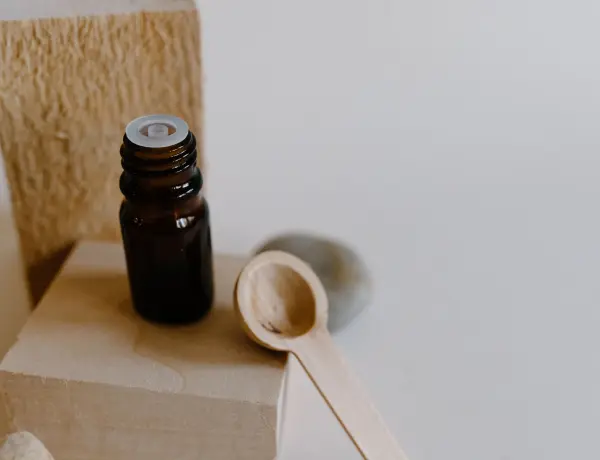
Aromatherapy guidance splits into two schools: conservative risk-first guidance and modern evidence-based practice. When it comes to obstetrics care, human clinical research on essential oils is scarce—no single oil can ever be labeled 100% risk-free. Any safety call hinges on how far along you are, how you use the oil, and your unique body chemistry. The first trimester carries the highest risk for fetal development.
1. Key Active Ingredients & Core Risk Breakdown
Main compounds in geranium oil
Citronellol, geraniol, linalool, menthol, isomenthol
Potential risks to watch for
Menthol & Isomenthol (the biggest point of debate)
Lab tests on animals show extremely high doses of these ketone compounds can trigger smooth muscle contractions—including the muscles of the uterus. In theory, this could spark early labor. That said, risk levels depend entirely on how concentrated the oil is, how long you’re exposed, and how it enters your body.
Critical note: The massive doses used in animal trials are nothing like the weak, diluted amounts people use for everyday aromatherapy or skin care. You cannot directly compare lab animal results to real-life human risk.
Geraniol & Citronellol
These two are common skin allergens. Pregnancy ramps up skin sensitivity thanks to shifting hormones, so they can easily trigger rashes, redness, and itchy skin. There’s no solid proof mild, diluted topical use lets these chemicals cross the placenta and harm a fetus. Even so, long-term human safety data is still very limited.
2. Pregnancy Safety Timeline
Weeks 0–12: First Trimester (Early Pregnancy)
General medical advice: Skip geranium oil entirely if you can (the conservative, low-risk approach doctors recommend). Why this rule? This window is when your embryo implants and all major organs start forming. Even small theoretical risks are avoided under standard medical “better safe than sorry” protocols.
Strictly off-limits for anyone with a history of miscarriage, vaginal bleeding, abdominal cramping, low-lying placenta, or repeated pregnancy loss—no form of use allowed at all.If you’ve never had a miscarriage and have a healthy pregnancy: Don’t intentionally use geranium oil yourself. If you accidentally catch a few minutes of someone else’s diffuser mist, there’s no need to panic—just don’t start using it regularly on purpose.
Weeks 13–36: Second & Third Trimester
Rule of thumb: If you do use essential oils, proceed with extreme caution—geranium isn’t automatically safe, and you must stick to strict usage limits. You may only consider diluted geranium oil if every single one of these applies to you:
Your pregnancy is fully stable, no contractions, spotting, or past preterm labor scaresYou only use it topically (properly diluted) or diffuse it for short bursts
Never add geranium oil to bath water; skip belly massages and large-area, long-lasting skin applications
Pure undiluted oil can never touch your skin, and you must never swallow essential oils of any kind during pregnancy
Week 37 & Beyond (Late Third Trimester)
Some certified aromatherapists use tiny diluted amounts to ease swollen legs, but you should never use geranium oil with the goal of inducing labor. Online rumors claiming it triggers childbirth are unproven—don’t rely on them.
Breastfeeding Phase
Very weak diluted topical use is generally accepted, but steer clear of putting it on your nipples or areola.
Important warning: Don’t run a diffuser nonstop around newborns. Their respiratory systems are extremely delicate, and geraniol can irritate their airways.
3. Risk Level by Usage Method (From Highest to Lowest Danger)
Swallowing oil: Never allowed at any point during pregnancy
Bath oil soaks (dropping essential oils straight into warm bath water): High risk due to full-body skin absorption; pregnant people should avoid this entirely
Undiluted pure oil or heavily concentrated blends on skin: Forbidden
Full-body massages or application on your lower belly/lower back: Off-limits—avoids stimulating the uterine area
Running a diffuser nonstop for over an hour in a closed room: Use only sparingly
Properly diluted small-area skin use (e.g., calves, forearms) or short, intermittent diffuser sessions (the safest option if you choose to use it)
Standard Dilution Rules for Pregnant People (Minimum Safe Limit)
The regular adult dilution rate is 2%, but pregnant folks must cap it at 1% max. Quick example: Mix no more than 2 drops of geranium oil into 10ml of carrier oil (sweet almond or jojoba oil work best).
4. Two Competing Aromatherapy Viewpoints (Balanced Breakdown)
Viewpoint 1: Conservative Guidance (Midwife & OB-GYN Standard, Widely Used in Western Women’s Health Clinics)
Cut geranium oil out completely for all weeks 0–36 of pregnancy. The reasoning: Its ketone components carry a theoretical risk of uterine stimulation, and we don’t have enough long-term human safety research to eliminate doubt. There’s zero reason to take unnecessary chances while pregnant. Plenty of gentler oil alternatives (sweet orange, mandarin, Roman chamomile) lift mood and soothe skin just as well, so geranium oil is totally replaceable.
Best for product descriptions, customer service responses, and general advice for most pregnant shoppers—prioritize this take to prevent confusion or complaints.
Viewpoint 2: Modern Evidence-Based Aromatherapy (Certified Professional Aromatherapist Perspective)
Healthy, stable mid-to-late pregnancies may permit tiny, limited geranium oil use with professional oversight. The reasoning: When diluted and used topically as directed, only trace amounts of its chemicals enter your bloodstream. The extremely high concentrations needed to trigger contractions are impossible to hit with normal at-home use. Almost all safety incidents stem from overuse or improper application. Non-negotiable prerequisite: You need a one-on-one health assessment from a trained expert. Pregnant people should never self-prescribe geranium oil at home without guidance.
Only for private aromatherapy consultation sessions; not appropriate for public marketing or general recommendations.
5. Groups Who Should Skip Geranium Oil At All Stages of Pregnancy
Past miscarriage, repeated pregnancy loss, uterine bleeding, low-lying placentaHistory of preterm delivery, weak cervix
Preeclampsia / high blood pressure from pregnancy, unstable pregnancy complicationsChronic sensitive skin, eczema, asthma, or pollen/spice allergies .Frequent uterine tightening, persistent hardening or cramping of the abdomen
6. Popular Geranium Oil Myths Debunked
Myth: Geranium oil can kickstart labor
Fact: No credible clinical studies back this claim. Trying large doses could expose you to unknown risks. Clary sage is the oil people commonly discuss for labor prep—these two are often mistakenly mixed up.
Myth: All natural essential oils are gentle and harmless
Fact: “Natural” doesn’t automatically mean safe. Dilution strength and how you apply the oil make all the difference. Pregnancy hormone shifts drastically lower your skin and bodily tolerance to plant compounds.
Myth: A few minutes of diffuser mist is fine, so running it all day long is safe too
Fact: Constant inhalation lets oil chemicals build up inside your body. Stick to 20–30 minute diffuser sessions at a time, and crack windows open for airflow between uses.
Myth: Rose geranium is a safer variant
Fact: Rose geranium and Bourbon geranium have nearly identical chemical makeup and identical safety profiles. No single geranium type is specially formulated to be safe for pregnant people.
Which Essential Oils Are Safe to Use While Pregnant?
Based on current medical and aromatherapy research, the oils deemed low-risk for pregnancy have solid research proving they ease common pregnancy discomforts without major hazards. Below is a breakdown of the gentlest options and their main benefits:
Lavender
Eases stress, improves sleep, and dulls pain plus morning sickness. Multiple studies confirm it calms labor anxiety and cuts pregnancy nausea and vomiting; it also helps pregnant people sleep better during hospital stays.
Neroli (Orange Blossom Oil)
Lifts low mood and relieves prenatal anxiety. A 2025 comprehensive research review found it drastically reduces pregnancy-related stress. Clinical trials also show it boosts emotional resilience and effectively eases nausea.
Citrus Oils (Sweet Orange, Lemon, Grapefruit)
Calm anxious feelings and soothe queasy stomachs. IFA guidelines note these oils cut morning sickness and aid digestion while offering gentle mood support.
Roman Chamomile
Encourages restful sleep and eases anxiety. It’s a top pick for pregnancy insomnia and stress, though some experts advise avoiding it for the first four months of pregnancy.
Oils Used For Specific Stages of Childbirth & Postpartum
For Labor Pain Relief
Some aromatherapists use essential oils as supplementary comfort tools during delivery. A 2011 Cochrane review analyzed 513 birthing people using Roman chamomile, clary sage, frankincense, lavender, or citrus oils during labor. Researchers concluded we still don’t have enough hard proof these oils reliably ease labor pain.
For Postpartum Recovery
Studies show peppermint oil inhalation can help resolve postpartum urinary retention issues.
Non-Negotiable Safety Rules for Essential Oils During Pregnancy
Prioritize caution in early pregnancy: Most experts advise skipping all massage/topical oil use for the first 14–15 weeks. If you want aromatherapy this early, only use a diffuser or aroma paper for light inhalation. Always check with your OB or certified aromatherapist before trying any oil.Inhale, don’t swallow: Diffusers and scent strips are the mildest choice for pregnant people. Swallowing essential oils is completely off-limits while pregnant or breastfeeding.Start ultra-diluted: Begin with the smallest amount possible to test your body’s reaction. Try just 1 drop first, and slowly work up to 3–5 drops if you feel fine. For skin massage, stick to a maximum 1% dilution (1 drop oil mixed with 5ml carrier oil).Watch for bodily cues: Pregnancy heightens your sense of smell—even mild fragrances might trigger nausea or headaches. Stop use right away if you feel unwell.
Essential Oils to Fully Avoid During Pregnancy
These oils can disrupt hormone balance or stimulate uterine contractions, so cross them off your list entirely: Basil, cedarwood, clary sage, cypress, geranium, jasmine, juniper, marjoram, myrrh, nutmeg, mint, rosemary, thyme
Quick Recap
Lavender, neroli, and citrus oils (sweet orange, lemon) are the most well-researched safe picks for prenatal stress, sleep trouble, and morning sickness. No matter which oil you choose, always stick to low dilution rates, take extra care in the first trimester, and consult a medical professional before use.
How to Use Geranium Essential Oil Safely (Non-Pregnancy Guidance)

Two Non-Negotiable Ground Rules
Avoid fully during pregnancy: Multiple clinical resources warn geranium oil alters hormone balance, making it unsuitable for pregnant people—especially early on.Always dilute before skin contact: Essential oils are highly concentrated. Never apply pure geranium oil straight to bare skin; mix it with carrier oil, unscented lotion, or gentle facial cleanser first.
Safe At-Home Usage Methods & Dilution Recipes
Facial Skin Care & Massage
Daily cleansing blend: Mix 1 drop geranium oil into 5ml facial cleanser for deep cleaning. Clinical anti-aging trials also use 1% diluted geranium oil mixed into gel bases for facial application.Critical pre-step: Geranium oil irritates sensitive skin. Do a patch test every time before using on your face or large body areas. Dab a tiny diluted amount on your inner forearm or behind your ear, then wait 24 hours. If you see redness, itchiness, or swelling, skip use entirely.
Full-Body Massage Oil
For massage base oil, mix 1 drop geranium oil into 10ml carrier oil; you can blend small amounts of chamomile or lavender oil alongside it for extra calming effects.
Diffuser Aromatherapy
Diffusers and aroma stones offer a gentle way to enjoy geranium’s scent and ease stress.
Custom calming blend: 8 drops bergamot + 8 drops geranium + 4 drops neroli, added to your diffuser for relaxation.Simple single-oil option: Add 3–5 drops of geranium oil to your diffuser based on your scent preference.
Important Side Note on Citronella Geranium Oil
Citronella geranium extract is approved as a minor food additive at industrial concentrations of 1–10mg/kg in finished flavored foods. This is strictly a commercial manufacturing standard—never drink or ingest geranium oil at home under any circumstances.
Final Takeaway for Safe Geranium Use
Dilute thoroughly, always patch test, and eliminate use while pregnant. For personalized health-specific guidance, schedule a consultation with a certified professional aromatherapist.
What To Do If You Have an Adverse Reaction to Geranium Oil (While Pregnant)
If you feel unwell after using geranium oil during pregnancy, stay calm—fast, proper action minimizes risk. Follow these step-by-step instructions:
Step 1: Stop Use Immediately & Wash Off Residue
If you notice itchy skin, rashes, dizziness, nausea, or any other strange symptoms:
Quit using every skincare, massage, or scented product containing geranium oil right away.If oil touched your skin, wash the affected area thoroughly with gentle soap and lots of lukewarm water to stop further absorption.
Step 2: Check Symptom Severity
Mild skin irritation (small rash, local itch): Most cosmetic reactions fade quickly after stopping use and washing. Apply a cool damp cloth to soothe discomfort.Severe whole-body reactions (widespread hives, trouble breathing, racing heart, abdominal cramping): This is a medical emergency—symptoms that don’t ease or grow worse need urgent care.
Step 3: See a Doctor Right Away & Bring Your Oil Product
If symptoms linger or worsen, head to your hospital’s OB/GYN or dermatology clinic immediately. Bring the geranium oil product you used so providers can identify the allergen and tailor treatment. Clearly share how many weeks pregnant you are and exactly which oil you used.
Why Pregnant People Need Extra Caution With Essential Oils
Pregnancy shifts your entire hormone profile and bodily function. Major medical organizations flag two key concerns:
There’s very little long-term research tracking how essential oils affect pregnant bodies and developing fetuses. Oil compounds absorb through your skin or lungs and enter your bloodstream.Many oil ingredients interact with hormone levels. While we don’t have definitive proof tiny skin doses cause fetal defects, doctors universally recommend avoidance as a precautionary measure.
Core Rule for Any Discomfort
Stop use, wash thoroughly, and seek medical help based on how severe your symptoms feel. Your health and your baby’s safety come first—when in doubt, always reach out to a healthcare provider.
Can I Mix Geranium Oil Into Body Wash or Face Cream?
Essential oils do not dissolve in plain water. Most drugstore body washes and moisturizers are oil-water emulsions; dumping undiluted geranium oil straight in creates separation and raises skin irritation risk. Special stricter rules apply to anyone pregnant.
Quick Verdict
Healthy non-pregnant adults can mix small amounts following proper dilution rules. Pregnant people should avoid adding geranium oil to skincare wash products entirely in the first trimester.
Guidelines for Non-Pregnant Adults
Adding Geranium Oil to Face Cream & Moisturizer
Max safe dilution for 100g of cream base: 4–5 drops geranium oil (roughly 0.5% strength). Don’t go higher! Geranium oil contains linalool and citronellol, two common skin irritants. Long-term facial use often triggers redness and sensitivity, especially during hormonal shifts.
Pro tip: Mix single-use portions only—don’t blend an entire bottle of cream at once. Squeeze a dollop into your palm, stir in a tiny drop of oil, then apply.Sensitive skin limit: No more than 1 drop per 10g cream.Hard no’s: Skip mixing into high-acid serums, retinol creams, or highly active exfoliating formulas—these drastically increase irritation risk. Keep oil mixture away from eye and lip areas.
Adding Geranium Oil to Body Wash
Two main body wash formulas carry different mixing rules:
Gentle amino acid-based wash: Safe for tiny oil additions Harsh soap-based cleansing wash: Avoid mixing geranium oil entirely—irritation risk doubles Dilution guide for 100ml body wash: No more than 3–4 drops total.
Critical note: Body wash contains water, so oil will float to the top after sitting. Instead of mixing an entire bottle ahead of time, squeeze wash onto your bath sponge, add 1 drop geranium oil, lather up, and rinse right away.
Strict Rules for Pregnant People
Weeks 0–12 (First Trimester): Do not add geranium oil to any face or body wash products at all. Even ultra-low doses carry unnecessary risk per medical precaution standards.Weeks 13+: Only test mixed geranium oil if your pregnancy is fully stable—no history of miscarriage, frequent contractions, or abnormal placenta placement.100g face cream limit: Max 2 drops geranium oil100ml body wash limit: Max 2 drops geranium oil
Usage restrictions: Only apply to arms and legs; skip belly, lower back, and full-face use. Avoid daily application—use sporadically. Skip oil baths with hot water (heat speeds skin absorption and raises risk).High-risk pregnancies (miscarriage history, preterm labor risk, preeclampsia): Do not mix geranium oil into skincare products for your entire pregnancy.
Universal Safety Warnings For Everyone
Don’t store homemade oil mixtures long-term DIY blends lack preservatives, emulsifiers, and stabilizers. Geranium oil oxidizes quickly and creates irritating byproducts. Use mixtures within 7 days, or mix single portions fresh every time. Commercial pre-made skincare undergoes sterile lab emulsification and is not comparable to homemade batches.Always complete a patch test first Mix a tiny sample, dab on your inner elbow, and wait 24 hours. If no itchiness or redness appears, you can safely use the blend.Avoid pairing with photosensitive oils Geranium oil itself won’t increase sun sensitivity, but mixing it with lemon or bergamot oil can lead to facial redness and sunburn when exposed to daylight.Never drip pure undiluted geranium oil straight into full bottles of skincare Uneven concentration leaves high-strength oil pockets that can cause chemical burns and severe allergic reactions when touched directly by skin.
Common Misconceptions Cleared Up
Myth: Diluting oil in water-based body wash makes it extremely safe
Fact: Hot bath water opens your skin pores, and full-body contact creates massive absorption surface area. Pregnant people should never soak in essential oil baths for extended periods.
Myth: A tiny drop in face cream balances hormonal acne safely during pregnancy
Fact: Pregnancy weakens your skin barrier and makes you far more sensitive to linalool irritation. Opt for milder alternatives like chamomile oil instead.
Can I Use Geranium Essential Oil While Breastfeeding?

The mainstream, low-risk medical advice for breastfeeding parents is to avoid geranium oil entirely, or consult a certified aromatherapist and your pediatrician before even considering use. Current research hasn’t fully ruled out all potential hazards for nursing infants, and while studies focusing solely on geranium oil during lactation are limited, leading medical authorities share key safety warnings:
Why Experts Discourage Geranium Oil Use While Breastfeeding
Limited long-term safety data The U.S. National Library of Medicine’s Lact
Med database reviews similar plant oils and notes that while small food-grade doses are safe, we lack reliable research on concentrated essential oils for breastfeeding parents and newborns. Top specialists at Peking Union Medical College Hospital also advise avoiding geranium oil during pregnancy, with equally cautious guidance for lactation.Oil compounds can transfer into breast milk When you inhale or absorb essential oils through your skin, their volatile chemicals enter your bloodstream and can pass into breast milk.
Research tracking dietary plant compounds confirms these substances transfer to breastmilk, meaning essential oil ingredients may reach your baby through feeding.Unknown hormonal impacts on developing infants Lact
Med’s lavender oil analysis flags estrogen-like activity that may disrupt infant hormone development, warning against topical oil use near breast tissue. While geranium oil has a different chemical makeup, this warning highlights a shared risk across all concentrated essential oils.
Babies’ organs are still maturing, so any unstudied hormonal exposure risk must be taken seriously.Global aromatherapy organization consensus The International Federation of Aromatherapists (IFA) groups breastfeeding parents under populations requiring professional aromatherapist oversight before oil use. The Mayo Clinic also bans oral essential oil intake for pregnant and nursing people, and recommends full medical consultation before any topical or inhaled use.
If Your Medical Team Approves Limited Use: Strict Rules You Must Follow
If your OB, pediatrician, or certified aromatherapist clears you to use geranium oil, adhere to every single one of these strict safety limits:
No swallowing oil of any kind—oral essential oil use is never safe while pregnant or breastfeeding.Stick only to ultra-low-concentration diffuser inhalation. Keep rooms well ventilated to avoid mass skin absorption that sends large amounts of oil compounds into your blood.
Skip all topical skin application, especially on chest and breast tissue. This prevents direct baby contact and limits hormone-interfering compounds transferring into breast milk.Start with the absolute smallest dose (1 drop only). Watch for restlessness, fussiness, or digestive upset in your baby, and monitor for your own dizziness or nausea. Stop use instantly if any negative signs appear.
