Dehydrated Onion

Dehydrated Onion

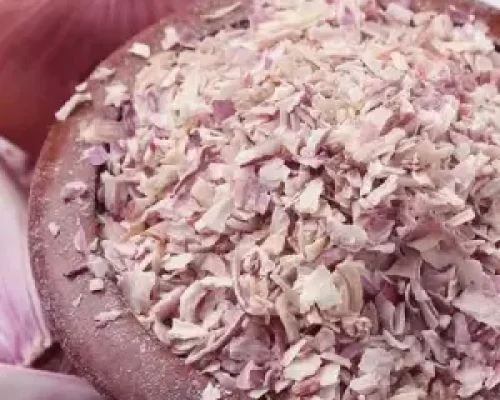
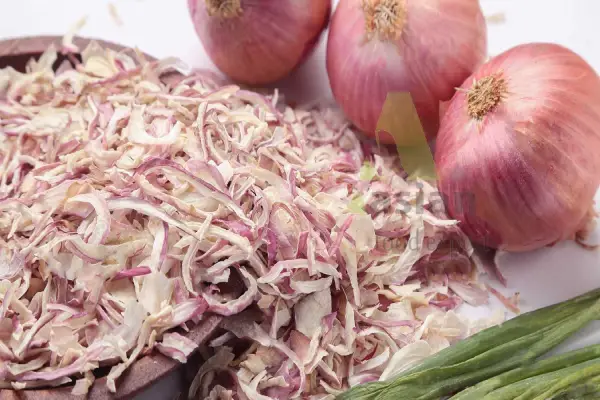
Dehydrated onion is fresh onion that has been dehydrated for easier storage and use. It has a wide range of uses, including as a seasoning, ready-to-eat food, and processed material.Please be sure to contact us at info@wingengroup.com and we will respond to you within 12 hours.

Main Assay:Dehydrated Onion

Specification available:100%

CAS No.:N/A

MOQ:1 Ton

Quality Control

All goods we carry are manufactured with the best quality,leading the quality of life and fashion trends.

Dehydrated Onion

Dehydrated onion is fresh onion that has been dehydrated for easier storage and use. It has a wide range of uses, including as a seasoning, ready-to-eat food, and processed material.Please be sure to contact us at info@wingengroup.com and we will respond to you within 12 hours.

Main Assay:

Specification available:

CAS No.:

MOQ:

Dehydrated Onion

100%

N/A

1 Ton

Quality Control

All goods we carry are manufactured with the best quality,leading the quality of life and fashion trends.

Description

Dehydrated Onion is a processed form of onion where the moisture content is removed, leaving behind a lightweight, shelf-stable product that retains the flavor, aroma, and nutritional properties of fresh onions. It is a convenient and versatile ingredient widely used in food preparation and manufacturing.

Key Features of Dehydrated Onion

Moisture Removal:

The water content is removed through drying methods such as hot air drying, freeze-drying, or sun drying, resulting in a product with a significantly reduced weight and volume.


Forms Available:

Dehydrated onions come in various forms, including:

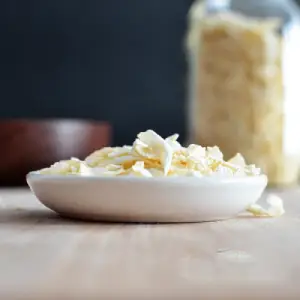
Flakes: Thin, flat pieces of onion.
Chopped: Small, diced pieces.
Powder: Finely ground onion.
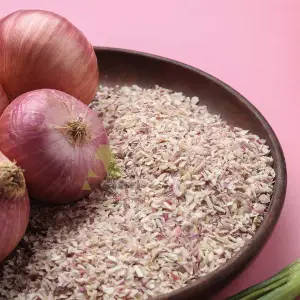
Granules: Small, coarse particles.
Minced: Finely cut pieces.
Flavor Retention:


The dehydration process preserves the natural flavor and aroma of onions, making it a great alternative to fresh onions in many recipes.


Long Shelf Life:

Due to the removal of moisture, dehydrated onions have a much longer shelf life compared to fresh onions, making them ideal for storage and transportation.


Convenience:

Dehydrated onions are ready to use, eliminating the need for peeling, chopping, or cleaning fresh onions. They can be rehydrated or used directly in cooking.

Uses of Dehydrated Onion

Dehydrated onion is versatile and widely used in various culinary and food processing applications. Some common uses include:


1. Seasoning and Spices

It’s often used in spice blends, sauces, and marinades for added flavor without the need for fresh onions.


2. Soups and Stews

A convenient addition to soups, stews, and broths for a rich onion flavor.


3. Snack Foods

Used in chips, dips, and seasoning for snacks like popcorn or crackers.


4. Ready-to-Eat Meals

Often found in instant noodles, frozen meals, or other convenience foods.


5. Baking

It can be incorporated into savory baked goods like bread, crackers, and biscuits.


6. Condiments

Used in ketchup, mustard, or salad dressings for enhanced flavor.

Why Choose Dehydrated Onion?

Choosing Dehydrated onion offers several advantages:


1. Long Shelf Life

It can be stored for months or even years without spoiling, making it ideal for bulk storage and reducing waste.


2. Convenience

It’s easy to use without the need for peeling, chopping, or refrigeration, saving time in food preparation.


3. Consistent Flavor

Dehydrated onion provides a consistent and concentrated flavor, which is perfect for commercial food production or home cooking.


4. Nutrient Retention

It retains most of the nutrients from fresh onion, such as vitamins and minerals, even after dehydration.


5. Space-Saving

It’s lightweight and compact, making it easy to store and transport.

Production process of Dehydrated onion

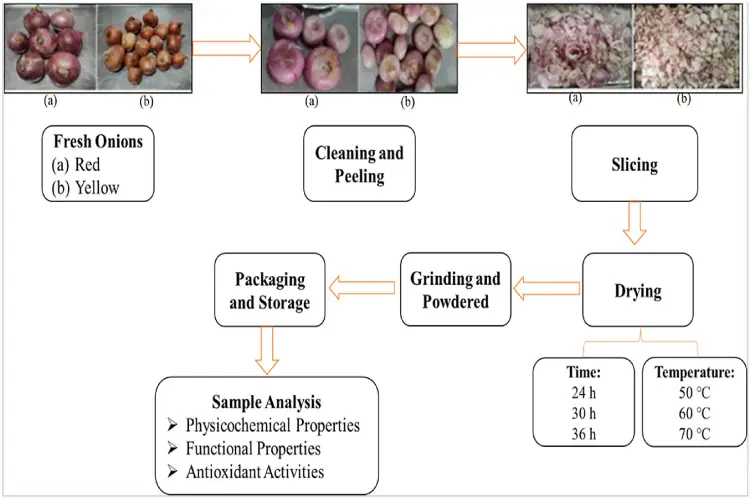
The production process of dehydrated onion typically involves the following steps:


1. Selection and Cleaning: Fresh onions are carefully selected and cleaned to remove dirt, skins, and any damaged parts.


2. Peeling and Slicing: The onions are peeled, then sliced or chopped into desired sizes, such as flakes, rings, or powder.


3. Blanching (Optional): Some producers blanch the onion by briefly dipping it in boiling water, which helps preserve color and flavor and reduce microbial contamination.


4. Drying: The sliced onions are then dried using methods such as:


Air Drying: Using warm, dry air to remove moisture.
Freeze Drying: Freezing the onions and then removing the moisture through sublimation.
Hot Air Drying: Using heated air to speed up the drying process.

5. Grinding or Cutting: Once dried, the onion can be ground into powder or kept in flakes or granules, depending on the intended use.


6. Packaging: The dehydrated onion is packaged in moisture-proof containers to maintain its freshness and shelf life.

Specification

Color:White to light yellow
Flavor/ AromaTypical of white onion, free of other smell
AppreanceFlakiness
Moisture!ERROR! B4 -> Formula Error: Unexpected operator '<'
Ash!ERROR! B5 -> Formula Error: Unexpected operator '<'
Foreign MaterialNone
Defects!ERROR! B7 -> Formula Error: Unexpected operator '<'
Aerobic Plate Count!ERROR! B8 -> Formula Error: Unexpected operator '<'
Mould and Yeast!ERROR! B9 -> Formula Error: Unexpected operator '<'
E.ColiNegative
SalmonellaNone Detected
ListeriaNone Detected

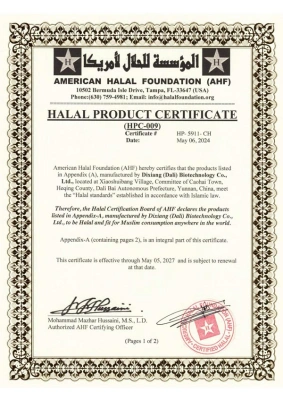
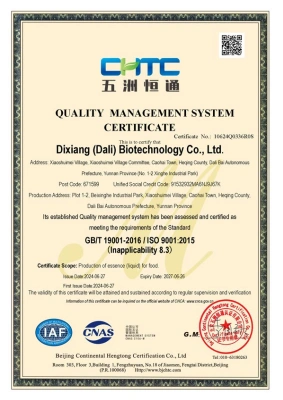
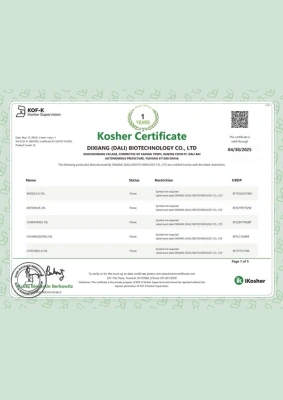
Certification

Precautions

When factories use dehydrated onion, there are a few important precautions to ensure quality and safety:

1. Proper Storage

Store dehydrated onion in a cool, dry place, away from direct sunlight and moisture to prevent spoilage or clumping.

2. Hygiene Standards

Maintain strict cleanliness during handling to avoid contamination, as onions are prone to bacteria growth if improperly stored.

3. Moisture Control

Ensure proper sealing of storage containers to prevent moisture absorption, which could lead to mold or spoilage.

4. Quality Control

Regularly check the quality of the dehydrated onion, including flavor, texture, and color, to ensure consistency in the final product.

5. Rehydration Process

If rehydrating the onion, follow the correct ratio of water to prevent over-soaking, which can affect texture and flavor.

6. Allergen Awareness

Onions can sometimes cause allergic reactions in sensitive individuals, so proper labeling and precautions are important.

These measures help maintain the quality and safety of dehydrated onion in food manufacturing.

Related Products

Contact Us

+86-21-58930128
          info@wingengroup.com
+86-21-39652034
+86-17717633275

Address

Room 207, Building 3, No. 2216 Jingao Road, Pudong New Area, Shanghai, China

Description

Dehydrated Onion is a processed form of onion where the moisture content is removed, leaving behind a lightweight, shelf-stable product that retains the flavor, aroma, and nutritional properties of fresh onions. It is a convenient and versatile ingredient widely used in food preparation and manufacturing.

Key Features of Dehydrated Onion


Moisture Removal:

The water content is removed through drying methods such as hot air drying, freeze-drying, or sun drying, resulting in a product with a significantly reduced weight and volume.

Forms Available:

Dehydrated onions come in various forms, including:

Flakes: Thin, flat pieces of onion.
Chopped: Small, diced pieces.
Powder: Finely ground onion.
Granules: Small, coarse particles.
Minced: Finely cut pieces.
Flavor Retention:

The dehydration process preserves the natural flavor and aroma of onions, making it a great alternative to fresh onions in many recipes.

Long Shelf Life:

Due to the removal of moisture, dehydrated onions have a much longer shelf life compared to fresh onions, making them ideal for storage and transportation.

Convenience:

Dehydrated onions are ready to use, eliminating the need for peeling, chopping, or cleaning fresh onions. They can be rehydrated or used directly in cooking.

Uses of Dehydrated Onion


Dehydrated onion is versatile and widely used in various culinary and food processing applications. Some common uses include:

1. Seasoning and Spices

It’s often used in spice blends, sauces, and marinades for added flavor without the need for fresh onions.

2. Soups and Stews

A convenient addition to soups, stews, and broths for a rich onion flavor.

3. Snack Foods

Used in chips, dips, and seasoning for snacks like popcorn or crackers.

4. Ready-to-Eat Meals

Often found in instant noodles, frozen meals, or other convenience foods.

5. Baking

It can be incorporated into savory baked goods like bread, crackers, and biscuits.

6. Condiments

Used in ketchup, mustard, or salad dressings for enhanced flavor.

Why Choose Dehydrated Onion?


Choosing Dehydrated onion offers several advantages:

1. Long Shelf Life

It can be stored for months or even years without spoiling, making it ideal for bulk storage and reducing waste.

2. Convenience

It’s easy to use without the need for peeling, chopping, or refrigeration, saving time in food preparation.

3. Consistent Flavor

Dehydrated onion provides a consistent and concentrated flavor, which is perfect for commercial food production or home cooking.

4. Nutrient Retention

It retains most of the nutrients from fresh onion, such as vitamins and minerals, even after dehydration.

5. Space-Saving

It’s lightweight and compact, making it easy to store and transport.

Production process of Dehydrated onion

Production process of Dehydrated onion


The production process of dehydrated onion typically involves the following steps:

1. Selection and Cleaning: Fresh onions are carefully selected and cleaned to remove dirt, skins, and any damaged parts.

2. Peeling and Slicing: The onions are peeled, then sliced or chopped into desired sizes, such as flakes, rings, or powder.

3. Blanching (Optional): Some producers blanch the onion by briefly dipping it in boiling water, which helps preserve color and flavor and reduce microbial contamination.

4. Drying: The sliced onions are then dried using methods such as:

Air Drying: Using warm, dry air to remove moisture.
Freeze Drying: Freezing the onions and then removing the moisture through sublimation.
Hot Air Drying: Using heated air to speed up the drying process.
5. Grinding or Cutting: Once dried, the onion can be ground into powder or kept in flakes or granules, depending on the intended use.

6. Packaging: The dehydrated onion is packaged in moisture-proof containers to maintain its freshness and shelf life.
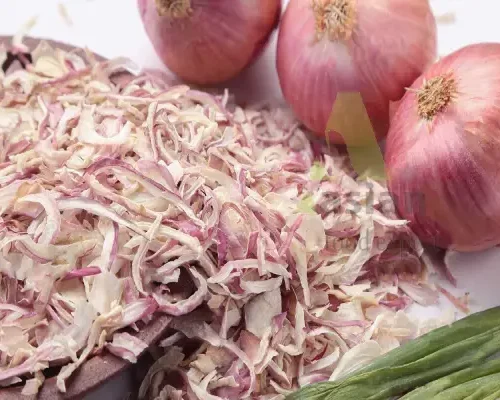
Specification

Color:White to light yellow
Flavor/ AromaTypical of white onion, free of other smell
AppreanceFlakiness
Moisture!ERROR! B4 -> Formula Error: Unexpected operator '<'
Ash!ERROR! B5 -> Formula Error: Unexpected operator '<'
Foreign MaterialNone
Defects!ERROR! B7 -> Formula Error: Unexpected operator '<'
Aerobic Plate Count!ERROR! B8 -> Formula Error: Unexpected operator '<'
Mould and Yeast!ERROR! B9 -> Formula Error: Unexpected operator '<'
E.ColiNegative
SalmonellaNone Detected
ListeriaNone Detected

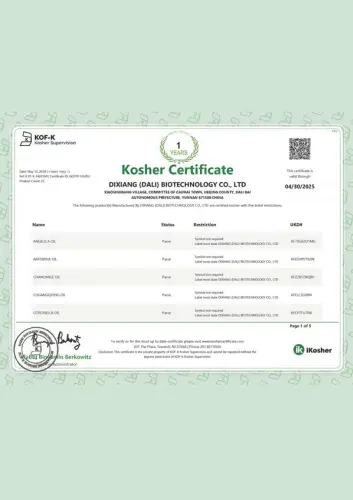
Certification

Precautions

When factories use dehydrated onion, there are a few important precautions to ensure quality and safety:

1. Proper Storage

Store dehydrated onion in a cool, dry place, away from direct sunlight and moisture to prevent spoilage or clumping.

2. Hygiene Standards

Maintain strict cleanliness during handling to avoid contamination, as onions are prone to bacteria growth if improperly stored.

3. Moisture Control

Ensure proper sealing of storage containers to prevent moisture absorption, which could lead to mold or spoilage.
4. Quality Control

Regularly check the quality of the dehydrated onion, including flavor, texture, and color, to ensure consistency in the final product.

5. Rehydration Process

If rehydrating the onion, follow the correct ratio of water to prevent over-soaking, which can affect texture and flavor.

6. Allergen Awareness

Onions can sometimes cause allergic reactions in sensitive individuals, so proper labeling and precautions are important.

These measures help maintain the quality and safety of dehydrated onion in food manufacturing.

Related Products

滚动至顶部

Leave your details below, and Get a Free Quote